

Background and Core Reasons
Punjab, often dubbed the 'Granary of India,' has its entire economy and social fabric deeply rooted in its agricultural sector. However, the livelihoods of farmers are constantly threatened by natural calamities, unpredictable climate change patterns, and crop-damaging events. In such scenarios, when large-scale damage occurs in fields, expectations rise for immediate and substantial financial aid from the government. Against this backdrop, a major announcement has emerged, creating considerable buzz within the agricultural community. This declaration appears poised to solidify the aspirations of the farming populace.
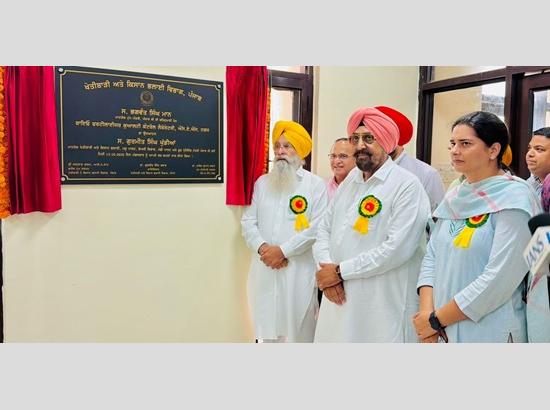
This news, reported by prominent sources like Punjabi Jagran, indicates that Harpal Cheema has addressed the matter. The announcement is linked to compensation for crop damage and carries an estimated figure of a substantial ₹750 crore. For the farming community, this is not merely an accounting number; it symbolizes governmental recognition of their hard work and a promise of future security. This declaration has become a topic of intense discussion across all strata—from local governance to political circles—regarding how this compensation will be implemented and which specific damages it covers.
Ground Reality and Key Details
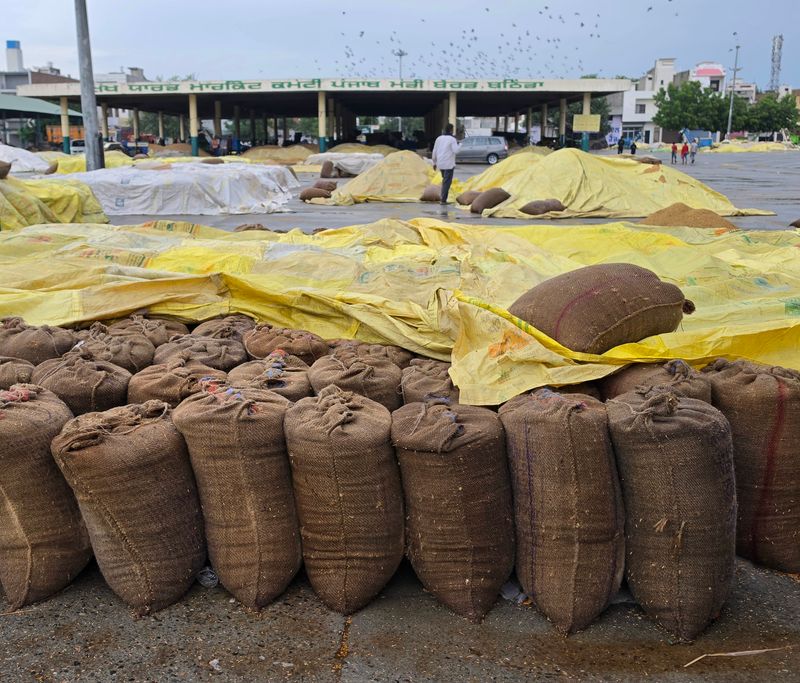
When examining the figure of '₹750 crore' through the lens of Punjab’s agricultural sector, careful interpretation is crucial. This amount represents potential relief intended to cover losses incurred due to a specific climatic event (such as unseasonal rains, fog, or pest infestations). When discussing agricultural compensation, not just the monetary value matters, but also the mechanism. Will this fund cover all regions, or will it be targeted towards specific crops? These are vital questions circulating around the announcement.
A comprehensive agricultural study suggests that merely an announcement is insufficient to paint a complete picture of farmer losses; it must be accompanied by ground-level verification. If the damage stems from massive, widespread devastation, then a transparent process is mandatory—teams on site for assessment, accurate damage quantification, and subsequent disbursement. The announced figure serves as a sign of major relief, but detailed information on its ground implementation remains necessary.
Impact on Punjab's Districts and General Public
This announcement could prove to be a significant boon for farming families across every corner of Punjab. In areas where crop loss is common, this compensation can alleviate their immediate economic burden. Since a large portion of the agricultural sector's income depends on these crops, ₹750 crore could act as crucial capital infusion. This support can help farmers prepare for the next sowing cycle or strengthen non-farm income sources for their families.
However, its impact will not be uniform across all districts. Regions experiencing less severe damage, or those that have already received governmental aid, will require different levels of response and necessity. For students and urban citizens too, this has an underlying principle: the stability of the agricultural sector is what keeps Punjab's economy healthy. When farmers maintain a positive morale, collective development accelerates. Therefore, this support is not just money; it is psycho-economic scaffolding.
Government Statements and Administrative Action
Whenever such large announcements are made, they must be accompanied by clear policy clarifications from the government level. Following Harpal Cheema's statements, the government will need to outline a clear path of action. Administratively, achieving this announcement requires a transparent mechanism. Farmers need clarity on how their damage will be assessed—whether through physical field surveys or merely based on documentation.
It is imperative that the Punjab Government presents this compensation as part of a cohesive policy framework, rather than just a political gesture. If the loss is attributable to a specific catastrophe (like COVID-19 or major floods), linking it directly to that event would be the proper administrative procedure. We hope the government promptly issues guidelines detailing where and how farmers must submit evidence of their losses. This will build trust and prevent any confusion.
Expert Opinion and Future Analysis
While welcoming the announcement, agricultural economists raise several points for its full validation. According to them, this amount might serve as 'ex-gratia' or initial support, followed by a ground-level verification process. Experts emphasize that creating a sustainable and systematic agricultural policy in the future is far more critical than any single compensation attempt. This must incorporate crop diversification, modern irrigation techniques, and climate-resilient cropping patterns.
According to one economic analyst, ₹750 crore is a substantial figure that, if distributed correctly, can give agriculture another boost. However, this money should not be limited only to 'covering losses'; a portion must also be allocated towards Agri-Innovation and better infrastructure (like storage silos or reliable power supply). This will enable farmers to move beyond the cycle of dependency toward a modern agricultural system. This announcement has the potential to be a turning point, provided it is guided correctly.
Key Takeaways for Citizens and Q&A
Based on this major news, farming families and the general public should keep a few points in mind. The first and most important takeaway is to treat this announcement as preliminary and await official guidelines from the government. One must remain factual and avoid emotional reactions based on local or informal statements.
Question: Will this compensation reach everyone? Answer: It depends entirely on the severity of the loss, the location of the field, and the system established by the government. Farmers should contact their District Magistrate or the Punjab Agriculture Department for accurate information.
Question: How will this money be utilized? Answer: This compensation is generally provided to cover direct causes of loss (like damage to a specific crop), helping farmers earn their livelihood. It must be used in a proper and verifiable manner so that it boosts not only agriculture but also Punjab's overall economic development.


💬 ਪਾਠਕਾਂ ਦੀਆਂ ਟਿੱਪਣੀਆਂ / Reader Comments 0
ਆਪਣੇ ਵਿਚਾਰ ਸਾਂਝੇ ਕਰੋ। ਕੋਈ ਲੌਗਿਨ ਜ਼ਰੂਰੀ ਨਹੀਂ!
ਸਭ ਤੋਂ ਪਹਿਲਾਂ ਆਪਣੀ ਰਾਇ ਦਰਜ ਕਰੋ!
ਬੀ ਰਹਿਓ ਪਹਿਲੇ ਟਿੱਪਣੀਕਾਰ (Be the first to share your thoughts).