
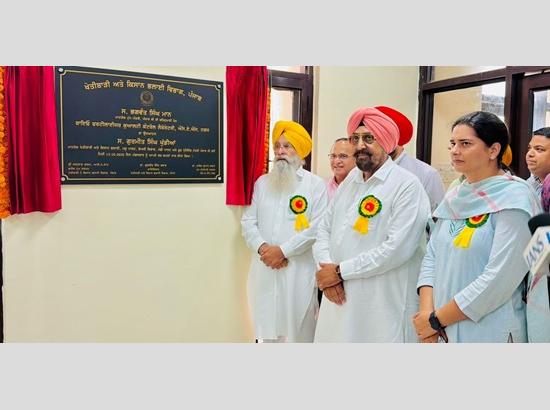
Mohali’s Third Biofertilizer Testing Lab: Towards a Green Revolution for Punjab's Farming
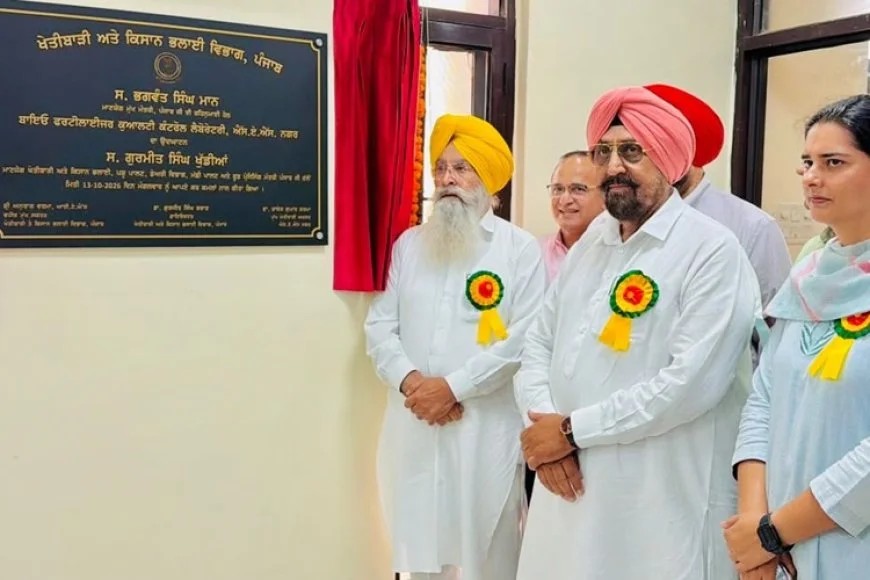
Punjab, renowned globally for its fertile lands and rich agricultural heritage, is perpetually in need of innovation and improvement. In this context, the establishment of the third Biofertilizer Testing Laboratory in Mohali (SAS Nagar) is being hailed as a major and historic step. This facility is not merely another laboratory; it symbolizes a commitment to guiding Punjab's agriculture beyond traditional chemical methods towards an organic and scientific path. Over the following pages, we will explore the background of this establishment, its potential impact on agricultural productivity, and what it truly means for the farming community.
Background and Rationale
Agriculture remains Punjab's largest economic pillar, but it is also facing escalating challenges. The continuous overuse of chemical fertilizers and pesticides has gradually degraded the soil's natural balance, leading to nutrient deficiencies in crops and increased environmental pollution. Faced with this critical situation, agricultural scientists and government officials have been focusing their attention on Organic Farming for some time.
Against this backdrop, setting up a third Biofertilizer Testing Lab in Mohali is a direct response to a clear necessity. This lab will serve as an authentic source confirming which types of 'biofertilizers' are genuinely effective and what their purity levels are. While previous labs built the concept, this third facility is part of a wider strategy aimed at accelerating organic farming adoption across all districts. It is not just about testing; it is about establishing 'trust'.
Ground Reality and Key Details
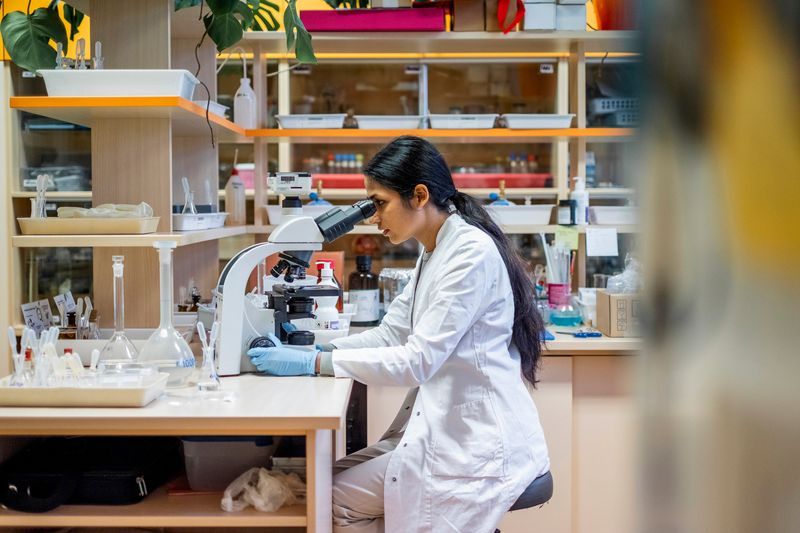
The greatest contribution of this new lab lies in its scientific approach. This facility will not only test currently available fertilizers but will also provide a platform to validate novel biofertilizer formulations. The testing process will systematically examine the count of soil microbes, nutrient decomposition rates, and their interaction with the environment.
The establishment of this lab creates a partnership model where Research & Development (R&D) itself dictates the next generation of farming practices. It proves that the government is building an entirely traceable and scientifically grounded system in the name of the farmer, one centered on restoring Soil Biodiversity. At the local level, this means farmers can now obtain a certified government test report before applying any fertilizer—which not only saves money but also safeguards the environment.
Impact on Punjab's Districts and Public
Such scientific improvements resonate across all of Punjab, especially in regions heavily reliant on chemical inputs. For the farming community, this change is a massive reassurance. Previously, many farmers were disappointed with fertilizers that were expensive and often substandard. Now, the presence of this lab ensures a 'Green Test'.
Its direct impacts extend to various agricultural commodities—such as organic sugarcane, mustard, and wheat. This not only promises slightly higher yields but also gives Punjab's produce a new edge in the 'Premium Market'. Because this testing lab verifies quality accurately, it can usher in a new wave of global confidence for Punjabi agriculture.
Government Statements and Administrative Action
The statements made by the government on the occasion of this facility's launch have pointed towards adopting a 'Soil-Based' approach to farming. Officially, this step has been presented by the Punjab Agriculture Department as an 'Environmental Sustainability Initiative'. This is not just a technical update; it represents a major policy shift in the government—a pivot from chemicals toward organic methods.
The implication of this administrative action is that the Agriculture Department will no longer be limited to distributing subsidies or seeds, but will work by integrating the entire life cycle of agriculture with technology and science. The launch of this lab in Mohali functions as a 'Pilot Project,' after which other districts across Punjab will be encouraged to adopt this model. This information tells us that the government's focus has shifted from mere 'Yield' to 'Sustainability'.
Expert Opinion and Future Analysis
Agricultural economists view this step as a positive sign for Punjab. Agricultural economists who have analyzed the 'Biofertilizer Testing' process suggest that this is not just a lab, but an initiative moving towards becoming a 'Market Regulator'. If this model is implemented successfully, it will usher in a new era of transparency and trust in agriculture.
Looking ahead, by utilizing the data generated from this lab, the government can correlate which soil texture exists in which area and what the best organic input would be for it. This demonstrates progress towards 'Data-Driven' agricultural management, which can elevate Punjab beyond traditional cropping patterns and establish it as a new 'Green Competitive Entity'. We should expect that these focused efforts will modernize Punjab's agricultural package in a sustainable manner.
Key Takeaways for Citizens
For the general public, especially farming families and youth connected to agriculture, a few points are crucial. The first thing is that this lab should be viewed as a 'complete' system, not an isolated measure. Farmers must keep an eye on official government portals and forthcoming directives from the Agriculture Department.
Key Advice for You:
- Verification: Before using any fertilizer or biofertilizer, try to find a way to get it tested through this lab or authorized government testing centers.
- Awareness: Spread information about this new platform among neighboring farmers and agricultural community leaders.
- Query: Is this only for large farmers? The answer is no; because the government's goal is to cover the entire region. But even small farmers can benefit if they follow official guidance.
In conclusion, this third Biofertilizer Testing Lab is not just a building; it is a new seed of trust for Punjab's agricultural future. Its success rests on the collective effort of Punjab and the systematic implementation at the governmental level, so that together we can build a stable, organic, and prosperous Punjab.
💬 ਪਾਠਕਾਂ ਦੀਆਂ ਟਿੱਪਣੀਆਂ / Reader Comments 0
ਆਪਣੇ ਵਿਚਾਰ ਸਾਂਝੇ ਕਰੋ। ਕੋਈ ਲੌਗਿਨ ਜ਼ਰੂਰੀ ਨਹੀਂ!
ਸਭ ਤੋਂ ਪਹਿਲਾਂ ਆਪਣੀ ਰਾਇ ਦਰਜ ਕਰੋ!
ਬੀ ਰਹਿਓ ਪਹਿਲੇ ਟਿੱਪਣੀਕਾਰ (Be the first to share your thoughts).