
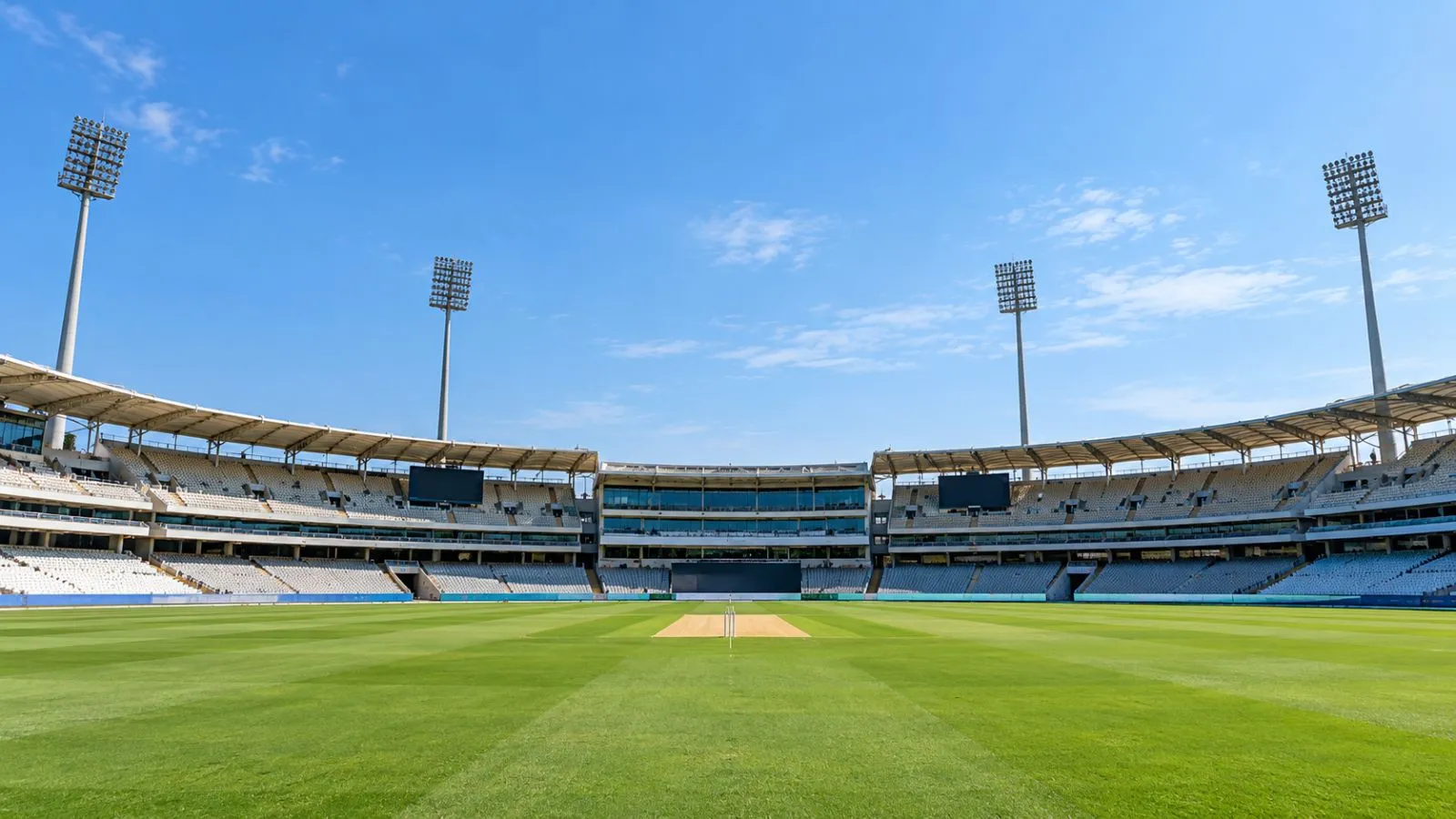
Background and Core Issues
According to local monitoring sources, a major land transaction connected to Punjab's regional sports body has recently brought to light serious political and financial concerns. This case is not merely limited to a property sale; it questions the rules and valuation process for landed assets by large official bodies like the Punjab Cricket Board (PCB). The initiation of an investigation by the Enforcement Directorate (ED) serves as the biggest indication that financial scrutiny is fully operational.
The main focus of the investigation centers on a vast discrepancy in land valuation. On one hand, the transaction value is cited at ₹15 lakhs per acre, which might represent a certain established rate according to market norms. However, the second figure associated with this same deal reaches as high as ₹3 crores per acre. This is not just a minor detail but a massive disparity that challenges the business network of both governmental and private institutions.
This case has become a major question mark for Punjab's economic stability and the transparency of its service-oriented institutions. When a large body connected to culture or sport conducts a land transaction, adhering to legal and economic regulations is paramount. The ED's involvement proves that the government will not let any major financial deal pass, regardless of which sector it belongs to.
Land Reality and Key Details
At the investigation level, the most crucial point is the inconsistent indication of land value. If one side quotes a value of ₹15 lakhs per acre for a property, it might suggest that the investigating officers are referring to a specific type of zoning or general market rate. But when the second figure of ₹3 crores per acre is presented, it takes the situation towards an entirely different and perhaps specialized commercial or usage valuation.
From an unbiased perspective, understanding the basis for this difference is difficult. Was there any special legal exemption utilized here? Has there been a change in the land's location, its current use, or the surrounding regulations? The ED investigation is essentially asking whether this transaction was conducted according to all legal frameworks, especially where the price gap is so vast.
This is not just an audit of records; it is a monitoring of Punjab's financial governance. If transactions with such large discrepancies are occurring, it suggests a lack of transparency in the financial flow of governmental or semi-governmental institutions. The correct legal step would be to present a coherent report linking both values at the time of the transaction, rather than two conflicting figures.
Impact on Punjab's Districts and Citizens
Cases like this raise major questions for ordinary citizens in Punjab, especially farmers and small business owners. When a large institution gets embroiled in a land dispute, the public worries whether governmental or private actions are following established rules. For the farming community, land is not just a commodity; it is their primary and last source of livelihood. Therefore, any major financial transaction with such ambiguity directly shakes public trust.
This case can also impact Punjab's real estate market. When questions arise over transactions by specialized institutions, people become more cautious and take more verification steps before investing. This can cause a cooling effect in the market, which benefits genuine investors but creates controversy. Especially when the resource is linked to a sport like cricket, people demand that its management be kept away from private greed.
In this situation, it serves as a lesson for every citizen of Punjab: before making any major financial decision, especially if it involves government or official institutions, they must take advice from two or three different sources and experts. Any one-sided information can create illusion.
Government Statements and Administrative Action
When such financial matters surface, the first necessity is a clear and timely statement from the government machinery. In this case, the ED's involvement itself is an act of administrative action signaling that it is under investigation, and facts must be confirmed before any conclusion can be drawn. This demonstrates the ED's borderline oversight, which is considered very strong for monitoring financial irregularities.
Although we stick only to the given facts, it is clear that the local administration in Punjab will have to pay more attention to its actions regarding this case. Such large transactions require a synchronized and transparent nature of government rules, one that does not create a difference between two opposing values. This case reminds all management that behind every paperwork action must be a logical economic framework.
Expert Opinion and Future Analysis
Economic law experts consider this case a major 'lesson' for Punjab's state economic management. Their main point will be that when any specific institution, no matter how important, lowers the standards of financial transparency in its transactions, all related administrative structures are at risk. The difference between ₹3 crores and ₹15 lakhs is not just about money; it is a difference in 'Trust' that should exist between citizens and the government.
For future analysis, this matter could bring the process of land transaction in Punjab under stricter regulations. Potential reforms could include: (1) A centralized and modern registry system that makes any major transaction instantly accessible. (2) Formation of an independent committee to determine land values, comprising members who are not solely officials from the sport or institution.
This case reminds Punjab that managing sports and cultural heritage is also a huge economic responsibility, one where no impropriety should occur. The ED's investigation is a 'proactive step' for Punjab that can prevent major financial discrepancies in the future.
Essential Points and Q&A for Citizens
What points should ordinary citizens keep in mind after reading such cases? The first point is that any large transaction, no matter what it is, must have its legal documents checked three times. Specifically, the valuation must be cross-verified with an external expert.
Another thing essential for all citizens is to check the source before trusting news reports. When various major agencies (like The Indian Express) are covering this issue, it signals seriousness. But we must always keep an eye on government press releases and officially confirmed platforms.
Question: How can I protect my land transaction? Answer: The best way is to take the help of an Independent Legal Advisor who thoroughly studies the area, zoning, and background of the transaction.



💬 ਪਾਠਕਾਂ ਦੀਆਂ ਟਿੱਪਣੀਆਂ / Reader Comments 0
ਆਪਣੇ ਵਿਚਾਰ ਸਾਂਝੇ ਕਰੋ। ਕੋਈ ਲੌਗਿਨ ਜ਼ਰੂਰੀ ਨਹੀਂ!
ਸਭ ਤੋਂ ਪਹਿਲਾਂ ਆਪਣੀ ਰਾਇ ਦਰਜ ਕਰੋ!
ਬੀ ਰਹਿਓ ਪਹਿਲੇ ਟਿੱਪਣੀਕਾਰ (Be the first to share your thoughts).