
Punjab Establishes Third Biofertilizer Testing Lab in Mohali: A New Chapter for Agriculture
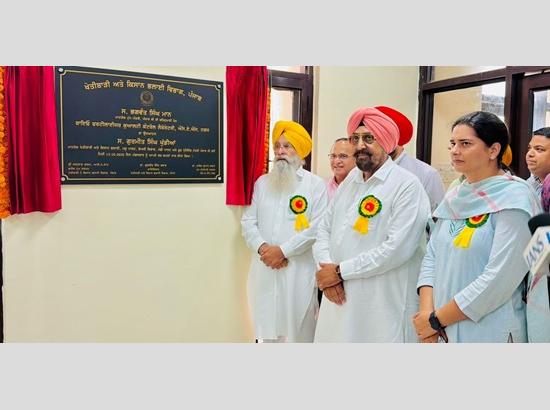
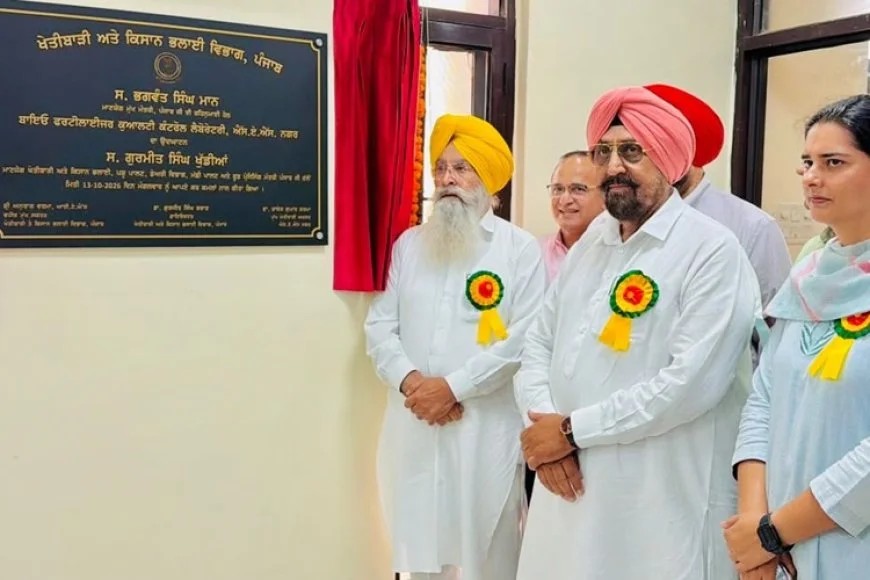
Agriculture, which has always been the soul and economic backbone of Punjab, now stands at a major turning point. The increasing overuse of chemical fertilizers has led to severe issues like declining soil vitality and water contamination. In this context, the Punjab government has taken a historic step to reinforce the growing trend towards healthy farming. Setting up the third Biofertilizer Testing Lab in Mohali (SAS Nagar) is concrete proof that Punjab is guiding its agriculture toward newer, safer, and more sustainable technologies.
Background and Rationale for the Initiative
The inauguration of this laboratory is not an isolated event but part of a long, complex narrative of agricultural evolution. The very farming revolution that once defined Punjab is now facing its own set of challenges. Continuous irrigation and fertilizer overuse have resulted in soil pH imbalances and disrupted the natural balance of soil microbes. Keeping all these facts in mind, the government recognized the need for a platform where new and eco-friendly agricultural inputs could be scientifically tested.
This lab is more than just a building; it is an attempt to become a center of trust for Punjab's farmers and the future of its agriculture. Having three such testing labs signifies that this is not merely a single project, but a continuous effort to advance agricultural science in the region.
Ground Reality and Key Details
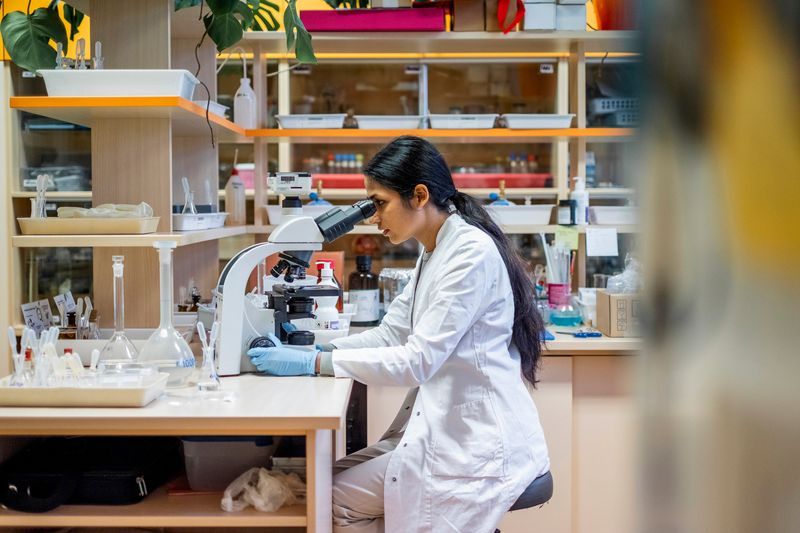
This tri-angle testing lab represents a new level in agricultural science. The work done here is not just 'testing'; it is an in-depth strategic examination of which biofertilizers will be most effective under Punjab's specific, certified soil conditions. This lab provides scientists with the opportunity to conduct underground trials on novel biofertilizers, thereby protecting farmers from purchasing merely 'marketed' products.
The existence of this lab underscores that the government is now focusing heavily on standardization and certification. It is a move towards an approach where agriculture must consider not only technology but also ecological balance. This builds farmer confidence that what they purchase will genuinely work and be safe.
Impact on Punjab's Districts and Citizens
Such a scientific infrastructure will have a profound impact on the agricultural economy of Punjab. Directly, it is a message to farmers who are tiring their land with chemical fertilizers. They will now receive scientifically validated organic alternatives, allowing them not only to save money but also to enhance the intrinsic value of their land.
The effect is not limited to the fields; it will impact young agri-entrepreneurs and the entire agricultural supply chain. Once people trust biofertilizers, it will attract new local companies and service providers. This is moving towards creating a complete Green Ecosystem, which can be particularly beneficial for farmers located near an industrial hub like Mohali.
Government Statement and Administrative Action
The launch of this lab demonstrates the state government's organized effort to modernize agriculture. At the administrative level, it showcases a robust framework of regulation and scientific advisory. The government signals that it now views farming not as something purely natural, but as an industry and a scientific domain requiring control and verification.
This lab will function as an 'Administrative Shield' to protect Punjab's farmers from uncertified products. In the future, this increases the potential for the state's agriculture to carry a tag of 'Cleanliness' and 'Safety,' which is a massive commercial advantage in the market. This impact will not be limited locally; it will help standardize Punjab's agricultural produce for national and international markets.
Expert Opinion and Future Analysis
Experts in the agri-economy suggest that these three labs can become a 'Pilgrimage Center' for Punjab, where agricultural scholars and technology companies converge. The biggest analysis here is that Punjab needs to become a 'Bio-Agri Hub.' To reduce dependence on chemicals, analyzing and certifying biofertilizers becomes a Pillar of Progress supporting all initiatives.
This will bring novel values to agriculture, such as deeper integration with Soil Health Cards. In the future, this lab may not be limited to fertilizers but could also test seed viability and crop nutritional value. This paves the way for Punjab's agriculture to achieve a 'Nutrition-Rich' status, which is the greatest asset for today's populace.
Key Takeaways and Q&A for General Citizens
Any ordinary farmer or citizen engaged in agriculture wants to know what this development means at their level. The first and most important takeaway is that farmers should seek guidance from a government or certified lab before purchasing anything in the market. Advice must be taken regarding specific testing parameters.
❓ Asked: Is this lab only for government farmers? ✅ Answer: No, its aim is to set a model that benefits all agriculture. Private agri-companies can also draw inspiration from it.
❓ Asked: Should I completely stop using chemical fertilizers? ✅ Answer: No, this is a balanced approach. Analysis will determine how much of a specific chemical fertilizer is necessary and how it can be reduced. Using biofertilizers as an 'aid' is the most correct approach.


💬 ਪਾਠਕਾਂ ਦੀਆਂ ਟਿੱਪਣੀਆਂ / Reader Comments 0
ਆਪਣੇ ਵਿਚਾਰ ਸਾਂਝੇ ਕਰੋ। ਕੋਈ ਲੌਗਿਨ ਜ਼ਰੂਰੀ ਨਹੀਂ!
ਸਭ ਤੋਂ ਪਹਿਲਾਂ ਆਪਣੀ ਰਾਇ ਦਰਜ ਕਰੋ!
ਬੀ ਰਹਿਓ ਪਹਿਲੇ ਟਿੱਪਣੀਕਾਰ (Be the first to share your thoughts).