
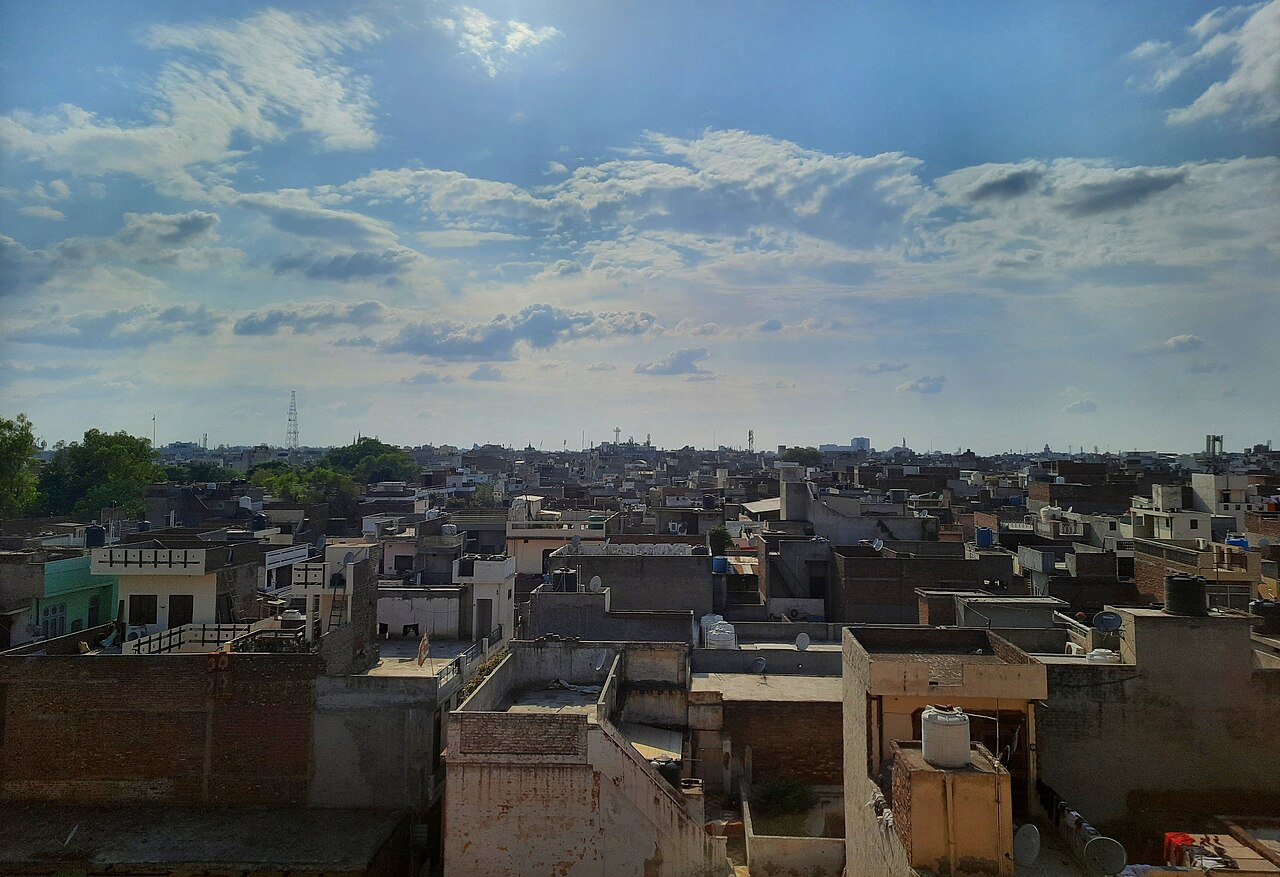
Background of the Crisis and Root Causes
Water management has always been a delicate issue in Punjab's large urban centers, but the situation in Ludhiana's Ward 84 escalates this crisis to a critical level. An observation of local resources and on-ground realities clearly shows that residents have endured a persistent water deficit for two months. This is not merely a seasonal or sudden shortage; it reflects a deep-seated administrative and technical weakness demanding immediate attention.
Based on investigations, the most significant and strongest contributing factor to this water crisis is the major malfunction in the tubewell systems. When primary sources fail under the combined pressure of an aging environment and growing population, the result is nothing short of a disruption to daily life. This issue transcends mere scarcity; it questions the robustness of the entire infrastructure, demanding immediate intervention from both the government and local authorities.
Ground Reality and Key Details
According to reports gathered on the ground, daily life in this specific Ward 84 of Ludhiana has been severely impacted. This two-month ordeal has proven challenging for residents, especially those families with limited resources or who are caring for the elderly and young children. Water scarcity doesn't just mean lack of water for bathing; it means struggling to run a gas stove daily, cook meals, and maintain basic sanitation.
The investigation has pinpointed the tubewell failure as the core problem. This suggests either a major technical breakdown in these pumps that is being delayed in repair, or a significant fluctuation in the groundwater table due to human activity and environmental changes. This situation signals that the area's water sources are under potential threat and cannot be ignored.
Impact on Punjab's Districts and General Public
A water crisis in a major industrial and residential hub like Ludhiana does not remain confined to domestic life. It affects economic activities too. Business owners face immense difficulty arranging water for offices and factories, which can subsequently impact livelihoods and income. Furthermore, agriculture has a direct link to tubewells; even if this ward is urban, its plight resonates with the broader resource management of the entire district.
Students and the healthcare system are also facing major challenges. The lack of sanitation and access to clean drinking water increases the risk of spreading diseases. This is a worrying indicator for the overall health and economic structure; if not addressed immediately, the consequences could be severe.
Government Statements and Administrative Action
As an investigative reporter, it is notable that when such a grave crisis strikes, the public awaits immediate and clear administrative responses. In this case, no detailed or time-bound action statement has been issued from the government level to assure the people of Ward 84 that work is actively underway on their problem.
Even if a statement has been made, it likely emphasizes that efforts are ongoing to restore water supply. However, the public needs clarity on what the *root cause* of the tubewell failure is—is it seasonal irregularity or a major infrastructure collapse? Only an explanatory administrative statement can regain public trust. Therefore, authorities must not only demonstrate action but also present a comprehensive strategy capable of preventing such crises in the future.
Expert Opinion and Future Analysis
Hydrology experts view this water crisis as a major systemic signal. It does not just point to faulty tubewells; it highlights an excessive dependence on groundwater. Experts suggest that the area requires a superior Water Management System for the long term, incorporating modern techniques like Rainwater Harvesting and conservation, rather than relying solely on tubewells.
An analyst also points out that this incident has forced local administration to adopt a strategy with greater accountability and regulation in water conservation efforts. In the future, the government must focus not just on repairing tubewells, but on managing the entire Water Cycle and raising public awareness.
Essential Takeaways for Citizens & Q&A
What action should ordinary citizens take amidst this crisis? The first and most crucial point is to use water with extreme restraint. Usage must be limited only to essential domestic needs, and wasteful or non-essential consumption must cease immediately. All residents need to unite and submit a collective petition to the local authorities so that the gravity of the situation can be understood.
❓ Question: Can the government take immediate action?
💡 Answer: Local Panchayats and Municipal Corporations should complete an inspection of the water source with a definite timeline within the next three days.
❓ Question: Is there any alternative to tubewell failure?
💡 Answer: Citizens should utilize any alternative water source provided by the government, and must exercise caution before accepting any health advice.


💬 ਪਾਠਕਾਂ ਦੀਆਂ ਟਿੱਪਣੀਆਂ / Reader Comments 0
ਆਪਣੇ ਵਿਚਾਰ ਸਾਂਝੇ ਕਰੋ। ਕੋਈ ਲੌਗਿਨ ਜ਼ਰੂਰੀ ਨਹੀਂ!
ਸਭ ਤੋਂ ਪਹਿਲਾਂ ਆਪਣੀ ਰਾਇ ਦਰਜ ਕਰੋ!
ਬੀ ਰਹਿਓ ਪਹਿਲੇ ਟਿੱਪਣੀਕਾਰ (Be the first to share your thoughts).