
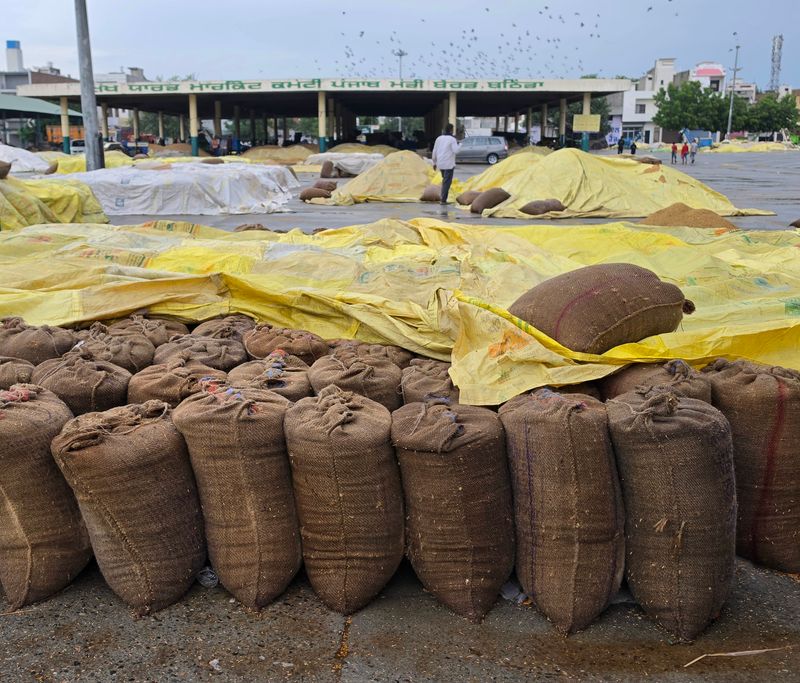
Bathinda Grain Market: The Interplay of Rain and Commerce
As a senior investigative journalist with My Healthy Punjab, our exposé focuses on the current seasonal dynamics of the Bathinda district's grain market. Agriculture is the backbone of Punjab, and its stability is intrinsically linked to robust market trade activity. However, the recent rainfall has cast a shadow over both the timing and volume of paddy arrivals at the mandi. This is not merely a routine news report; it is an in-depth investigation into the entire agro-commercial cycle that sustains farmers, traders, and the regional economy.
Background and Core Drivers
Bathinda, renowned for its agricultural output, typically maintains a predictable rhythm throughout the year's trade cycle. The arrival of paddy at the mandi directly correlates with activity in the farming sector and the income streams of the farmers. But, the recent spell of rain has disrupted this established pattern. The sudden shift in weather patterns has affected both the availability of grains and the logistics channels required to bring them to market. While rain is generally welcomed for agriculture, it presents a distinct challenge from the perspective of market logistics.
According to available information, the rainfall has decelerated the flow of stock and incoming goods into the mandi. This isn't just a fact; it signals a pause in the entire commercial flow upon which several segments of the agrarian economy depend. It is crucial for us to understand what kind of chain reactions this stagnation is generating.
Ground Reality and Key Observations
Through our own on-ground observations and discussions with local sources, it is evident that the rainfall has a direct impact on the Bathinda grain market. A noticeable slowdown in paddy arrivals has been recorded. This isn't just anecdotal; it reflects a tangible change in the daily patterns of both sellers and buyers within the mandi premises.
Due to the weather conditions, farmers are either waiting for the weather to clear up and transportation to become smooth, or they have paused at local collection points rather than bringing everything directly to the main market. This has reduced pressure on the large commercial hubs of the mandi, creating a temporary brake. This situation could also significantly influence future pricing, which is an area that trade experts are closely monitoring.
Impact on Punjab's Districts and General Public
The Bathinda grain market is not just a local bazaar; it is a major economic hub connected to the livelihood of Punjab. The slowdown here is not limited only to paddy trade. Several other sectors of local wholesale markets—such as cattle, seeds, and other agricultural commodities—are being directly affected by this sluggish momentum.
It also presents a psychological challenge for farming families. They are keenly watching their primary source of income, and the constant dip in arrivals at the mandi can affect both their expectations and overall morale. Therefore, it is incumbent upon local traders to maintain continuous communication with farmers and act as a source of morale during this period of weather-related instability.
Government Statements and Administrative Action
The government has not issued any specific immediate declaration that would completely alter the market's pace, as this is a consequence of natural weather patterns. The administrative efforts are primarily focused on making the mandi's transportation routes structurally passable, ensuring that trade can resume at normal speed once conditions improve. While structural improvements in mandification are long-term endeavors for the government, during the current crisis, the administration’s main focus must be maintaining the supply chain.
Expert Opinion and Future Analysis
Agricultural economists describe this situation as 'Weather-induced controlled trade.' They argue that while rain has imposed a natural pause, it cannot dismantle the market's fundamental structure. In the future, the biggest determining factor for trade will not be weather but rather the 'Logistics Infrastructure.' Until the routes are clear, large buyers and traders hesitate to accumulate stock. Therefore, governments must focus their attention not only on mandi management but also on improving internal road connectivity.
Key Takeaways and Q&A for General Citizens
In this context, it is important for general citizens (especially those connected to agriculture) to understand that a temporary slowdown in market activity can be part of a natural cycle. Farmers are advised to monitor their crop status and keep an eye on government procurement advisories. For traders, this time calls for prioritizing proactive communication with their clientele for better future forecasting.

💬 ਪਾਠਕਾਂ ਦੀਆਂ ਟਿੱਪਣੀਆਂ / Reader Comments 0
ਆਪਣੇ ਵਿਚਾਰ ਸਾਂਝੇ ਕਰੋ। ਕੋਈ ਲੌਗਿਨ ਜ਼ਰੂਰੀ ਨਹੀਂ!
ਸਭ ਤੋਂ ਪਹਿਲਾਂ ਆਪਣੀ ਰਾਇ ਦਰਜ ਕਰੋ!
ਬੀ ਰਹਿਓ ਪਹਿਲੇ ਟਿੱਪਣੀਕਾਰ (Be the first to share your thoughts).