
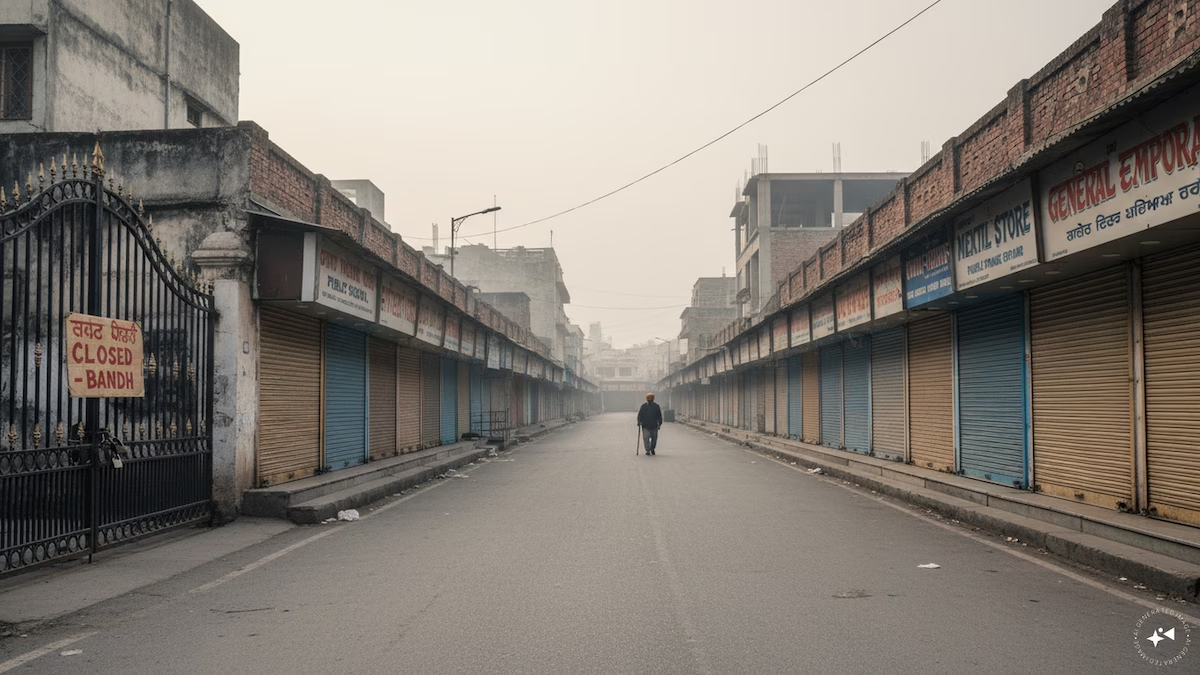
Background and Core Causes of a 'Bandh'
Punjab, often called the 'Granary of India,' is a dynamic state where economic, political, and social factors constantly influence its daily life. Historically, periods of unrest or major seasonal/political conflicts have led to situations like a 'Punjab Bandh.' These shutdowns are usually forms of protest expressing specific demands, seeking justice, or voicing large-scale grievances.
In such sensitive times, when law and order face immense strain, directives can be issued that directly impact transportation, commerce, and public services. Media outlets like CNBC TV18 strive to provide regular updates during these shutdowns because it is vital for the general public to know how their daily activities will be affected. Understanding the nuances of these bandhs is the first step toward minimizing disruption.
Ground Reality and Key Details
When a situation like a 'Punjab Bandh' is enforced, it signifies more than just a traffic stoppage; it can become a widespread administrative and commercial restriction. The most critical takeaway from our analysis is that the status of any bandh remains highly fluid and is entirely dependent on official government announcements. Reliable sources such as CNBC TV18 provide information regarding which activities are permitted and which services might be temporarily suspended.
On an analytical level, citizens must be aware that service availability can change—some areas might see commerce functioning while others remain completely halted. Therefore, it is mandatory to confirm the latest official announcements before undertaking any travel or utilizing any service. Our research confirms that information sourcing is paramount when the situation changes abruptly.
Impact on Punjab's Districts and General Public
Punjab is a vast region, meaning that any major administrative action will affect different districts and demographics differently. Agriculture remains the core of Punjab’s economy; during a bandh, roads leading to fields or mandi markets can be affected, potentially damaging crop prices and trade. Similarly, for those earning livelihoods in urban centers, the biggest source of distress is often the disruption of transport and office closures.
For students, who rely on regular routines for their studies, whether schools and colleges remain open becomes a major concern. Uncertainty also looms over commercial activities—whether shops, banks, and government offices will operate as usual. Consequently, every resident in Punjab should maintain a registry of essential needs and closely follow the guidelines issued by local administration.
Government Statements and Administrative Action
When such an event occurs, immediate and clear communication from the government is absolutely necessary. At the administrative level, several measures are taken to restore law and order—such as imposing travel restrictions, issuing curfews, and advising people to stay indoors. These actions naturally generate public anxiety regarding access to essential services.
The primary goal of official statements is to maintain peace and prevent misinformation. However, it is equally important for the general public to understand that only by adhering to government directives will the situation improve. It must become a rule that before believing any news, one verifies it through direct government channels or accredited media sources.
Expert Opinion and Future Analysis
Sociological experts suggest that such situations in Punjab often point towards deeper social or economic imbalances. This is not merely a day-long stoppage but an indication to pay attention to Punjab's developmental issues. Therefore, moving forward, the government must focus not only on security laws but also shed deep light on economic development and agricultural concerns.
From an infrastructure standpoint, any such crisis reminds us that the state’s major arteries and public administrative strategies need strengthening. Experts emphasize that if operations are contingent on the situation, maintaining a flow of accessible and consistent information becomes the paramount necessity for the state.
Essential Takeaways for Citizens & Q&A
After this comprehensive analysis, general citizens should keep a few points in mind. First question: Will essential medicines be available during a bandh? Answer: Keep an extra stock of necessary medicines with you and confirm with your nearest pharmacy. Second question: Do banks operate? Answer: This depends on administrative orders, but maintain contact with officials for critical needs. Third question: Which news sources should I trust? Answer: Rely only on accredited government and mainstream journalistic sources (like major networks such as CNBC TV18), and stay away from rumors.
Finally, the most crucial point is that public peace is the greatest strength of the law and order system. People must understand their responsibility and ensure the situation remains calm by adhering to administrative guidelines. In this way, we can contribute to the state's safety and smooth functioning as responsible citizens.




💬 ਪਾਠਕਾਂ ਦੀਆਂ ਟਿੱਪਣੀਆਂ / Reader Comments 0
ਆਪਣੇ ਵਿਚਾਰ ਸਾਂਝੇ ਕਰੋ। ਕੋਈ ਲੌਗਿਨ ਜ਼ਰੂਰੀ ਨਹੀਂ!
ਸਭ ਤੋਂ ਪਹਿਲਾਂ ਆਪਣੀ ਰਾਇ ਦਰਜ ਕਰੋ!
ਬੀ ਰਹਿਓ ਪਹਿਲੇ ਟਿੱਪਣੀਕਾਰ (Be the first to share your thoughts).