
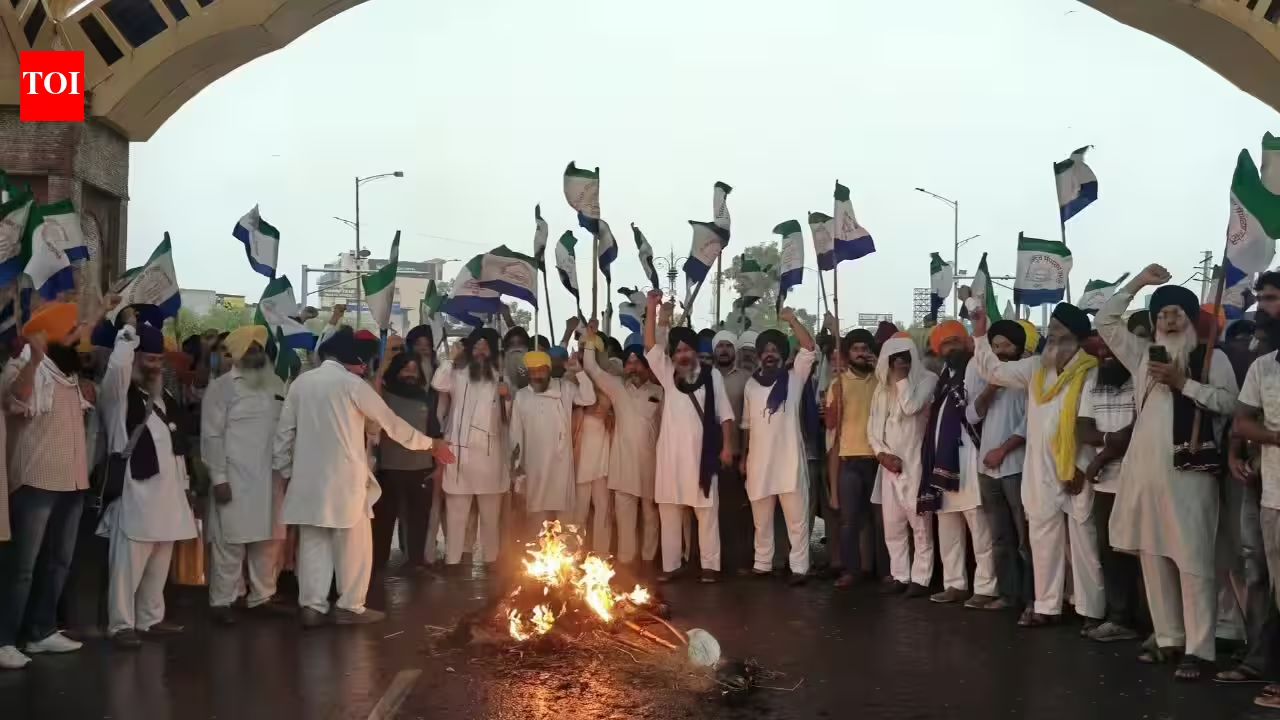
The Dynamics of Protest in Punjab: Deep Impact on Daily Life and Economy
While there may not be a single overarching political or social demand dominating the state, strikes across several regions of Punjab have slowed down the pace of daily life. This is more than just a one-day demonstration; it has cast a deep shadow over the state administration and the routine existence of its citizens. According to our sources, the significant participation from the farming community, coupled with groups like ADWPD (associated with general public welfare), has given this protest an extensive scope.
Background and Core Triggers of the Protests
In Punjab, any major demonstration is historically rooted in economic or agricultural issues. This time's strike is fueled by multiple factors, primarily centered on farmers' demands clashing with government policies. Historically, the people of Punjab have never hesitated to unite for their rights, and this situation reflects that traditional response. For the farming community, which is currently facing challenges regarding income, taking to the streets can be a way to build leverage. Furthermore, the support from organizations like ADWPD has ensured that this protest is not confined merely to agriculture; it has integrated a broader social dimension.
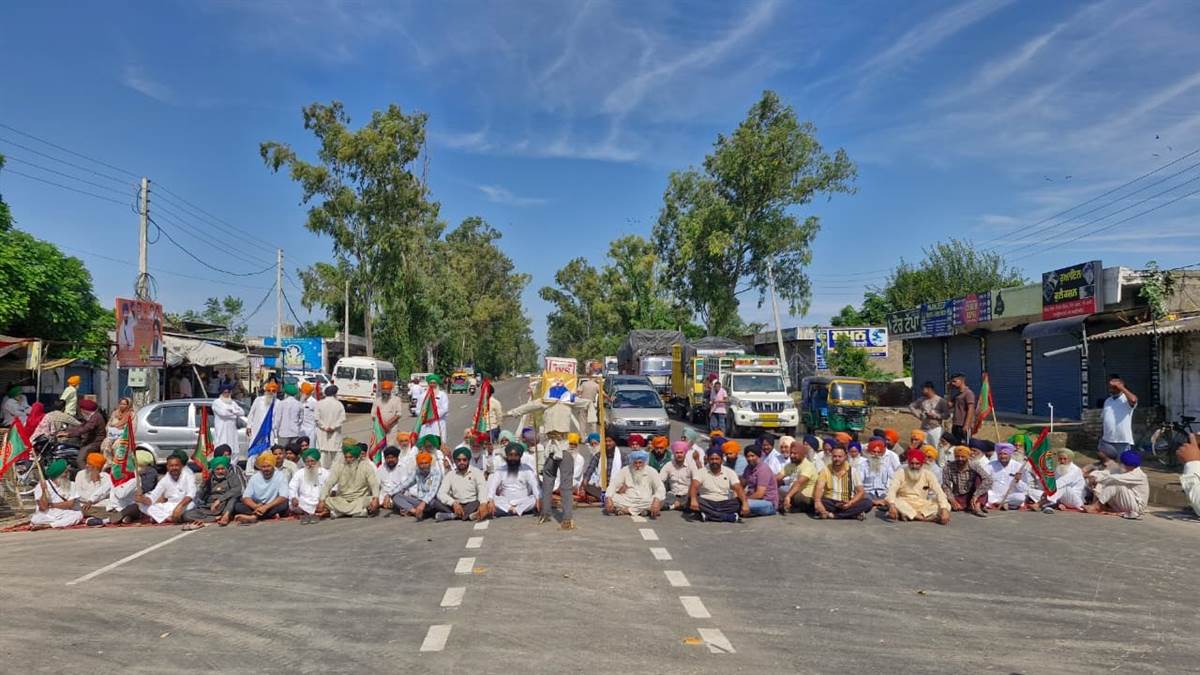
This situation depicts an environment where various segments of society have gathered on one common platform, raising major questions about the state's political and social policies. This is not just a procession or a march; it is an organized blockade whose impact reaches deep into the economy.
Ground Reality and Key Details
Our own sources provide a clear picture: the situation on the ground is quite serious. While images of protests are circulating, the real news is that large parts of the state have shops shut down. This means a significant portion of general trade and consumer commerce has been halted. This situation is not just linked to the protest itself but also to the disruption in public movement, as closed roads mean stalled business.
This issue is not limited only to farmers; the involvement of organizations like ADWPD has transformed it into a large-scale social demonstration where every section of society is gathering to voice its demands. This blockade on the streets is affecting general commuting and vehicles providing essential services, creating a tense atmosphere across Punjab. Research suggests that this situation will remain confined for only a short period or cannot be guaranteed until dialogue takes place regarding the core demands.
Impact on Districts and General Public Across Punjab
The direct and initial impact of this strike has been felt most keenly in the local economy. The news about closed shops circulating in the media accurately portrays that market lanes in cities are deserted. This affects not only the traders earning their livelihood but also the daily purchasing needs of the general public.
Especially in parts of Punjab that are commercial hubs, there is a major void in initial markets. This has not only halted commercial activities but has also created strain on transportation systems. The leadership of the farming community makes this situation more delicate because they are raising issues concerning their movement and market access. Students and youth cannot be spared from this impact, leading to a general standstill in the state's routine life.
Government Statements and Administrative Action
Whenever such large protests occur, both the State Government and the district administration typically issue certain statements. These statements are generally focused on maintaining peace and restoring law and order. At the administrative level, security measures are kept ready to prevent any kind of violent incident. Special committees are formed to engage with people supported by organizations like ADWPD, so that demands can be heard in a constructive manner.
However, it is also crucial to note that at the governmental level, no final or definitive statement can be made until dialogue has been completed with all sections. The administration's primary focus remains on ensuring that the law is respected and that people can assert their rights peacefully. But when large groups like farmers unite, it becomes a challenge for the administration.
Expert Opinion and Future Analysis
Social psychologists and political analysts view this situation as a reflection of the state's economic distress and the long-standing grievances of the farmers. According to them, this strike is a 'demand-driven' blockade that is not confined merely to politics but is linked to the right to livelihood for workers in agriculture and labor. The support from ADWPD presents it as a large 'Social Coalition.'
Future analysis suggests that such blockades may persist until a clear, legal resolution is found. This poses a risk of serious disruption to the state's development projects. It serves as a major signal to the government that the demands of farmers and workers must be addressed not just through statements, but through policy implementation at the ground level.
Essential Takeaways for General Citizens (Q&A)
General citizens need to practice self-reliance right now. Since the possibility of shops closing is always present, stocking up on essential goods like medicines, food, and basic necessities can be a wise step. Transportation plans should also be prepared in advance, as the transport system could face disruption at any time.
Question: Should we stay home for our necessary errands? Answer: Try to avoid traveling if possible, and only go out for absolute emergencies. Keep communicating with the wider community to receive accurate information.
A sensitive and disciplined citizenry is the best way to protect the state's economy during any major protest period. This time is forcing people to strike a balance between their rights and their civic duties.


💬 ਪਾਠਕਾਂ ਦੀਆਂ ਟਿੱਪਣੀਆਂ / Reader Comments 0
ਆਪਣੇ ਵਿਚਾਰ ਸਾਂਝੇ ਕਰੋ। ਕੋਈ ਲੌਗਿਨ ਜ਼ਰੂਰੀ ਨਹੀਂ!
ਸਭ ਤੋਂ ਪਹਿਲਾਂ ਆਪਣੀ ਰਾਇ ਦਰਜ ਕਰੋ!
ਬੀ ਰਹਿਓ ਪਹਿਲੇ ਟਿੱਪਣੀਕਾਰ (Be the first to share your thoughts).