
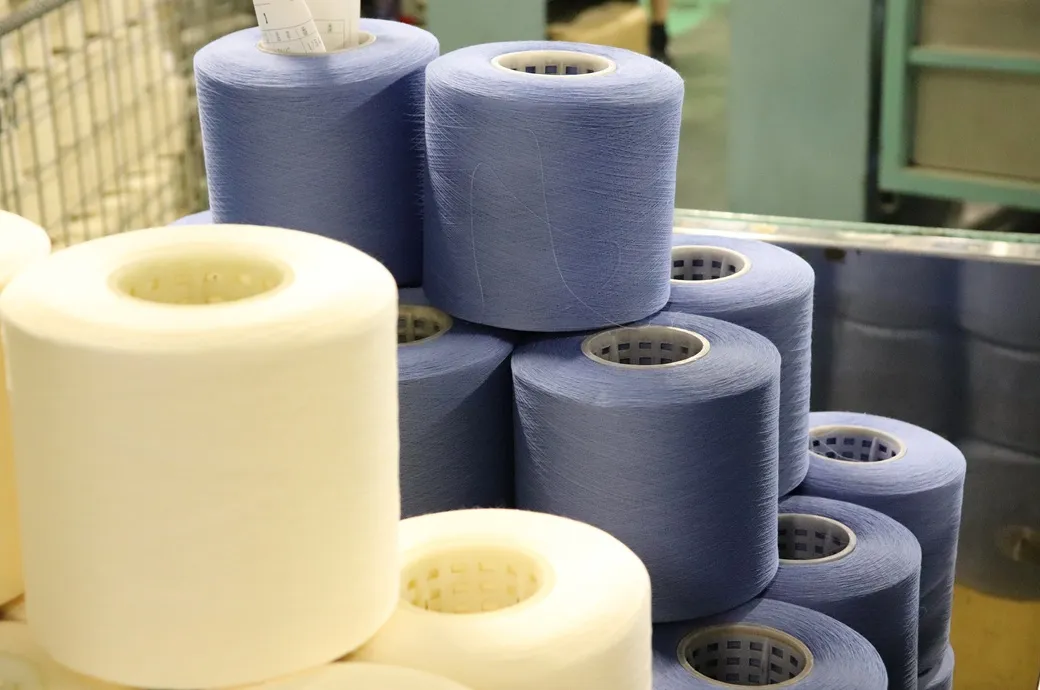
The Mixed Signals of North India's Cotton Yarn Market: What's Rising in Ludhiana? An In-Depth Investigation
At My Healthy Punjab, our focus today is on Punjab’s primary industrial hubs and agricultural centers. The cotton yarn market serves as the pulse of any regional economy, and currently, a mixed signal is visible across North India's yarn markets. While some areas show signs of stability, major hubs like Ludhiana are exhibiting worrying price escalations. This isn't just about a price graph; it’s a complex blend of seasonal and macroeconomic indicators for the entire industry that demands careful scrutiny.
Background and Key Drivers
Cotton yarn prices have always been intrinsically linked to global demand, seasonal changes, government policies, and agricultural support systems. Over the last few months, an atmosphere of instability has permeated the North Indian cotton yarn market. This 'mixed signal' means that different states and regions are showing varied outcomes—some areas suggest a dip in sales, while others point towards high demand due to supply chain disruptions.
Amidst this general geo-economic backdrop, Ludhiana stands out because it is a major center for the textile industry spanning Punjab and Haryana. According to our sources, multiple factors are driving the price hikes here. This rise isn't confined merely to seasonal demand; there might be a larger economic indicator hidden behind it that is difficult to decipher simply. Our investigation aims to bring this deep picture to light so that everyone can gain a complete understanding.
Ground Reality and Key Details
During our investigation, we found that while the overall North Indian yarn market exhibits an atmosphere of volatility, the Ludhiana market is presenting a distinct narrative. This is the most critical point needing attention. The price increase in yarns isn't due to one single cause but rather a complex interplay between demand and availability (Demand-Supply Imbalance).
Traders on the ground report that the prices of raw materials used to make yarn are also unstable. Simultaneously, high demand for finished goods in the market has ensured that yarn prices remain above their ideal levels. This situation can be challenging for many small and medium corporations (SMEs), as they may find it difficult to absorb such price hikes. Therefore, a deep assessment from both local buyers and sellers is crucial.
Impact on Punjab's Districts and General Public
Ludhiana is not just a textile hub; it is deeply connected to the economy of Punjab. The rise in yarn prices directly affects thousands of workers here, whether they are directly employed in the textile industry or are small artisans. The biggest impact falls on SMEs, which are the backbone of Punjab's industrial map. When these face rising raw material costs, they must either raise their own prices or reduce production to maintain their profit margins.
From an agricultural perspective, this shift in cotton demand can also influence next year's crop planning. If high prices persist in the market, farmers might gain more impetus to cultivate cotton on a larger scale, but it simultaneously points to the need for proper market management. For the general consumer, it means that price increases in clothing are likely, requiring customers to be prepared beforehand.
Government Statements and Administrative Action
In this regard, neither the local government nor the Ministry of Industry has presented any definitive 'solution.' Administratively, the matter is largely being treated as part of normal Market Dynamics. When prices rise in such large industrial sectors, governments usually focus on ensuring the smooth functioning of the supply chain and monitoring the market.
However, traders' associations have demanded that the government should push for creating raw material stocks and bringing some regularity to the yarn market. This demand is based on the premise that traders need to maintain large inventories to protect against sudden fluctuations in prices. Therefore, cooperation between the Punjab State Government and the Central Government is necessary to ensure the industry receives support if any crisis hits.
Expert Opinion and Future Analysis
Cotton yarn market experts are viewing this situation with 'Cautious Optimism.' They believe that Ludhiana's high-price trend is linked to global seasonal cycles and, specifically, the demand expected during the upcoming textile season. Experts emphasize that one should not despair just by looking at prices; rather, one must examine *why* the increase is happening—is it due to genuine demand or a supply shortage?
Analyzing the future, one thing is clear: Punjab needs to strengthen its industrial linkages. Instead of merely focusing on prices, the administration should focus on improving yarn productivity and creating a stable platform for raw material buying and selling. This long-term strategy alone can make this market sustainable, regardless of how high or low the prices fluctuate in the short term.
Key Takeaways and Q&A for Consumers
In this complex market environment, what should ordinary consumers do? Our advice is that before making any major purchase decision, it is essential to verify prices from at least two sources and traders. Do not rely on the statement of a single vendor.
💡 Q&A for Readers:
- Question: Will these high prices last forever?
Answer: No. It is part of the market cycle. Consumers must keep an eye on the situation and seek timing guidance for large purchases. - Question: Can the government offer any support?
Answer: Direct price control is difficult, but the government can help by improving the supply chain and enhancing accessibility to people. - Question: I am a small artisan; what should I do?
Answer: Stay in touch with your customers and provide them with complete information about the market situation. Even a small increase can greatly affect your work, so diversification is necessary.



💬 ਪਾਠਕਾਂ ਦੀਆਂ ਟਿੱਪਣੀਆਂ / Reader Comments 0
ਆਪਣੇ ਵਿਚਾਰ ਸਾਂਝੇ ਕਰੋ। ਕੋਈ ਲੌਗਿਨ ਜ਼ਰੂਰੀ ਨਹੀਂ!
ਸਭ ਤੋਂ ਪਹਿਲਾਂ ਆਪਣੀ ਰਾਇ ਦਰਜ ਕਰੋ!
ਬੀ ਰਹਿਓ ਪਹਿਲੇ ਟਿੱਪਣੀਕਾਰ (Be the first to share your thoughts).