
Background and Core Issues
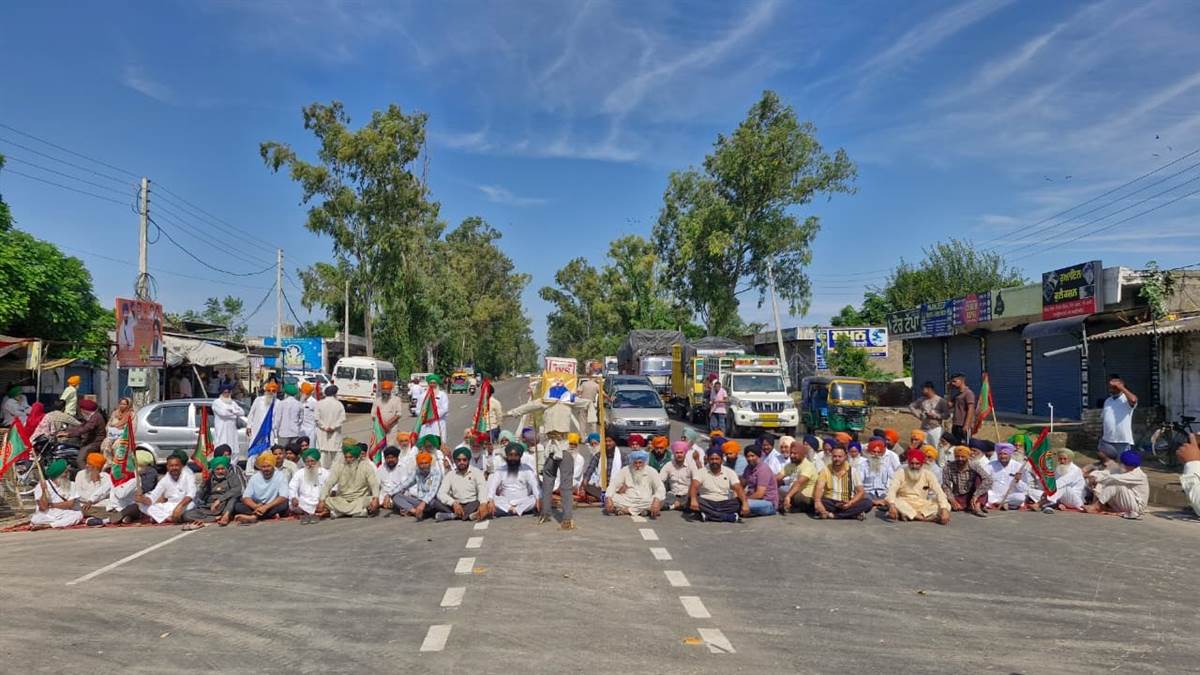
Punjab, long recognized for its agricultural backbone and political dynamism, seems to be navigating a wave of intense tension fueled by recent bandhs. In this context, farmers in the Roorkee district staged a protest on the roads, aiming primarily to draw the attention of both the Punjab government and relevant authorities. This farmer movement is not merely about halting traffic; it conceals deeper socio-economic and justice-related issues.
The demonstration carries a very strong and specific demand: farmers are calling for stringent legal action against the alleged assailants of a prominent anti-drug leader. This incident underscores the growing concern over drug syndicates and associated illegal networks within Punjab. For the farming community, which has historically been the backbone of Punjab, this murder is viewed as a significant security threat.
According to observers, while agricultural issues and economic distress are escalating in Punjab, security concerns have risen concurrently. The Roorkee protest brings these two major issues—agriculture and justice—onto one platform, making it clear to local administration that the farmers' dissent is not purely economic but deeply intertwined with civil safety.
Ground Reality and Key Details
Reports indicate that farmers staged their presence on the roads in Roorkee to completely halt public transport due to the ongoing bandhs. Such protests have consistently caused severe disruptions to the district's normal operations and trade activities. This sends a strong signal that the distress among the farming class is not limited to agricultural economics, but also encompasses concerns over their land and personal security.
The most critical detail remains the farmers' demand for strict punishment for those involved in the anti-drug leader's murder. Viewed against the backdrop of Punjab’s drug menace, this is seen as more than a local incident; it reflects the need to dismantle the deep roots of narcotics trafficking and illegal power structures across the state. This specific demand has elevated the protest from a mere demonstration into a larger plea for 'Justice.'
The entire episode suggests that solving any agrarian or economic crisis cannot be achieved solely through subsidies; there is a necessity to strengthen the entire rule of law. By making their demands multi-dimensional, the farmers have forced the administration toward direct dialogue.
Impact on Punjab's Districts and General Public
Large-scale protests like this directly affect Punjab's trade, agricultural markets, and education system. When a civic center like Roorkee sees its traffic halted, local market activity slows down. This impacts the daily livelihood of the general populace in the region. The agricultural economy suffers direct losses as access to resources and markets gets blocked.
It poses a major difficulty for students who struggle to reach schools and colleges. Furthermore, it can affect healthcare services because transporting emergency cases might face interruptions. This illustrates that when an agrarian movement hits the roads, its impact touches every pillar of the state.
Therefore, when formulating any policy, the government must not limit itself only to farmers' demands but must conduct a comprehensive assessment of the economic and social repercussions so that no bandh jeopardizes the state's daily life.
Government Statements and Administrative Action
During such large-scale protests, both the State Government and District Administration issue periodic statements. Generally, these statements assure that the farmers' grievances are being heard and dialogue is underway. The administration often tries to convey that the situation is gradually calming down and law and order is under control.
Police and district officials routinely attempt to clear protesters from the roads, but farmer unions remain prepared to stall until their demands are met. Consequently, the discussion frequently centers between 'legal administration' and 'volatile circumstances.' For government leaders, this presents a delicate balance: they must immediately placate the farmers while simultaneously maintaining law enforcement.
Expert Opinion and Future Analysis
Sociologists or political experts view this incident as a symbol of the escalating imbalance within the state. It is not just an agricultural issue; it questions Punjab's entire economic and legal structure. The mention of the anti-drug leader’s murder suggests that illegal forces have damaged the social architecture of Punjab, requiring not only strengthening the judiciary but also comprehensive governmental and democratic efforts.
Future analysis suggests that as long as the security concerns of farmers and ordinary citizens are not resolved through consensus, such protests are likely to continue. Because people feel that their voice is not heard by the 'absentee' political powers, they take to the streets to present their demands.
Key Takeaways for General Citizens (Q&A)
General citizens must understand that during such protests, prioritizing personal safety is crucial. If you have essential work, try to postpone it or gather information through online resources. Trust should be placed only in official statements issued by the local administration, especially when information flows from unverified sources.
Are these protests permanent? There is no definite information on this, as it depends entirely on the demands of the farmer unions. People must remain alert to the latest updates.
Core Message: The essence of this entire episode is that three major pillars—agriculture, economy, and justice—are running concurrently in Punjab, and the farmers have brought all these issues to the forefront through one protest. No easy response awaits the government now.



💬 ਪਾਠਕਾਂ ਦੀਆਂ ਟਿੱਪਣੀਆਂ / Reader Comments 0
ਆਪਣੇ ਵਿਚਾਰ ਸਾਂਝੇ ਕਰੋ। ਕੋਈ ਲੌਗਿਨ ਜ਼ਰੂਰੀ ਨਹੀਂ!
ਸਭ ਤੋਂ ਪਹਿਲਾਂ ਆਪਣੀ ਰਾਇ ਦਰਜ ਕਰੋ!
ਬੀ ਰਹਿਓ ਪਹਿਲੇ ਟਿੱਪਣੀਕਾਰ (Be the first to share your thoughts).