
The Background and Core Reasons Behind the Statements
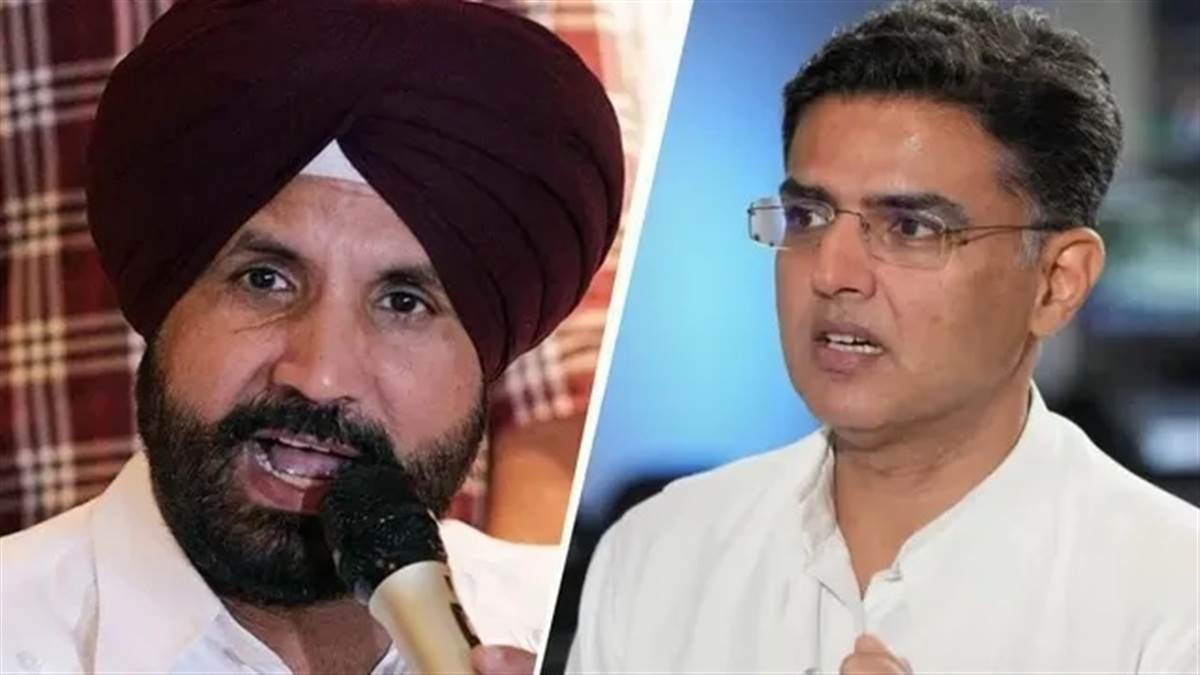
In the vibrant political atmosphere of Punjab, where every major statement becomes historical talking point, a particular declaration by Sahib Singh Pilot is resonating uniquely. This statement is not merely confined to election talk; rather, it paints a broad picture of Punjab’s political policies and the current socio-political climate. When a prominent leader takes such a strong stance on a specific issue, there is almost always deep preparation and an underlying policy rationale.
In this particular instance, Pilot has made sweeping claims concerning certain individuals or situations related to the state, which has heightened the tension in Punjab's political discourse. These allegations might be linked to a specific list or event, but their full verification can only come from reliable sources. Statements from leaders like Sahib Singh Pilot always carry significant weight because they touch upon the entire political landscape.
Such claims not only generate public consensus or dissent; they also raise questions at the legislative and administrative levels—questions about whether systemic change is needed or which areas require immediate reform. Therefore, treating this incident as just a mere statement would be a mistake; it represents a major test for Punjab's political structure.
Ground Reality and Key Details
When we investigate these specific claims, it becomes clear that the discourse is not just about words but incorporates a targeted political narrative. Sahib Singh Pilot’s open statement, which points fingers at certain individuals (or situations), links this to the context of Punjab's elections—a serious undertaking. According to our sources, these allegations are likely tied to demands for change in the state's economic policies or a specific issue.
In this depth of research, one thing emerges: political claims often create a significant gap between rhetoric and actual ground reality. When an individual targets a specific person or group, a complete picture emerges when comparing their history with their past actions. We find that to substantiate his statement, Pilot has emphasized several key points that require detailed analysis to determine if this is mere political maneuvering or indicative of a major shift.
From an investigative journalistic perspective, we are not treating Pilot's claims as mere 'allegations,' but rather investigating their foundations and implications. This is a sensitive area where understanding the difference between facts and political waves is crucial.
Impact on Punjab’s Districts and Common People
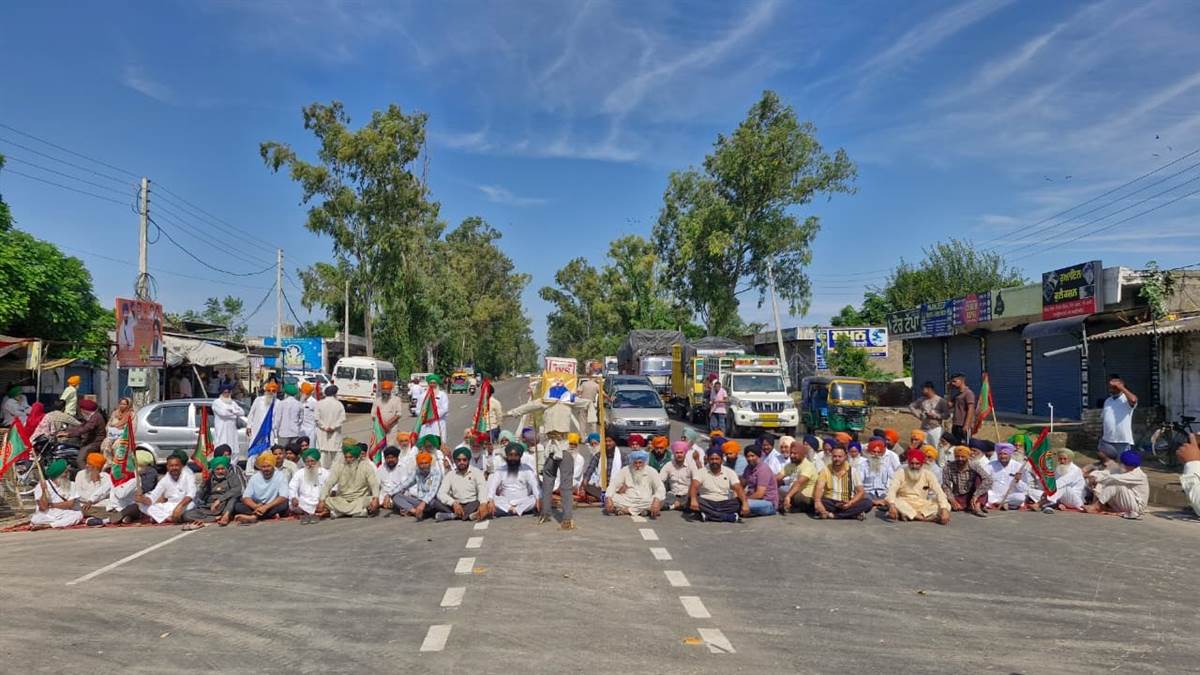
Punjab, due to its agricultural base, strategic location, and large population, feels the direct impact of any major political statement. This impact is not limited to the capital or big cities; it touches every corner of Punjab, especially the sentiments of farmers and the youth. When such controversies heat up in the public sphere, the effect directly impacts the economic morale.
Agricultural belts, which are the backbone of Punjab, are most susceptible to any policy uncertainty. If a leader like Pilot is speaking about agriculture or resources, it directly implies that the farm market and agricultural ecosystem must face new crises or suggestions. This can increase uncertainty in the markets, potentially slowing down trade and economic activities.
Furthermore, students and youth are also affected because they are directly linked to the state's employment prospects. Such large political debates often instill a sense of insecurity among the common populace regarding their future, which can lead to mental stress. Therefore, the analysis of political statements must not be confined only to politics but must extend to the level of daily life.
Government Statements and Administrative Action
When a major controversy erupts in the political arena, the government machinery immediately begins issuing responses. In this matter too, for any accurate and complete information, we require confirmation of what official response the government has given to these claims. Administrative action is always related to facts and legal frameworks, not merely politics.
Government statements generally do two things: First, they respond to the claims made by the individual or party with observed data and accurate information. Second, they present their work in a logical manner—detailing what improvements have been made so far or what projects have been implemented. If the dispute is about certain areas being neglected, we must examine the official statements from the District Administration and the concerned Minister.
A critical view suggests that the government's response is often 'reactive,' meaning it is issued merely to quell a controversy. Therefore, as journalists, our duty is to bring out the hidden weaknesses and unsaid questions within these formal statements. Until an official report comes from the regular administrative level, accepting any grand claim can be premature.
Expert Opinion and Future Analysis
Political experts view such situations as 'Disruptive Discourse.' They believe that such claims can redraw the political map of Punjab. The expert consensus is that no single individual or party can solve all issues; therefore, the public demand should be more institutional and policy-driven.
If we view Pilot's statement as a large signal, it suggests that the grievances in Punjab are not limited to specific issues but are demanding broad administrative reform and political impartiality. Economic imbalance, lapses in governance, or falling prices for farmers—these three things form the root of most political controversies.
For future analysis, this tension is unlikely to remain confined only to elections. Parties will need to make their policies more 'grounded,' because voters no longer want to hear promises; they demand proof of change. Thus, any major leader's statement can be a 'strategic tool' attempting to shift the situation in their favor.
Essential Points for Citizens and Q&A
How should ordinary citizens proceed in this time? Our conclusion is that no statement is simply 'true' or 'false'; it carries a consequence. Ordinary citizens must remain extremely cautious and should not react rashly to any piece of information.
Question: What kind of information should I trust?
Answer: Only sources that are reported by multiple reliable, verified media outlets. Personal claims must also be viewed with proper context.
Question: Should we prepare anything for the farmers?
Answer: Yes. Even amidst political talk, agricultural and economic security should be the first priority. It is crucial to keep an eye on government policies and understand local issues.
Question: What will this affect my daily life?
Answer: There will no immediate direct impact, but in the long run, this situation could lead to a new political...


💬 ਪਾਠਕਾਂ ਦੀਆਂ ਟਿੱਪਣੀਆਂ / Reader Comments 0
ਆਪਣੇ ਵਿਚਾਰ ਸਾਂਝੇ ਕਰੋ। ਕੋਈ ਲੌਗਿਨ ਜ਼ਰੂਰੀ ਨਹੀਂ!
ਸਭ ਤੋਂ ਪਹਿਲਾਂ ਆਪਣੀ ਰਾਇ ਦਰਜ ਕਰੋ!
ਬੀ ਰਹਿਓ ਪਹਿਲੇ ਟਿੱਪਣੀਕਾਰ (Be the first to share your thoughts).