

Amritsar: From Crime Waves to Drug Crisis – A Matter of Security and Social Fracture
The events unfolding in Amritsar, Punjab's sacred city, have recently cast serious questions over the region's security environment. Incidents linked to a prominent figure like Parvinder Jhota have not only generated urban tension but also starkly highlight that the drug crisis has become an issue too large to ignore. As 'My Healthy Punjab,' our aim is not merely to report headlines, but to analyze the broader confluence of these events and how the escalating drug menace poses a significant threat to Punjabi society.
Background of the Incidents and Root Causes
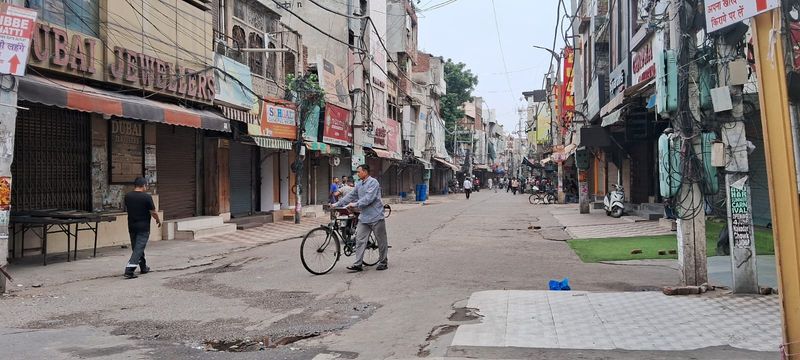
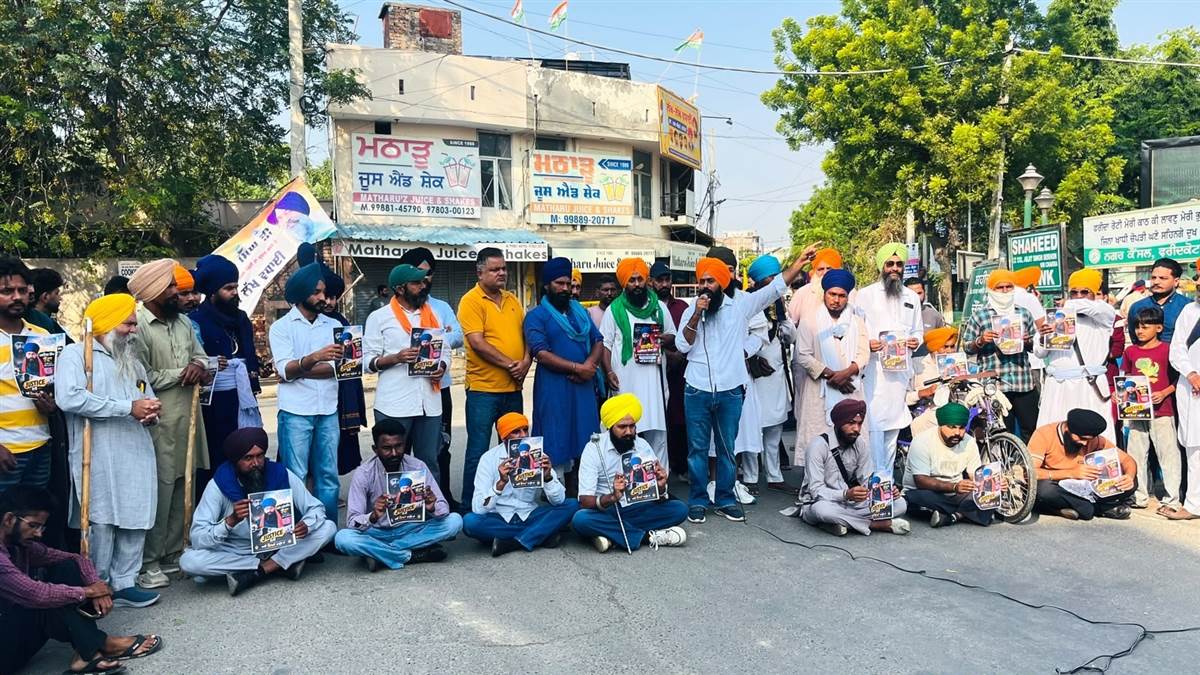
Amritsar, renowned for its cultural grandeur, appears trapped in a complex situation. The recent incidents involving Parvinder Jhota have created deep anxiety among the local populace, leading to an atmosphere thick with tension. Such violent episodes instill a sense of pervasive threat regarding urban safety among ordinary citizens.
Alongside this tense atmosphere, the drug problem is spreading its roots across every corner of Punjab, and Amritsar is no exception. These two factors—the impact of direct violent incidents and the growing grip of narcotics—are creating a symbiotic relationship that jeopardizes overall security and social order. This is not merely an individual case; it reflects a larger societal crisis demanding deep investigation.
Ground Reality and Key Details
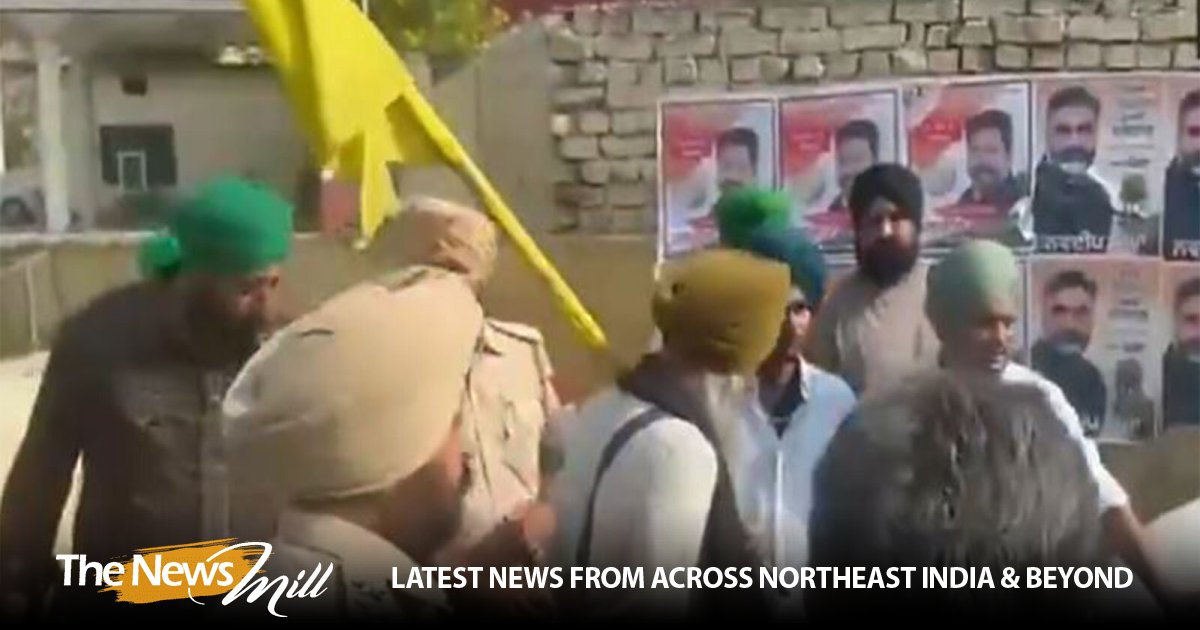
Our sources and on-ground monitoring suggest that the situation is not limited to any single incident. The Parvinder Jhota matter drew intense public focus, putting significant pressure on the administration to take stringent security measures. Following such events, a kind of temporary 'standoff' atmosphere settles in the area, where citizens feel vulnerable.
Furthermore, the drug crisis remains an ongoing challenge for Punjab's security apparatus. Amritsar is visibly grappling with it, where the narcotics trade has firmly established its hold on society. This is not just a criminal activity; it is a major systemic threat ensnaring the youth and eroding general social trust. Our investigations suggest that these two issues—violence and drugs—are working in tandem to create a massive social hazard.
Impact on Punjab's Districts and General Public
The repercussions of such situations are not confined to the immediate incident zone. They affect the youth, traders, and general citizens across all of Punjab. On one hand, security concerns slow down commercial activities; on the other, the drug crisis is economically draining individuals and families.
Looking at agriculture, where livelihood should be earned through honest labor, the drug trade has emerged as another source of illicit income. In the realm of education, the impact is visible: the generation that was supposed to build the future is now falling victim to this crisis. Public faith in local administration and law enforcement capacity is dwindling, fostering a deep sense of self-doubt.
Official Statements and Administrative Action
When such incidents occur, local governments issue certain declarations and take measures. However, this picture often appears as merely a one-way attempt. In such matters, the administration must focus not only on the immediate aspects of the incident but also address its root causes.
While anti-drug campaigns are frequently mentioned by authorities, where are these efforts failing? Does simply preparing arrest reports conclude the matter, or does it bring about social change? The real administrative necessity is to confront the drug trade not just through police laws, but by creating avenues for education and employment. Resolving local disputes requires a comprehensive and multi-departmental approach, rather than just immediate legal action.
Expert Opinion and Future Analysis
Social science experts argue that in cities like Amritsar, which have large economic activities, drugs and violence feed off each other. This is not an overnight problem but the result of long-term economic disparity. When people lack viable and secure means of earning a livelihood, they are drawn toward such illicit activities.
Three changes are crucial for the future: First, skill development must be provided to local youth. Second, the number of mental health support centers must increase so that people can receive both courage and assurance. And third, law enforcement must move from being 'Reactive' to 'Proactive'—meaning preparation must happen before an incident occurs, not after.
Essential Takeaways and Q&A for Citizens
In this grave atmosphere, what should the general public do? Our advice is that everyone needs to maintain situational awareness regarding their surroundings. If you know someone susceptible to the drug crisis, guiding them toward government counseling centers—which provide medical and social support—is the greatest contribution.
Question: Can we remain safe on a personal level? Answer: While governmental steps are necessary, individuals must also maintain vigilance in their locality. It is better to stay with local groups or focus on group activities rather than wandering alone.
In summary, Amritsar requires not just legal reform but a massive social and economic overhaul so that the city can regain its former prosperity and security.
💬 ਪਾਠਕਾਂ ਦੀਆਂ ਟਿੱਪਣੀਆਂ / Reader Comments 0
ਆਪਣੇ ਵਿਚਾਰ ਸਾਂਝੇ ਕਰੋ। ਕੋਈ ਲੌਗਿਨ ਜ਼ਰੂਰੀ ਨਹੀਂ!
ਸਭ ਤੋਂ ਪਹਿਲਾਂ ਆਪਣੀ ਰਾਇ ਦਰਜ ਕਰੋ!
ਬੀ ਰਹਿਓ ਪਹਿਲੇ ਟਿੱਪਣੀਕਾਰ (Be the first to share your thoughts).