
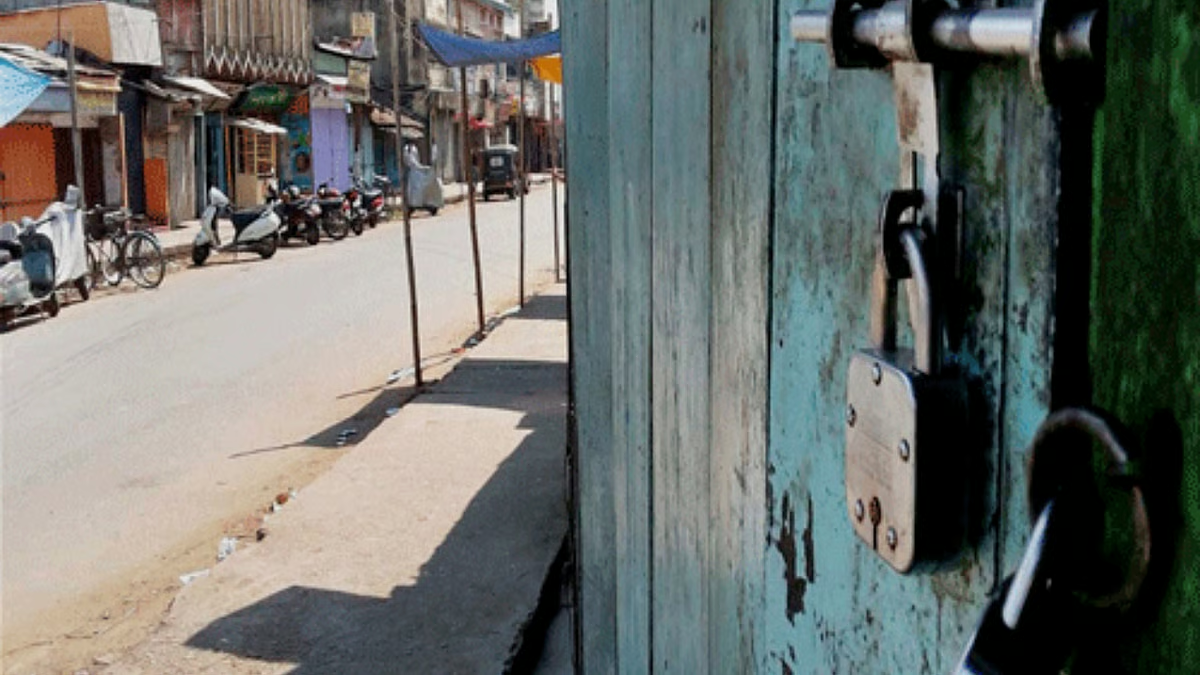
The Impact of 'Punjab Bandh': A Snapshot of Commerce, Education, and Daily Life
As a native Punjabi citizen and an observer of social dynamics, it is deeply concerning to witness the impact of any major social or political crisis on ordinary life. Due to the recent 'Punjab Bandh' (Punjab Strike), a state of disarray has gripped the region, from its rural heartlands to the bustling city markets. Normal activities have come to a standstill; nothing feels routine or back to normal. This is not merely a one-day disruption; it raises serious questions about Punjab’s overall economic and social rhythm.
Background and Core Causes of the Disruption
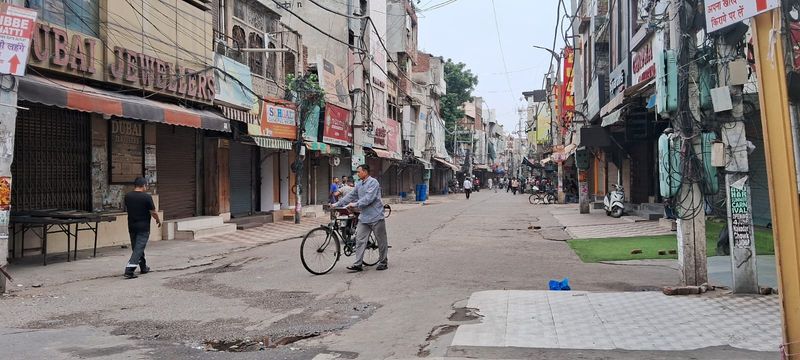
Historically, whenever significant political or economic disparity is felt in Punjab, protests and strikes have followed. The current situation can be seen as the result of large-scale organized pressure. A 'Punjab Bandh' is usually called in response to a specific issue—be it farmers' demands, job opportunities, or policies set by the state government. The primary goal of such a strike is often to draw the attention of the government and vested interests towards a particular agenda, which consequently brings local life to an absolute halt. As an immediate consequence, activity in urban markets declined sharply, making it difficult for people to carry out their essential daily tasks.
Ground Reality and Key Observations
According to sources, the impact of this strike is not limited to just the roads; institutions directly connected to the livelihoods of common people have faced major hurdles. The effects have been particularly pronounced in private schools and market centers. When educational hubs and commercial centers freeze simultaneously, managing the local economy becomes incredibly difficult. This situation doesn't just mean a pause; it breeds a sense of confusion and uncertainty that deeply troubles the general populace.
Impact on Punjab's Districts and Citizens
The repercussions of this situation have been felt in every corner of Punjab, whether they are large urban centers or rural areas. The halt in market transactions has left shopkeepers and traders stressed as their work grinds to a complete stop. Simultaneously, students and parents face major distress because the closure of private schools disrupts their academic routine. Those segments of the commercial class who rely on daily income are the most affected. It is crucial to remember that such disruptions directly damage the mental and economic well-being of the people.
Government Statements and Administrative Action
When such incidents occur, directives and statements issued by the government become paramount for the general public. Such actions at the administrative level are considered part of law and order control, aimed at maintaining peace. The state administration usually prepares continuity plans to ensure essential services, like food and medicine distribution, remain uninterrupted. However, when these measures completely halt normal activities, it raises questions among people about whether such steps were truly necessary.
Expert Opinion and Future Analysis
Sociologists view this situation as an 'Operational Management Failure.' They argue that for a globally significant agricultural and industrial state like Punjab, where continuous activity is vital, such large strikes do not just create a day's commotion; they erode long-term confidence. Moving forward, managing any protest requires continuous dialogue between the government and social workers—a discussion based not merely on orders, but on mutual understanding and consensus.
Key Takeaways and Q&A for Citizens
Ultimately, every citizen must remember that during such crises, safeguarding finances and health should be the top priority. If markets are shut down, stocking up essential household items is a sensible precaution. Regarding educational institutions, it is vital to be prepared to access study materials online so that the flow of education does not stop. When gathering information about any action or strike, one must think critically about which sources to trust. The general public should always resort to peaceful and organized means when asserting their rights and demands.

💬 ਪਾਠਕਾਂ ਦੀਆਂ ਟਿੱਪਣੀਆਂ / Reader Comments 0
ਆਪਣੇ ਵਿਚਾਰ ਸਾਂਝੇ ਕਰੋ। ਕੋਈ ਲੌਗਿਨ ਜ਼ਰੂਰੀ ਨਹੀਂ!
ਸਭ ਤੋਂ ਪਹਿਲਾਂ ਆਪਣੀ ਰਾਇ ਦਰਜ ਕਰੋ!
ਬੀ ਰਹਿਓ ਪਹਿਲੇ ਟਿੱਪਣੀਕਾਰ (Be the first to share your thoughts).