
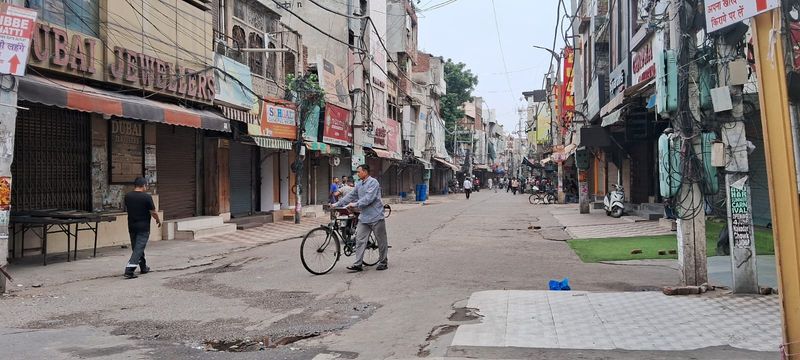
Jalandhar's 'Jhota Marg' Protests: A Complex Dialogue on Punjab's Current State
This report, prepared by the My Healthy Punjab analysis team, offers a deep and comprehensive study of the current situation in Jalandhar district. Recent incidents in Punjab, particularly protests and road blockades associated with 'Jhota,' have challenged both the morale of the local populace and the administrative readiness. This is not merely a news report; it reflects the socio-political pulse of Punjab, palpable in every corner.
Background and Core Causes of the Incident
The roots of this situation cannot be confined to any single event; rather, it mirrors the complex socio-political environment of Punjab. Protests related to 'Jhota' or similar issues always bring to light a major point of friction where people express their demands and anger through demonstrations. According to The Tribune, the current incident has generated an atmosphere of widespread discontent. Historically, whenever a major economic or political crisis hits Punjab, public protests adopt a discernible pattern.
The primary drivers are not just this specific event, but also several unresolved issues such as economic hardship, unemployment, and agricultural distress. These demonstrations act as a 'trigger,' bringing latent tensions to the surface, which makes the current situation highly sensitive. The visible participation of civil servants and common citizens during these protests points to a large collective sentiment.
Ground Reality and Key Details
The ground reality on site clearly indicates a significant level of tension. When protests are continuous, even the local law enforcement agencies have to reassess their limitations on a larger scale. The Tribune reports that this incident has elicited a 'mixed response,' meaning there is no uniform pattern between public anger and restraint. The road blockades have severely impacted transportation, causing temporary disruption in the district's commercial hubs.
This is not just a one-day event; it is an ongoing dialogue of Punjabi society where tension surfaces between the administration and the general public. Although no specific figures are provided, it is clear that the current level of strain has transformed into a complex network of law enforcement vigilance and public resentment. Even without major violent clashes, a tense atmosphere persists on the roads, one that could escalate at any moment.
Impact on Punjab's Districts and General Public
Jalandhar holds regional significance in Central Punjab, and its situation affects trade and daily life across the entire state. For farmers, this instability can lead to a slump in local markets because road blockades impede the movement of produce to the markets. It is also a concern for youth and students, as their daily means of travel are affected.
From an economic standpoint, Jalandhar is a major commercial center. Such protests not only halt traffic but also shake the confidence of shopkeepers regarding how long it will take for normal life to resume. Therefore, this becomes less about a mere 'protest' and more about disrupting Punjab's economic routine. People want their lives to return to normalcy, but due to such situations, they find themselves struggling with both protests and administrative structures.
Government Statements and Administrative Action
When such a situation arises, immediate government statements are necessary. The administration's primary goal is to restore peace and maintain law and order. In conclusion, it can be assumed that the administration has made thorough preparations, but addressing the emotional and political concerns of the people cannot be done merely through police action.
Following such an incident, governments usually reiterate their readiness to control any violence strictly. However, experts emphasize that what is needed at this stage is not just legal action, but a policy intervention that reaches the root of the conflict. The administration needs to enhance dialogue with the people so that their anger can be properly mapped and channeled into legitimate means.
Expert Opinions and Future Analysis
Sociologists and political analysts view this incident as part of Punjab's 'reactionary culture.' Experts suggest that when people lack better economic alternatives, they resort to the easiest and most visible medium for expressing their anger (such as road blockades or protests). This is a 'voice,' no matter what form it takes.
Analyzing the future, we see that Punjab needs a way to present its demands in an organized and structured manner. If the administration continues to focus only on legal responses, it will further heighten the emotional dialogue among the people. Therefore, a balanced approach—combining administrative readiness with social listening—is essential. Unless there is a mechanism established through which the voice of the people can be heard by the government machinery, the risk of such incidents recurring remains high.
Key Takeaways and Q&A for General Citizens
What should general citizens keep in mind during this tense atmosphere? The first and most crucial point is 'Awareness.' Before participating in any protest or large gathering, gather information only from verified news sources. Misinformation and fake news can escalate the situation further.
❓ Asked: Should common people stay away from protests? ✅ Answer: Although the situation may seem under control, it is best to remain safe and follow any updated directives issued by the administration if you are unsure of what is happening.
❓ Asked: How can business owners operate during this time? ✅ Answer: Stay in contact with local authorities and representatives to get information on alternate routes. To prevent damage to commerce, people must cooperate and maintain coordination with the administration.
Finally, it is crucial to remember that Punjab's strength lies in the patience and cooperation of its people. Any conflict can only be resolved through peace and understanding.

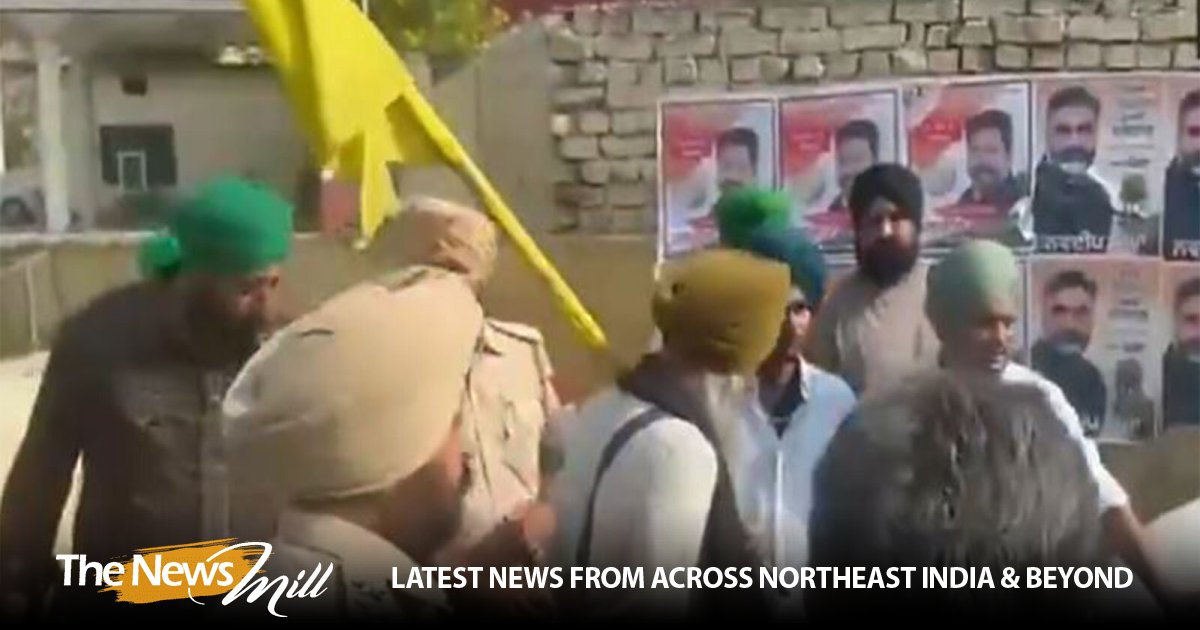
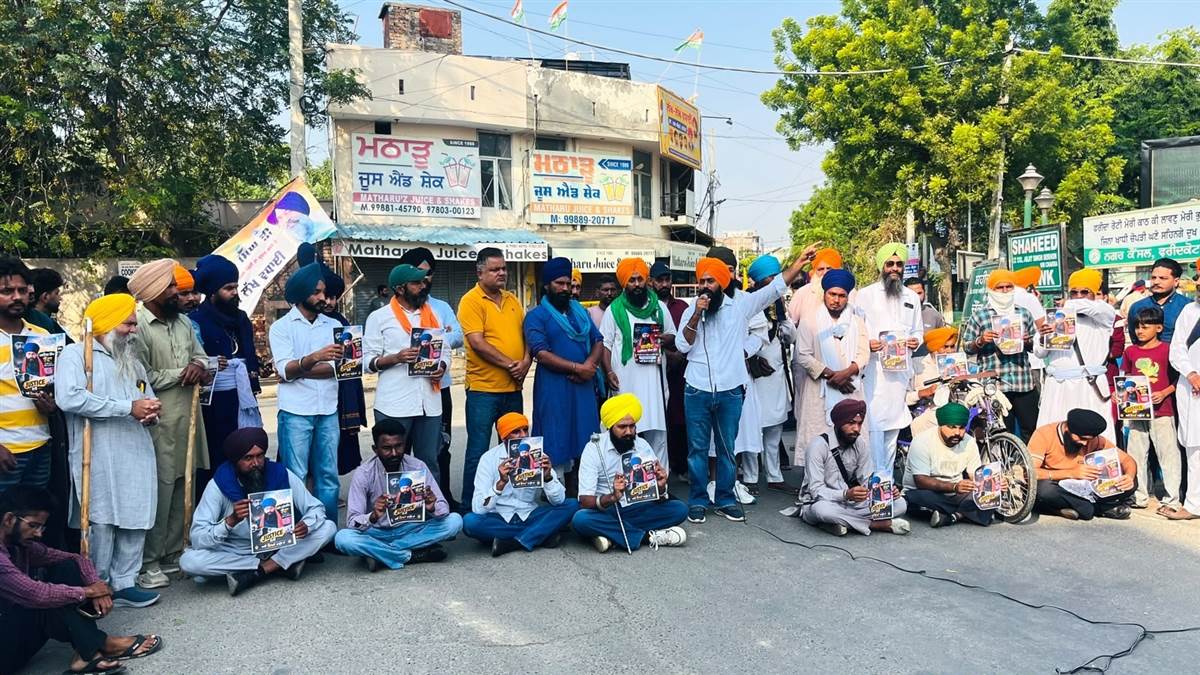
💬 ਪਾਠਕਾਂ ਦੀਆਂ ਟਿੱਪਣੀਆਂ / Reader Comments 0
ਆਪਣੇ ਵਿਚਾਰ ਸਾਂਝੇ ਕਰੋ। ਕੋਈ ਲੌਗਿਨ ਜ਼ਰੂਰੀ ਨਹੀਂ!
ਸਭ ਤੋਂ ਪਹਿਲਾਂ ਆਪਣੀ ਰਾਇ ਦਰਜ ਕਰੋ!
ਬੀ ਰਹਿਓ ਪਹਿਲੇ ਟਿੱਪਣੀਕਾਰ (Be the first to share your thoughts).