

Pattiala’s Green Wave: 22 Farmers Honored as 'Environmental Guardians' for Rejecting Stubble Burning
(A Special Report by My Healthy Punjab)
Background and Key Drivers
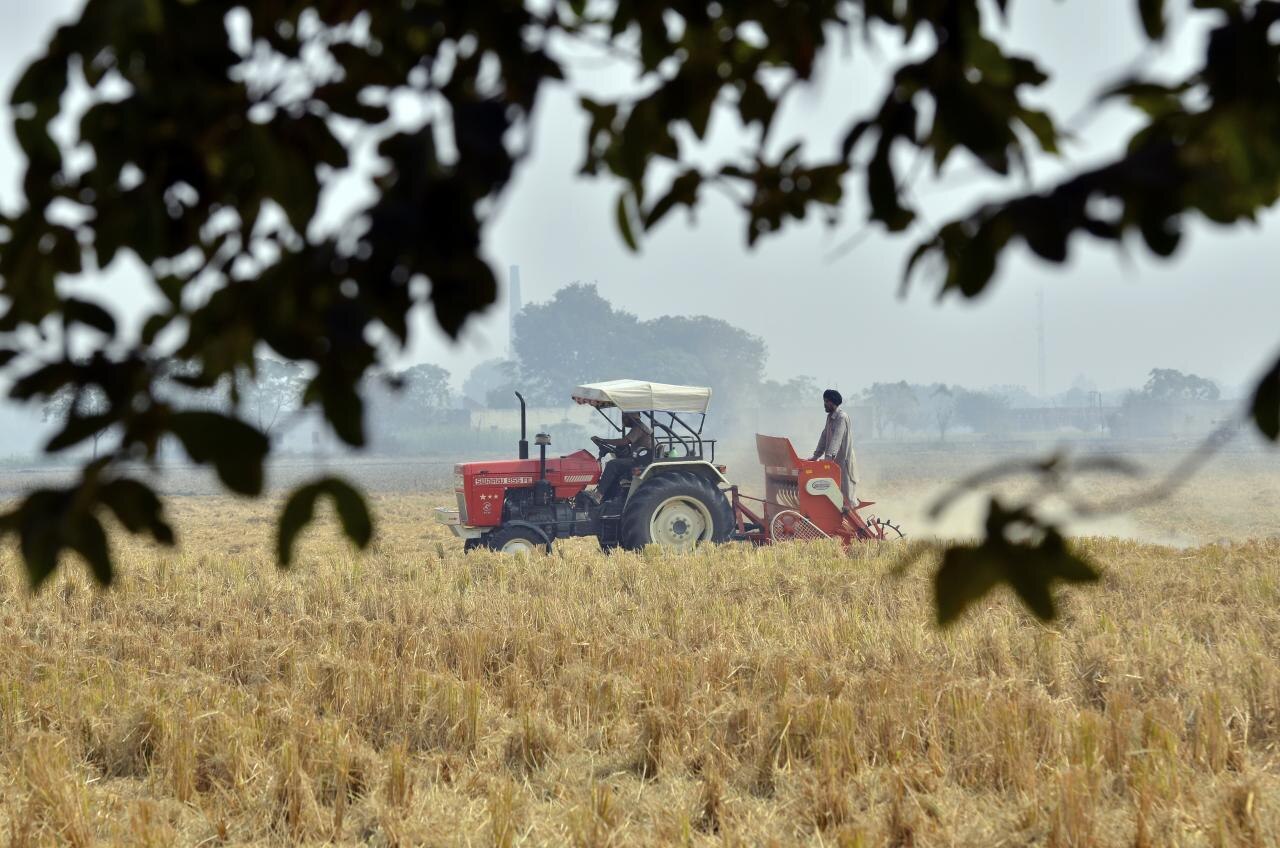
Punjab, a region renowned across India for its agricultural prowess, is currently facing a severe environmental crisis. This crisis stems from the practice of burning 'stubble'—the residue left after harvesting wheat and paddy crops in the fields. This annual ritual becomes a major contributor to air pollution across border regions, leading to devastating smog conditions.
Against this backdrop, a positive development has occurred in Patiala district, one that has not only raised farmer awareness but also set a new precedent through recognition. Twenty-two farmers were honored for adopting sustainable methods instead of burning their field residue. This award is more than just an accolade; it reflects the commitment of Punjab's agricultural department and its social responsibility.
Ground Reality and Key Details
According to information provided by The Tribune, this recognition is not part of a formal ceremony but rather a component of an awareness campaign involving administrative bodies and regulatory institutions. The selection of these 22 farmers was based on their decision to adopt decentralized and eco-friendly practices instead of burning the field waste. This is a significant indicator that government efforts and awareness drives are reaching the grassroots level.
This honor signals that an 'Environmental Guardian' is not a formal title but rather a sentiment embodying responsible citizenship and farming ethics. It is expected to inspire other farmers to take initiative in conserving natural resources. This issue transcends mere agriculture; it is an environmental concern tied directly to Punjab’s future, demanding understanding from every individual.
Impact on Punjab's Districts and General Public
The greatest impact of such awareness spans both rural farming communities and urban residents. While the strategy of stubble burning has been practiced for centuries, this recognition sends a powerful message to the public: change is possible. For farmers, it presents a dual economic and environmental opportunity—using the residue not just as waste, but as bio-mass or an income source for livestock.
For urban dwellers, the connection is with health. Respiratory illnesses are rising due to air pollution, and witnessing such improvements by farmers will prompt the general public to demand more from both the government and agricultural departments. This will place positive pressure on Punjab's healthcare system as well.
Government Statements and Administrative Action
Such recognitions often serve as a mechanism to translate governmental policies down to the local level. When such an administrative action is taken, it signals increased monitoring in the concerned area and provides farmers with better alternatives. Such steps by the Punjab government can be seen as an attempt to incentivize farmers to adopt new agricultural models through rewards and honors. This move aims to foster a sense of 'self-regulation' within the state.
Expert Opinion and Future Analysis
Environmental scientists view this event not merely as an 'incident,' but as the beginning of a large-scale 'Pattern Shift' for Punjab. It proves that when people receive positive reinforcement on a psychological level, they are ready to adopt new habits. In the future, this awareness cannot be confined to Patiala; it must be linked to all districts and different agricultural seasons.
Furthermore, at the governmental level, it is crucial that better and affordable technologies (like balers or machinery) become accessible for proper stubble utilization. The honor is a beginning, but sustained government support is what can solidify it into a permanent norm.


💬 ਪਾਠਕਾਂ ਦੀਆਂ ਟਿੱਪਣੀਆਂ / Reader Comments 0
ਆਪਣੇ ਵਿਚਾਰ ਸਾਂਝੇ ਕਰੋ। ਕੋਈ ਲੌਗਿਨ ਜ਼ਰੂਰੀ ਨਹੀਂ!
ਸਭ ਤੋਂ ਪਹਿਲਾਂ ਆਪਣੀ ਰਾਇ ਦਰਜ ਕਰੋ!
ਬੀ ਰਹਿਓ ਪਹਿਲੇ ਟਿੱਪਣੀਕਾਰ (Be the first to share your thoughts).