
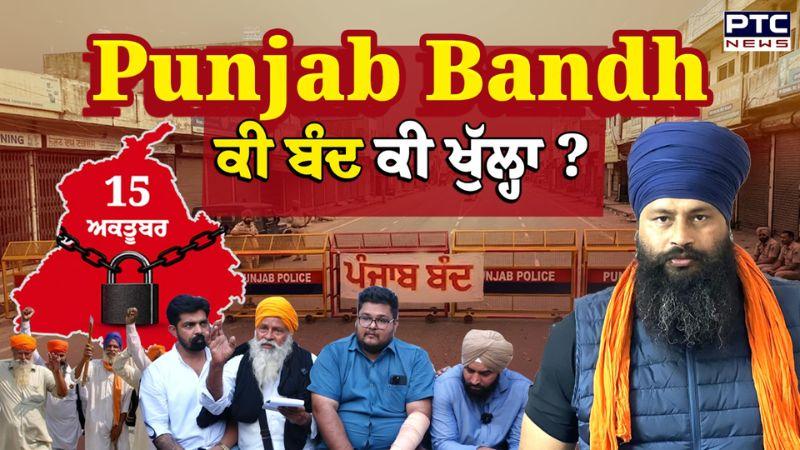
Background and Core Reasons: The Need and Status of Protests
When a 'bandhara' (protest or shutdown) is called in Punjab, the daily routine feels like it grinds to an immediate halt. This situation doesn't just affect roads and traffic; it deeply impacts businesses reliant on daily income and essential public services. Sources like PTC News attempt to guide ordinary citizens through this crisis by providing accurate information. Often, these protests stem from widespread citizen demands or administrative tensions regarding a major issue. Consequently, local movement can be restricted.
In such scenarios, it becomes crucial for every citizen to remain prepared to navigate any disruption. Government and media coverage attempts to clarify the traffic rules and which essential services will *not* cease operations. Therefore, monitoring official government announcements before any major demonstration or shutdown is considered a safe practice. This information isn't speculative; it is based on administrative statements and the ground reality of the situation.
Ground Reality & Key Details: Which Services Will Remain Operational?
The most critical aspect is how essential services are maintained. When a shutdown occurs, people's biggest fear is whether their daily necessities will be met. Looking at the details, it is clear that certain sectors and services must continue operating according to existing regulations. For instance, pharmacies dealing with medicines, and emergency services like ambulance stations, cannot be shut down under any circumstances. These are areas requiring caution before any administrative action is taken.
As highlighted by sources like PTC News, they emphasize that facilities linked to public safety and well-being cannot be completely halted. Consequently, the District Administration issues a specific guideline. This doesn't just limit itself to government offices; it includes essential destinations for the general public. Therefore, citizens must proactively ascertain how arrangements have been made in their area and remain updated through local sources.
Impact on Punjab's Districts and Citizens: Economic and Social Life
Punjab, considered a hub for agriculture and trade, sees its entire economic cycle impacted by any protest. The biggest effect is felt in markets and railway station areas, which are centers of commercial activity. This is particularly vital for farmers, as stalled movement prevents produce from reaching the mandis (markets) on time. This not only causes a loss of income but also disrupts the agricultural cycle.
The impact extends deeply to student life. The disruption in daily commuting affects educational regularity. Therefore, during any major demonstration, students should consult their teachers and institution management regarding alternative arrangements. It is crucial for citizens to understand the implications for local livelihoods or sources of income so they can plan their personal and family finances.
Government Statements and Administrative Action: Adhering to Rules
When discussing any regional disruption or shutdown, paying close attention to statements issued by government officials and ministers is mandatory. These statements are the legally acceptable sources of information. Administrative actions are generally managed by the Police Department, working in coordination with local authorities. When media outlets like PTC News report what is open and what is closed, it means they have compiled directives issued by the administration.
Administratively, efforts are made to ensure that essential public services continue operating alongside security measures. Thus, block medical camps or general administrative centers designated as 'essential' by the Police Department are ensured to remain safe. It is vital for citizens to remember that every piece of official announcement must not be mixed with rumors; it must only be sourced from confirmed outlets.
Expert Opinion and Future Analysis: Crisis Management
Social Psychologists and legal experts view this situation through the lens of 'Crisis Management.' They point out that during protests, people experience heightened stress and a sense of uncertainty. Therefore, local governments must not only manage security but also maintain public peace and confidence. Experts emphasize that after any major unrest, maintaining coordination at the local level is difficult, necessitating long-term planning.
Looking ahead, this situation demands an improvement in Punjab's grassroots administrative structure. If such crises are to be faced continuously, a Single Point of Contact Helpline should be established where citizens can immediately inquire about which services are running in any given area. This is an analytical suggestion that could make government management more robust and reduce the impact of misinformation.
Essential Points & FAQ for Citizens: A Local Guide
As a general citizen facing a protest in Punjab, remembering these four points is crucial. First, keep an 'Emergency Kit' ready containing dry food and essential medicines for at least 24 to 48 hours. Second, rely only on official messages issued by the local administration; ignore emotional social media posts. Third, if you plan to visit a specific business or government office, inquire beforehand about its operational hours from locals. And fourth, until the situation stabilizes, minimize non-essential travel.
Q: Will banks remain open during a shutdown? A: This depends on the situation, but generally, essential ATMs and main government bank branches try to operate. Carrying cash is best for transactions as electronic systems can fail.
Q: Will emergency services run during a shutdown? A: Yes, ambulances and fire services are given the highest priority. These services usually do not shut down.

💬 ਪਾਠਕਾਂ ਦੀਆਂ ਟਿੱਪਣੀਆਂ / Reader Comments 0
ਆਪਣੇ ਵਿਚਾਰ ਸਾਂਝੇ ਕਰੋ। ਕੋਈ ਲੌਗਿਨ ਜ਼ਰੂਰੀ ਨਹੀਂ!
ਸਭ ਤੋਂ ਪਹਿਲਾਂ ਆਪਣੀ ਰਾਇ ਦਰਜ ਕਰੋ!
ਬੀ ਰਹਿਓ ਪਹਿਲੇ ਟਿੱਪਣੀਕਾਰ (Be the first to share your thoughts).