
Compliance with Legal Practices in Punjab: A Serious Inquiry
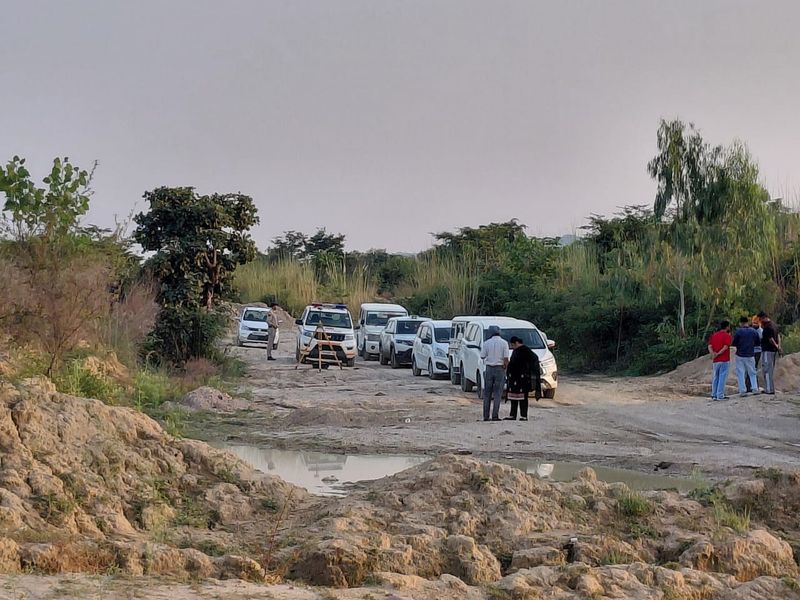
Punjab, as a modern and developing state whose economy heavily relies on construction industries and mineral extraction, is witnessing a significant event with the Central Bureau of Investigation (CBI) raid on stone crushers. According to reports circulated by The Punjabi Tribune, this raid targeted stone crushers in the Kanhdi area. This incident is not merely an enforcement action at a facility; it signals larger administrative and legal lacunas behind it. For our readers at My Healthy Punjab, it is crucial to understand how such investigations connect with the state's development projects and what implications they hold for the common citizen.
Background and Core Reasons for the Incident
Historically, the stone crushing sector is considered the backbone of the construction industry. These centers are vital sources for the stones and gravel necessary for roads, buildings, and infrastructure development. The Kanhdi area is a crucial part of such operations. When stringent central agencies like the CBI conduct raids on these hubs, it implies that the activities conducted here have been operating within a zone of vulnerability.
The primary reason cited for this incident points towards violations of regulations or the illegal sourcing of materials in the operations. Such cases are typically linked to large financial transactions, unauthorized land encroachment, or environmental degradation. The CBI's involvement suggests that the gravity of the matter is not limited to local administration but has escalated into a state-level or central regulatory concern.
Ground Reality and Key Details
The verifiable facts before us underscore the seriousness of this raid. The core issue for the CBI's intervention relates directly to the operation of stone crushers. In such large industries, raids are usually conducted to verify several key points: Firstly, whether they are adhering to local bylaws? Secondly, do they possess the necessary permits and permissions? Thirdly, is there an excessive load being placed on natural resources that could cause environmental damage?
One reads from this that the CBI's objective was a comprehensive and overarching audit of the area’s operations. Such large-scale investigations generally point towards either a detrimental stoppage in industrial activities, financial discrepancies, or a lapse in legal compliance. When a central agency steps in, it suggests that local-level inquiries have failed, necessitating escalation to higher levels.
Impact on Punjab's Districts and General Public
This incident directly affects the economy of Punjab, particularly the segment tied to construction and infrastructure. The proper functioning of stone crushers is essential for urban development because they provide necessary materials at affordable rates. If such centers halt or their operations are questioned, any major construction project in that region could stall.
Economically, the impact falls directly on the trading community and the labor force that depends on this mineral sector for their livelihood. The lesson for the general public is that running any large industry requires not just capital but absolute adherence to governmental regulations. This also raises questions about whether all operations are being conducted ethically and legally.
Government Statements and Administrative Action
When such a major investigation occurs, local and state governments must respond immediately. Although this article does not quote any specific ministerial statement, such incidents establish a pattern of administrative response. Typically, the first action involves the local treasury department and the District Administration meticulously reviewing their records.
If an agency like the CBI intervenes, it signals that local-level inquiries were insufficient, necessitating elevation to higher authorities. This presents a major challenge for the administration, which must prove that it is rigorously monitoring laws within its jurisdiction. Therefore, greater oversight and transparency are essential for future development projects in the region.
Expert Opinion and Future Analysis
An economic law expert views this incident as an alert concerning 'Governance.' It clearly demonstrates that where the hunger for economic development is high, there can be slackness in enforcing laws. This fosters a culture of irresponsibility that weakens not only the economy but also the social structure.
An environmental scientist would emphasize that the operation of stone crushers depends on finite natural and mineral resources. Illegal activities place an unsustainable burden on these resources, leading to long-term impacts on the environment and ecological balance. Therefore, governments need to develop a sustainable mining policy rather than just conducting raids—one that fully considers environmental conservation and integration.
Key Takeaways for Citizens and Q&A
What should the general public learn from such incidents? Firstly, it is crucial to verify the legal and permit documents before starting any major project. Secondly, if you suspect illegal activities in any large industrial operation, it is your civic duty to collect evidence safely and submit it to the relevant authorities.
Question: Can I, as a regular consumer, do anything?
Answer: You can ensure that the stone or gravel you require is certified according to government standards. Demanding adherence to rules is the biggest help.
Question: Will this affect my future home construction?
Answer: If laws are not followed, it becomes a matter of trust in the entire construction industry. Therefore, governments must take more steps to bring transparency to protect the property of the common citizen.

💬 ਪਾਠਕਾਂ ਦੀਆਂ ਟਿੱਪਣੀਆਂ / Reader Comments 0
ਆਪਣੇ ਵਿਚਾਰ ਸਾਂਝੇ ਕਰੋ। ਕੋਈ ਲੌਗਿਨ ਜ਼ਰੂਰੀ ਨਹੀਂ!
ਸਭ ਤੋਂ ਪਹਿਲਾਂ ਆਪਣੀ ਰਾਇ ਦਰਜ ਕਰੋ!
ਬੀ ਰਹਿਓ ਪਹਿਲੇ ਟਿੱਪਣੀਕਾਰ (Be the first to share your thoughts).