
Background and Core Rationale
Commercial activities are the backbone of any region, and for a developing state like Punjab, Small and Medium Enterprises (SMEs) have long been the primary engine of economic growth. For too long, shopkeepers—both new and established—have faced legal, administrative, or operational hurdles in their daily work environment. This situation not only impacted their income but also eroded their business confidence. In light of this disorder and continuous public grievances, the government has developed a comprehensive platform named 'Meri Dukan-Mere Naam' scheme.
The primary objective of this scheme is not merely to distribute benefits, but to enact a systemic overhaul of the trade structure. Previously, such efforts were fragmented and sector-specific, leading to gaps in coverage. Consequently, there was a felt need for an integrated effort at the governmental level, culminating in the major announcement that 8,500 businesses will receive direct benefits. This is a comprehensive undertaking linked to administrative and economic restructuring.
Ground Reality and Key Details
The figures presented clearly illustrate the sheer scale of this initiative. The most significant statistic is that 8,500 shopkeepers will benefit under the 'Meri Dukan-Mere Naam' scheme. This count is not just an administrative formality; it represents a concerted government effort to strengthen Punjab’s commercial lifelines. Furthermore, the scheme includes resolving 7,000 pending grievances. This brief report suggests that the work involves more than just disbursing funds; it also entails creating a transparent environment by rectifying administrative bottlenecks.
From a journalistic perspective, these figures highlight a dual success: on one hand, a large number of people (8,500) are receiving direct aid, and on the other, a massive administrative task (resolving 7,000 complaints) is being accomplished. This indicates that this is not piecemeal effort but an organized and comprehensive project aimed at boosting overall business confidence.
Impact on Punjab's Districts and General Public
Punjab, recognized both for its agriculture and as a major commercial hub, sees its shopkeepers as direct reflections of the state's economic dynamism. The businesses that will benefit from this scheme will not only sustain themselves but also stabilize the local economic flow for their families and communities. From farmer markets to urban bazaars, this scheme has the potential to impact every level.
For the general public, this translates into a sense of security within the commercial environment around them. Where previously a shopkeeper might face an administrative hurdle, now there is a guarantee of resolution through this scheme. This directly improves people's standard of living and boosts their confidence that the government is mindful of their interests. Consequently, it signals an expected rise in overall local demand, which will ultimately benefit all residents of Punjab.
Government Statement and Administrative Action
This announcement is part of a continuous wave by the government to strengthen the commercial sector. When such statements are made, they are not just words; they are backed by a detailed administrative plan. The mention of resolving 7,000 complaints suggests that the relevant departments have worked with a large database and tracking mechanism. Therefore, the government has announced not just results, but an entire organized process.
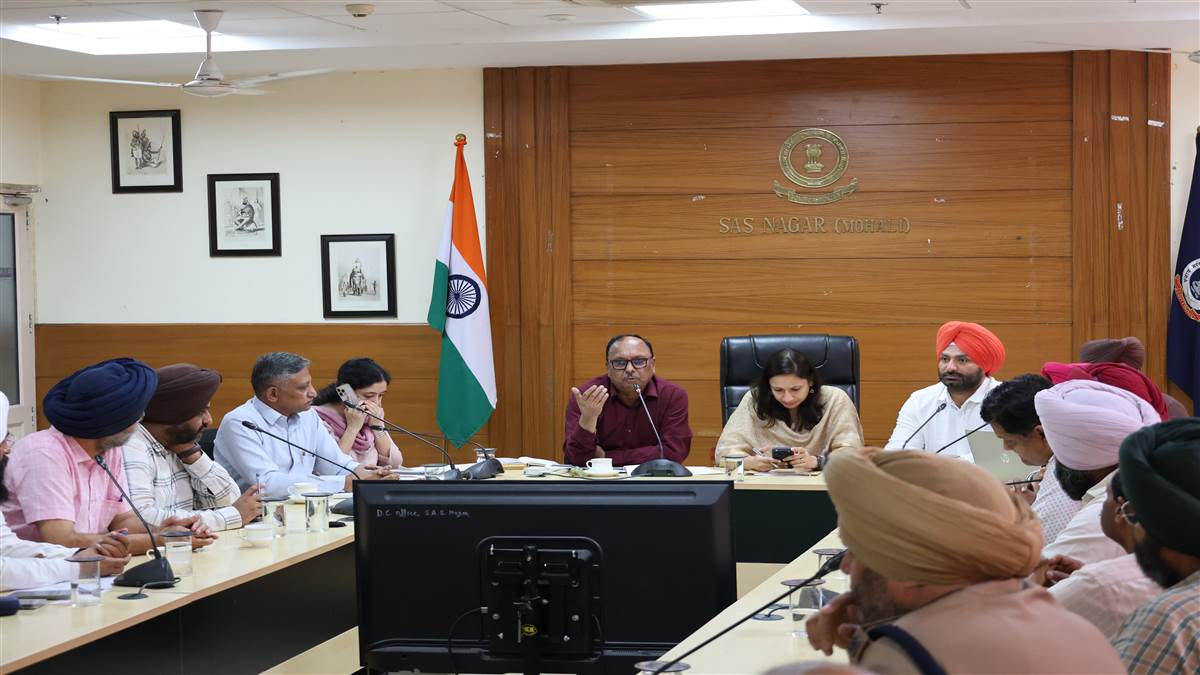
Working on this scale requires extensive collaboration between ministers and district administration. This means various departments—such as Punjabi language promotion, legal affairs, and economic wings—have brought their efforts together towards a common goal: 'Meri Dukan-Mere Naam.' This reflects governmental coordination, which builds a robust framework for future business success.
Expert Opinion and Future Analysis
Experts in the e-commerce space view this step as a positive signal. They suggest that the scheme should not be limited merely to benefit distribution but must evolve into a self-sustaining system. Experts believe that if this success model is regularly implemented across Punjab's entire SME sector, it can transform the state’s economic landscape.
Future analysis suggests that such platforms must be integrated with digitization. If the data of 8,500 businesses is accurately mapped online and they are provided opportunities for online transactions, the scheme's potential will multiply significantly. This is 'Phase 1'; subsequent phases should incorporate skilling and market deepening so that it does not remain confined to mere handouts.
Key Takeaways and Q&A for Citizens
How can the general public utilize this information? The first and most crucial takeaway is that any trader must stay connected with this scheme. They should keep their documents ready and monitor the official government portal closely. Any update from the local administration must be given serious attention.
For a complete picture, if a shopkeeper feels that one of their complaints has not been addressed, they should inquire directly through the central helpline number or the District Commissioner's office under this scheme. This is not a one-time handout but a continuous administrative dialogue. The public must also realize that for such schemes to succeed, ensuring the security and adherence to rules for the beneficiaries is vital so that benefits reach everyone genuinely.




💬 ਪਾਠਕਾਂ ਦੀਆਂ ਟਿੱਪਣੀਆਂ / Reader Comments 0
ਆਪਣੇ ਵਿਚਾਰ ਸਾਂਝੇ ਕਰੋ। ਕੋਈ ਲੌਗਿਨ ਜ਼ਰੂਰੀ ਨਹੀਂ!
ਸਭ ਤੋਂ ਪਹਿਲਾਂ ਆਪਣੀ ਰਾਇ ਦਰਜ ਕਰੋ!
ਬੀ ਰਹਿਓ ਪਹਿਲੇ ਟਿੱਪਣੀਕਾਰ (Be the first to share your thoughts).