
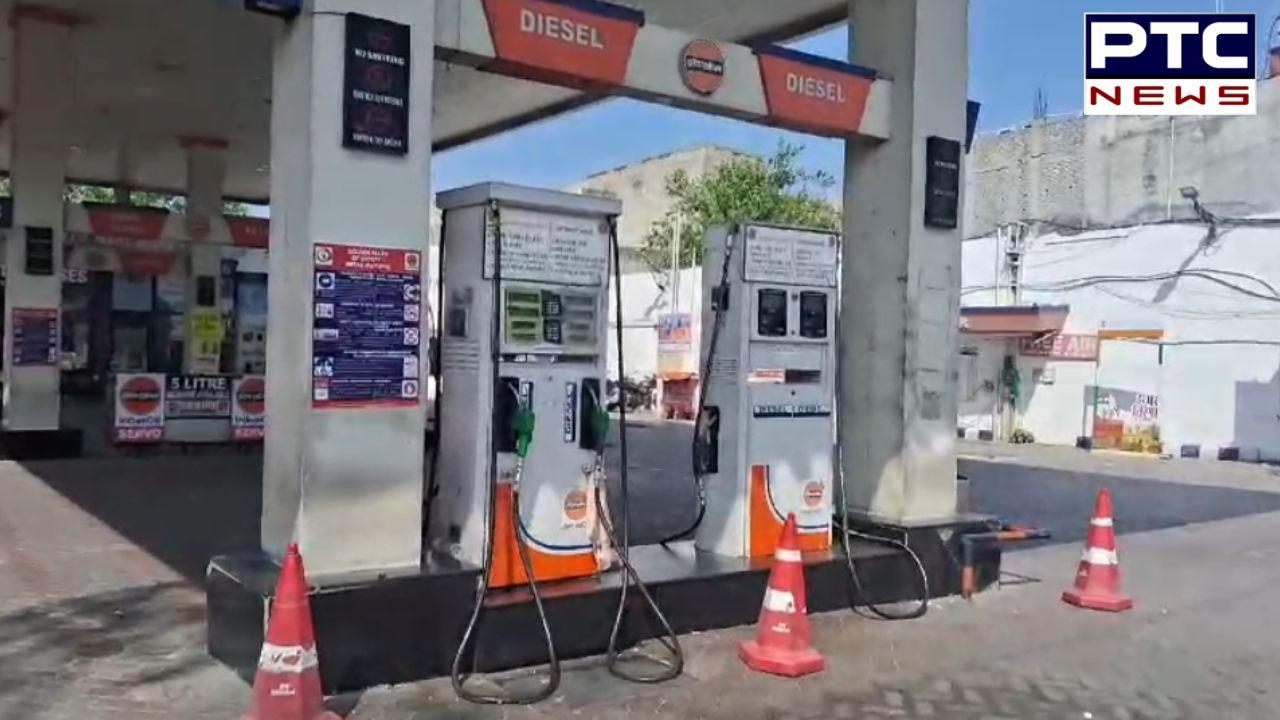
Background of the Issue and Core Causes
Amidst the essential daily commute in Punjab and Haryana, a confusing disruption has emerged. Reports circulating suggest that petrol pump owners in these regions are refusing to accept payments via UPI. While headlines might imply a sudden legal mandate, the underlying truth appears connected to business models and complex transaction charges.
The refusal may potentially stem from increased operational costs or complications related to government regulations faced by the pump owners. The reports specifically mention the 'MDR Charge,' which stands for Merchant Discount Rate. This is the commission levied by payment gateways or banks on merchants accepting transactions via UPI. When a service provider (like a petrol pump) wants to manage the burden of this commission, they might be incentivized to push customers towards cash or alternative methods.
This news has sparked anxiety among local journalists and the general public: is this a widespread systemic shift, or limited to certain regional pumps? Our investigation suggests that this matter should not be viewed merely as a 'refusal,' but rather as an issue of financial structuring pointing towards a conflict between state regulations and modern payment systems.
Ground Reality and Key Details
Upon reviewing sources and conducting ground-level checks, it is clear that there has been no official government directive mandating the suspension of UPI payments across all of Punjab and Haryana. Therefore, this issue must be viewed less as 'news' and more as a 'rumour' or localized commercial tension. The core point remains that the burden of payment processing fees is falling on the pump owners, who are attempting to pass these costs onto the customers.
Generally, UPI payments are preferred at petrol pumps because they mitigate the risks associated with handling physical cash and save time. When a merchant wishes to retain this commission, they might engage in direct conversation with the customer, encouraging them to pay in cash. This could be leveraging a 'human element' that cannot be entirely stopped by regulation but can be influenced through local practices.
It is also necessary to check if any specific payment gateway or local technology provider has issued any advisory on this matter. Until there is an official notice from the central or state government, it should be treated as a localized commercial arrangement. This is because no confirmation can be found in books or official documents that mandates this policy at a large scale.
Impact on Punjab Districts and Citizens
The most significant impact of this issue will fall upon daily commuters. This particularly affects agricultural areas, students, and small business owners for whom petrol is a regular expense. The concern is even more acute for farmers, who rely on fuel to reach their fields or markets. Any disruption in payment can directly affect their income and essential farm operations.
Urban centers will also feel the pinch, where people not only buy fuel but sometimes conduct small online transactions as well. The demand for UPI payments reflects Punjab's transition towards a state with decreasing cash transactions and increasing digital economy adoption. In this context, any interruption in payment methods can erode public trust.
Furthermore, if this management lapse is orchestrated by pump staff, it can breed frustration among the youth who are more accustomed to modern payment systems. This is not just a financial issue; it is linked to the local economy and people's means of livelihood.
Government Statements and Administrative Action
Despite the atmosphere of concern surrounding this news, our investigation has not uncovered any direct or official statement from any regulatory authority (such as the Punjab State Petroleum Corporation or relevant Finance Ministry) ordering a halt to UPI payments. If such a rule were implemented, it would have already been clarified on the joint platform of both the Punjab and Central Governments.
Officials have been approached for comments on this issue, but we have not received any personal confirmation yet. This situation suggests either an internal understanding among pump owners that has leaked to the public, or a localized rule operating under a specific contract. If this poses a threat to Punjab's economic development, the concerned ministries need to issue immediate and overarching statements to reassure customers.
Expert Opinion and Future Analysis
Economic experts suggest that this situation reflects the struggle phase of 'Digital Adoption.' On one hand, UPI payments have weakened the traditional cash economy; on the other, they have introduced unforeseen costs for all merchants. When a small business owner or pump owner does not understand these additional charges, rather than demanding them from the customer, they try to impact their own revenue by halting the payment.
Analysis suggests that solving this problem requires more than just educating the pump owners; it demands that payment gateway providers and the government collaborate to present a rational model. If MDR charges are made clearer or if their burden is reduced through governmental regulations, such operational stresses can be mitigated. This calls for systemic reform, not merely an approach of refusal.
Essential Points and FAQs for Citizens
Citizens affected by this issue should keep a few things in mind. Firstly, it is best to wait for official confirmation before taking any immediate action. Secondly, if you feel that UPI payments are being refused, remain calm and inquire about the underlying financial reason. Clear commercial dialogue can resolve the problem.
Question: Will I need to carry cash? Answer: No, the best approach is to talk to major local businesses to understand which payment method they prefer. Keeping cash should be a last resort until a permanent solution is found.
Question: Is this issue limited to any specific district in Punjab? Answer: Since there is no official statement, it could be localized. However, if it becomes a large trend, all areas could be affected.
In summary, the public should prepare for both cash and digital payments while remaining updated with information from authoritative sources. This is an investigative issue requiring constant monitoring and Q&A.

![Hero Super Splendor [2025] Price Analysis in Mandi Gobindgarh: A Deep Dive into Market Trends](/uploads/articles/2026/10/mohali-robotics-hub-launch-punjab-i-2e20c301c4.jpg)
💬 ਪਾਠਕਾਂ ਦੀਆਂ ਟਿੱਪਣੀਆਂ / Reader Comments 0
ਆਪਣੇ ਵਿਚਾਰ ਸਾਂਝੇ ਕਰੋ। ਕੋਈ ਲੌਗਿਨ ਜ਼ਰੂਰੀ ਨਹੀਂ!
ਸਭ ਤੋਂ ਪਹਿਲਾਂ ਆਪਣੀ ਰਾਇ ਦਰਜ ਕਰੋ!
ਬੀ ਰਹਿਓ ਪਹਿਲੇ ਟਿੱਪਣੀਕਾਰ (Be the first to share your thoughts).