
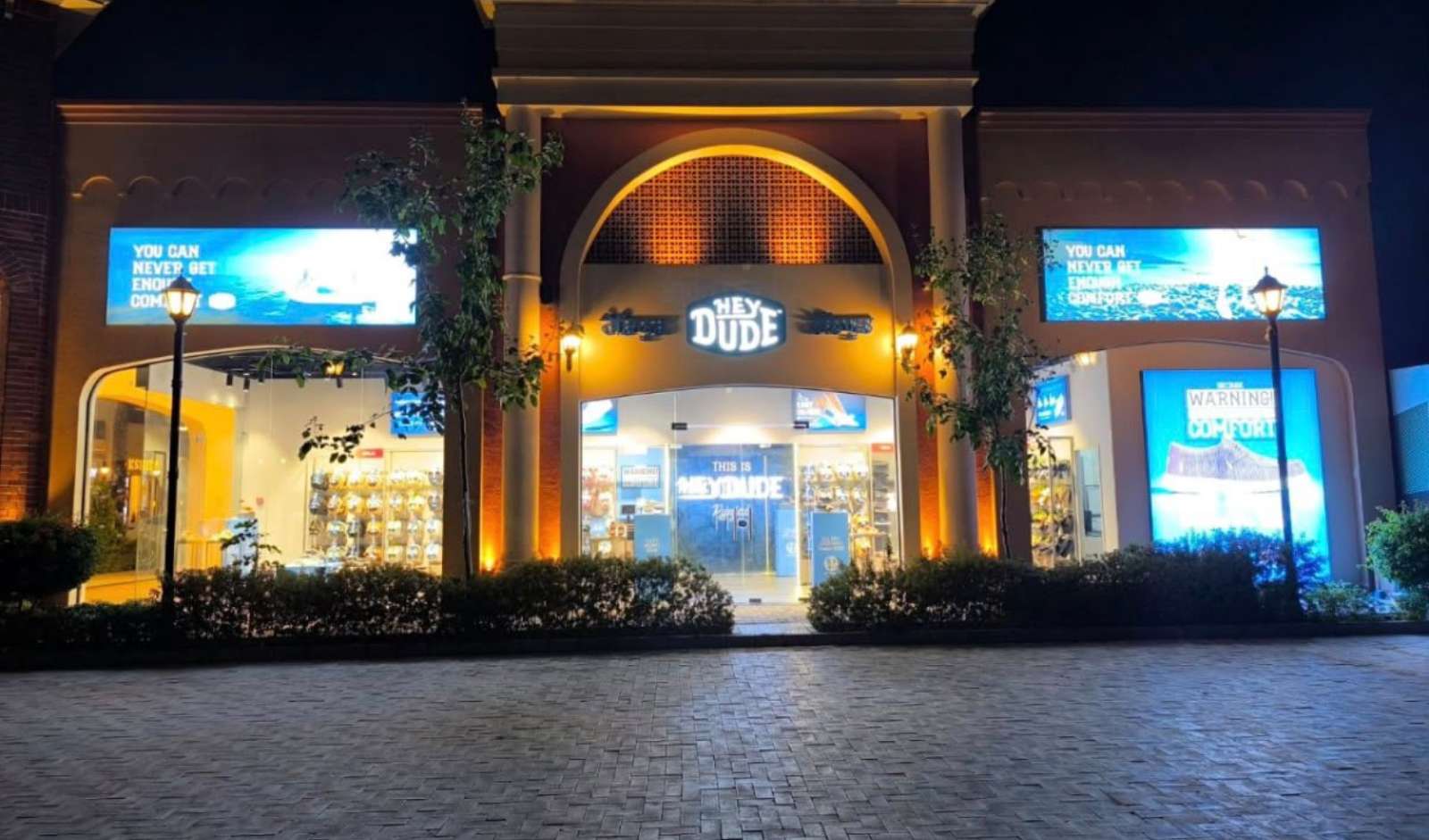
HEYDUDE's First Indian Store in Amritsar: What Will Be the Impact on the Retail Sector?
Background and Core Reasons
The current era is marked by the geographical expansion of global retail giants. While local and independent merchants continue to run their shops based on ethical foundations, large corporate entities are constantly trying to leave their mark in every corner to attract consumers. In this context, a significant development has emerged, painting a new picture for Amritsar's commercial hub: the establishment of a flagship Indian store by a prominent brand like 'HEYDUDE.'
This store is specifically located at Countryside in Amritsar, known for its modern retail complexes. This implies that the brand isn't just establishing a presence in one area; rather, it is targeting new consumer demographics and contemporary shopping habits. Historically, Amritsar’s commercial atmosphere is known for its unique blend—a confluence of old artisanal charm and new modernity. The entry of such a large brand has given this confluence a new dimension that warrants detailed discussion.
Ground Reality and Key Details
According to our research and local reports, this opening is a major corporate announcement. HEYDUDE setting up shop in such a large center suggests they are taking the Indian market very seriously. Local residents and merchants have shown a mix of excitement and apprehension regarding this launch. This is often a consequence of big brand entries, raising questions about whether it will harm local trade or stimulate overall growth.
Choosing a prime retail center like Countryside means the brand aims not only to capture foot traffic but also to attract a consumer segment that expects a grand and branded experience. Furthermore, this reflects the growing disposable income of Punjab's middle class and general populace. Our sources indicate that the inauguration saw significant crowds, proving its prominence. It is attempting to be more than just a shop; it aims to become a new consumer destination.
Impact on Punjab's Districts and General Public
Such large corporate entries have a mixed impact on local trade. On one hand, they can create new job opportunities—such as strategists, sales staff, and marketing personnel. This is a positive momentum for the local economy. On the other hand, traditional handicraft sellers or small boutiques might struggle to compete with the price-to-value model of large brands.
Especially for a historic and cultural area like Amritsar, this is a double-edged sword. While Punjab's artists and artisans sell their heritage goods, they face new pressure from expensive global brands. Therefore, it is crucial for Punjab's local artisans and small traders to put more emphasis on their marketing and branding so they can carve out a space in the larger market. This isn't just about money; it’s an issue of economic self-reliance.
Government Statements and Administrative Action
When such large-scale retail attractions enter a city, local governments and administrations must make policy decisions. Although no specific government statement has emerged regarding this particular incident, there is usually a model of management and oversight in such locations. We need to understand that from an Urban Planning perspective, efforts will be made to create a balanced space between massive corporate attractions and local trade.
Authorities must pay attention to establishing an impartial system for collecting taxes from large corporate establishments. If this development occurs, the government must take steps to distribute its benefits across the entire city—such as providing better infrastructure to local markets or offering new marketing training to traders. It is essential to ensure that foreign investment becomes a catalyst for the complete progress of the local economy, and not just a boon for select areas.
Expert Opinion and Future Analysis
Economic experts view such an arrival as a signal of 'Spread Commercialization.' Their analysis suggests that in the future, the blueprint of urban markets will continue to change. Large projects will focus on presenting new Customer Experiences. This means that merely selling goods will no longer be enough; people will demand an "Experiential Shopping" experience.
One key observation is that if local traders misunderstand this shift and fail to abandon their traditional methods, they risk falling behind. However, those merchants who manage to blend their heritage with a new branding touch—like merging local artistry with modern design—will be the most successful in this new era. In the future, Amritsar's commercial hubs will require a 'Hybrid Model,' where global brands and centuries-old Punjabi artistry are sold in harmony.
Essential Points and Q&A for Citizens
In this context, citizens should keep a few things in mind. The first point is that one should not blindly trust the pricing or promotions of any large corporate store. It is essential to understand the history and true value of every item. The second point is that shopping from local markets maintains a kind of "Economic Ecosystem," which it is our collective responsibility to preserve.
Question: Should I stop shopping from big brands? Answer: No, that's impossible. We need to strike a balance. It is necessary to decide 'where' and 'what' to buy. For items connected to heritage or local artistry, buy directly from local artisans. You can use large brands for modern goods with guaranteed quality. This demands a 'Collective Approach,' where all consumers must remain aware.
![Hero Super Splendor [2025] Price Analysis in Mandi Gobindgarh: A Deep Dive into Market Trends](/uploads/articles/2026/10/mohali-robotics-hub-launch-punjab-i-2e20c301c4.jpg)
💬 ਪਾਠਕਾਂ ਦੀਆਂ ਟਿੱਪਣੀਆਂ / Reader Comments 0
ਆਪਣੇ ਵਿਚਾਰ ਸਾਂਝੇ ਕਰੋ। ਕੋਈ ਲੌਗਿਨ ਜ਼ਰੂਰੀ ਨਹੀਂ!
ਸਭ ਤੋਂ ਪਹਿਲਾਂ ਆਪਣੀ ਰਾਇ ਦਰਜ ਕਰੋ!
ਬੀ ਰਹਿਓ ਪਹਿਲੇ ਟਿੱਪਣੀਕਾਰ (Be the first to share your thoughts).