
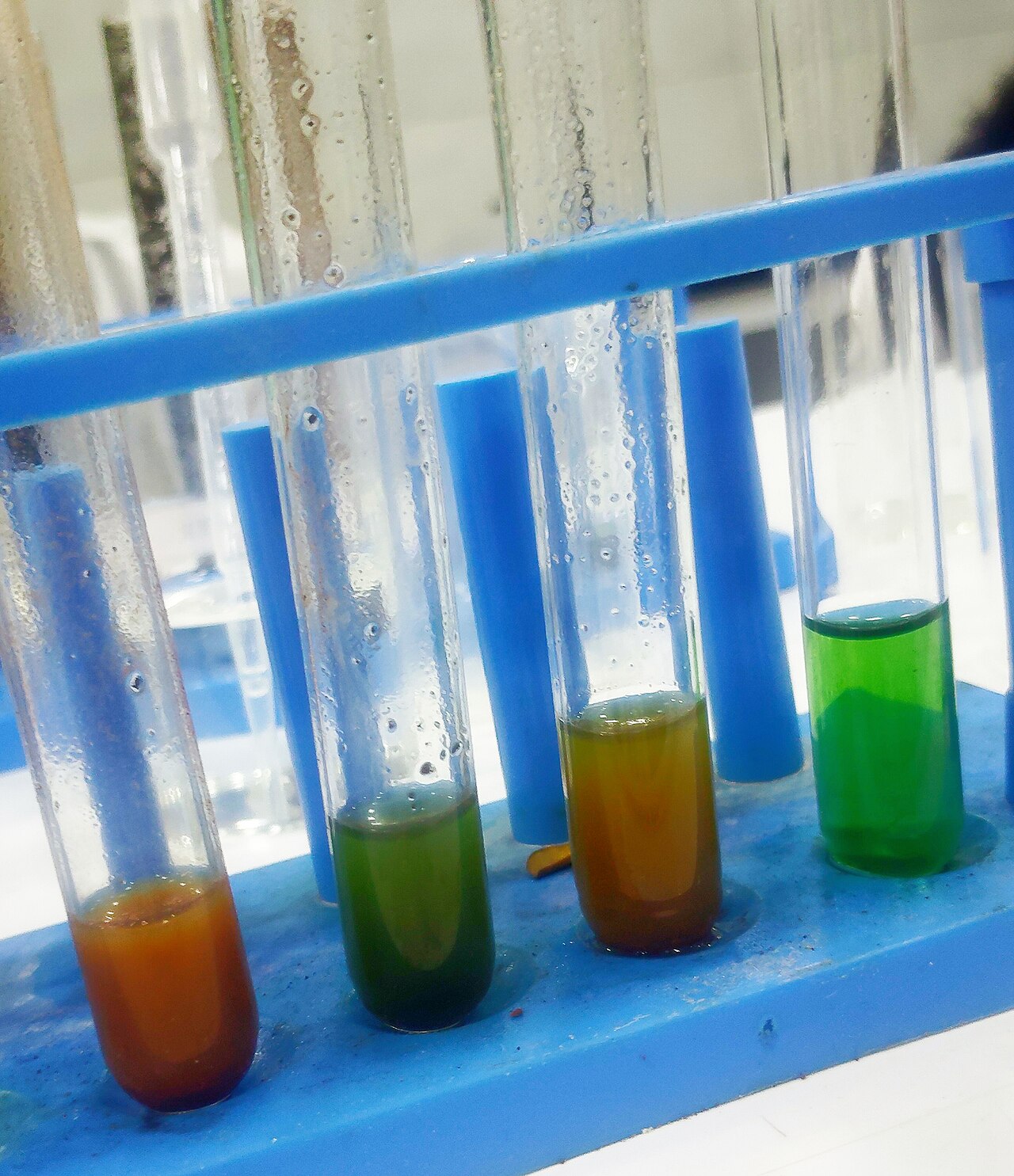
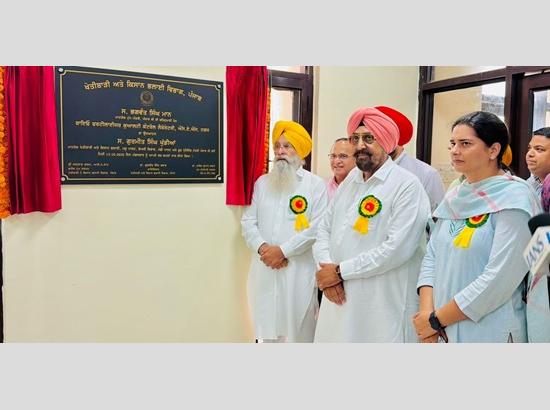
Opening of New Bio-Fertilizer Testing Lab in Mohali: A Crucial Step for Punjab's Agriculture Sector
Agriculture is the backbone of Punjab; its health is directly linked to the state's economic and social structure. Current agricultural science is witnessing a major shift towards organic and sustainable farming approaches. In this context, Mohali (SAS Nagar), a prominent regional hub in the state, has made a significant move that revitalizes local agricultural support. Recently, a specialized Bio-Fertilizer Testing Laboratory was inaugurated here, which will provide direct and scientific assistance to the regional farming community.
Background and Rationale for the Initiative
Punjab's agriculture has always maintained high productivity records, but there is a growing concern regarding the decline in soil fertility due to the continuous use of chemical fertilizers and pesticides. This situation has compelled governments and educated agricultural scientists towards a new approach—that of organic farming. Bio-fertilizers, which are based on living soil cells and natural elements, are considered a comprehensive remedy for this crisis.
The primary reason for establishing this lab in Mohali is to connect the region's agriculture with organically produced inputs that have been both traditionally and scientifically tested. With the arrival of this lab, farmers can be assured that any bio-fertilizer or manure available in the market is genuinely effective and of guaranteed quality. Previously, this process was quite complex, lacking specialized testing at the local level.
Ground Reality and Key Details
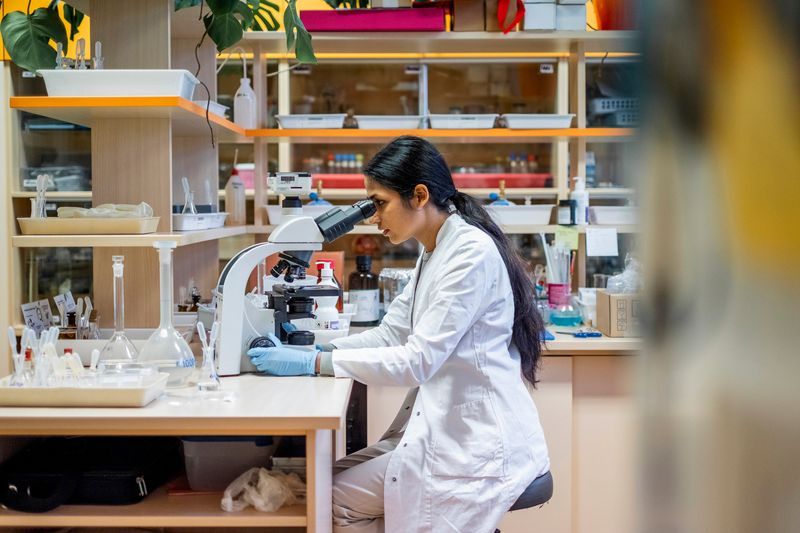
The inauguration of this new testing lab is not merely limited to a building or facility; it represents a progressive stage in agricultural science. This lab is equipped with advanced laboratory equipment capable of conducting deep analysis of soil and manures. It doesn't just give a 'yes' or 'no' decision; rather, it provides quantitative data on the count of beneficial microorganisms in a fertilizer and which nutrients they nourish effectively.
The type of studies conducted here clearly indicates that the government and the agriculture department are trying to prevent farmers from using substandard products, encouraging reliance only on tested inputs. This signals a shift aimed at reducing market misinformation.
Impact on Punjab's Districts and General Public
The direct impact of this lab will not be confined to Mohali. It establishes a model that can be replicated in other agricultural centers across Punjab. Since a large portion of the Punjabi population is connected to farming, this facility could prove to be a game-changer for the farming community.
Previously, farmers faced a major problem: when buying a new 'organic' product, there was no scientific proof of its actual efficacy. With this lab, farmers can make decisions based on an official certificate or test report. This will take agriculture towards a more scientific and controlled state, thereby increasing global market confidence in Punjab’s produce. Furthermore, it could open up new employment opportunities for youth related to testing and consultancy.
Government Statements and Administrative Action
The inauguration of such a facility is usually done under a large-scale plan by the State Government's Agriculture Minister or the District Administration. This means it is not an isolated step but part of a policy shift. Administratively, this strengthens the department’s ability to conduct market surveillance. Official statements emphasize that focus has been placed on both the health and income of Punjab's farmers.
This action makes it clear that the government is building a milestone towards chemical regulation while promoting organic products. This establishes a kind of 'Certification Standard,' which is beneficial for both farmers and consumers.
Expert Opinion and Future Analysis
Agricultural economists view this step positively, yet they also point out certain challenges. The first major question is whether this lab can meet the needs of all of Punjab? If its work remains limited to just one regional center, the coverage will be incomplete. Another crucial point is that farmers need necessary training and awareness campaigns on how to use this lab so they understand its importance.
Future analysis suggests that if this lab succeeds and operates strictly according to regulations, Punjab can achieve 'Traceability' standards in agriculture. This means farmers can prove where their product came from and which correct processes it passed through before reaching the market. This is a scientific destination for solving traditional agricultural challenges.
Key Takeaways and Q&A for General Citizens
In this context, both the common farmer and consumer can learn a few things from this lab. If you are a farmer, you should not take new products in the market at face value; it is essential to get them verified by a government or premier testing center. If you are a consumer, farmers should prioritize purchasing products linked to scientifically tested, new systems.
❓ Question: Can this lab test all types of manure? 💡 Answer: Its full scope needs study, but its objective is to ensure scientifically established quality. ❓ Question: Will it also test chemical fertilizers? 💡 Answer: Most centers focus on the organic aspect, but a comprehensive lab can test all elements.


💬 ਪਾਠਕਾਂ ਦੀਆਂ ਟਿੱਪਣੀਆਂ / Reader Comments 0
ਆਪਣੇ ਵਿਚਾਰ ਸਾਂਝੇ ਕਰੋ। ਕੋਈ ਲੌਗਿਨ ਜ਼ਰੂਰੀ ਨਹੀਂ!
ਸਭ ਤੋਂ ਪਹਿਲਾਂ ਆਪਣੀ ਰਾਇ ਦਰਜ ਕਰੋ!
ਬੀ ਰਹਿਓ ਪਹਿਲੇ ਟਿੱਪਣੀਕਾਰ (Be the first to share your thoughts).