

Background and Key Implications
Punjab, renowned as an agricultural powerhouse, boasts an educational system that has achieved global recognition. The Punjab Agricultural University (PAU) in Ludhiana is not merely an academic institution; it stands as a pivotal pillar for the development of agriculture in Punjab. Any major administrative change within this premier university directly impacts the state's agricultural economy and research endeavors. Recently, the news broke regarding the appointment of Dr. Harwinder Singh Dhaliwal as the Vice Chancellor (VC) of this esteemed university.
According to reports, this appointment was made by the Punjab Department of Education, suggesting that the university required a new administrative direction. The agricultural sector is undergoing constant transformation—facing issues like water scarcity, changing climate patterns, and the demand for novel crops. At such a time, the arrival of a fresh administrator assures stakeholders that the university is being equipped to tackle these complex challenges.
Historically, PAU has played an indispensable role in training Punjab's agricultural human resources. Therefore, the VC appointment is not just a routine administrative formality; it represents a crucial decision aimed at shaping the future trajectory of agriculture in Punjab. It is anticipated that this new administration will boost the university’s research and educational momentum, directly benefiting farmers and the broader Punjabi economy.
Ground Reality and Key Details
Information from major news outlets suggests that Dr. Dhaliwal's appointment is a comprehensive and well-planned administrative move. This implies more than just changing a name; it is intrinsically linked to sweeping institutional reforms. There was a recognized need for managerial strength to advance PAU’s academic and research wings, a void now filled by the new VC.
Such high-level appointments invariably redirect the university's operational focus. This suggests that in the coming period, greater emphasis can be placed on Research Centres and Start-up Incubators. Academics have also pointed out that the new administration must prioritize addressing Punjab’s existing economic hurdles related to agriculture, such as crop insurance and market linkage.
This appointment also signals that the government is attempting to channel the progressive changes occurring in the agricultural legislature into a credible academic platform. Consequently, Dr. Dhaliwal is expected not just to keep research confined to textbooks, but to translate it into actionable, ground-level implementation.
Impact on Punjab's Districts and General Public
A new administrative leadership at a major agricultural university directly influences every farmer, youth, and citizen across the entirety of Punjab. The primary and most significant impact will be seen in research-driven improvements. When the university strengthens, advanced knowledge regarding seed varieties, irrigation techniques, and localized solutions to pest resistance reach the fields of Punjab.
This means that starting from Ludhiana, these advancements can spread across agricultural hubs like Ropar, Mansa, and Bathinda throughout Punjab. For farmers, this translates into increased income and making farming more sustainable. For the youth, it can generate new employment opportunities—be it in Agri-Tech companies or as consultants.
The general public can take great hope from this development that the standard of agricultural education will improve, providing better knowledge and technology to the next generation of farmers. This is not just about one university; it could mark a new beginning for Punjab's entire agricultural economy, benefiting both employees and farmers alike.
Government Statements and Administrative Action
Such high-level appointments are invariably part of a larger Punjabi development plan by the government. While no specific statement has been released, this move reflects the Punjab government’s intent to overhaul its premier institutions. In such instances, it signals a coordinated and scholarly appointment from the Ministry of Education.
Administratively, the new VC will need to build robust relationships with all departments within the university. Therefore, several major meetings and directives for change can be expected in the coming days. This administrative action is not merely a naming ceremony; it is an effort to transition the university from its traditional structure toward a modern, research-oriented framework.
We believe the government expects this new setup to formulate a comprehensive 'Agri-Science Initiative' that links with Punjab’s current agricultural challenges, involving all stakeholders—farmers, researchers, and youth.
Expert Opinion and Future Analysis
Agricultural experts in Punjab view this appointment as a positive sign but also highlight certain challenges. According to analyzing experts, no new administration achieves immediate success; therefore, it requires methodical and careful work. It will be crucial for an academic background individual like Dr. Dhaliwal to integrate experiential knowledge regarding Climate Change.
Experts suggest that the future roadmap should not be limited only to traditional crops. Punjab needs to focus on 'Climate-Resilient Crops'—those requiring less water but yielding higher returns. The university’s research work can guide this direction, helping prepare Punjab's agriculture for the future.
Another point highlighted by experts is the need for 'Committee-Driven' work. The new VC must function not just as an administrator, but as a facilitator who can build a bridge between farmers, the government, and researchers. This harmonious dialogue should be the true strength of the university.
Key Takeaways and Q&A for Citizens
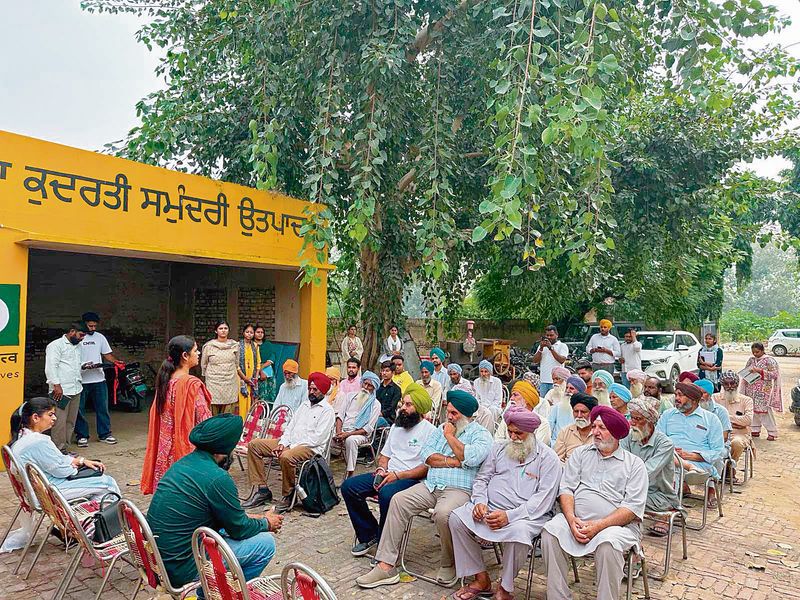
What should ordinary Punjabi citizens do following this major administrative change? Our advice is that every farmer must keep an eye on agricultural education resources. They should actively participate in any workshops or free courses organized by the university.
Question: Does this appointment mean a change in the direction of agricultural education?
Answer: This possibility is very high. Generally, such new administrations reorganize several major syllabi or research centres within their first six months, which can shift the educational focus.
Question: What will be the benefit for farmers?
Answer: The benefit will be that advanced scientific knowledge from the university reaches the farmers directly, providing novel methods to increase income.
Question: Will research remain purely academic?
Answer: No. Modern universities must operate on an 'Industry-Academia' model. Therefore, research outcomes must always be linked to market demands and the needs of the farmers.
From this entire analysis, it is clear that Dr. Dhaliwal’s appointment is a golden opportunity that requires careful utilization for the agricultural future of Punjab.

💬 ਪਾਠਕਾਂ ਦੀਆਂ ਟਿੱਪਣੀਆਂ / Reader Comments 0
ਆਪਣੇ ਵਿਚਾਰ ਸਾਂਝੇ ਕਰੋ। ਕੋਈ ਲੌਗਿਨ ਜ਼ਰੂਰੀ ਨਹੀਂ!
ਸਭ ਤੋਂ ਪਹਿਲਾਂ ਆਪਣੀ ਰਾਇ ਦਰਜ ਕਰੋ!
ਬੀ ਰਹਿਓ ਪਹਿਲੇ ਟਿੱਪਣੀਕਾਰ (Be the first to share your thoughts).