
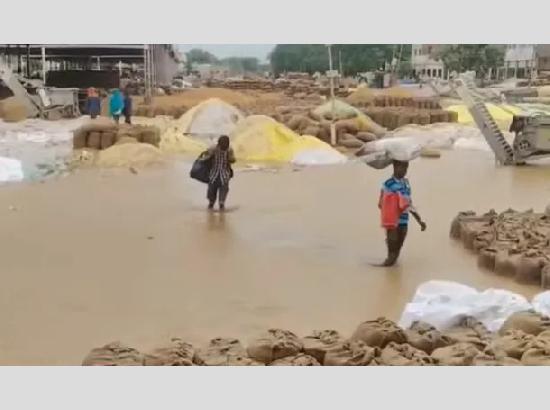
The Devastating Impact of Rain on Punjab's Agriculture and Markets: An In-Depth Investigation
As 'My Healthy Punjab,' our mission remains dedicated to bringing forth the struggles faced by local communities and those intrinsically linked to agriculture. The recent torrential downpour across parts of Punjab—a sudden, excessive spell of rain—has presented a major challenge to the agricultural sector. This report is not merely an account of an event; it is a detailed analysis of its root causes, ground realities, and the resulting economic distress among farmers.
Background and Core Causes of the Crisis
Punjab, often hailed as the 'Granary of India,' has its entire economy anchored on its agricultural output. Farmers here are entirely dependent on their crops throughout the annual cycle. However, sudden weather shifts have created particular hardship this year. It is notable that excessive rainfall tends to occur precisely when crops are at their most vulnerable stage. In this specific instance, the surplus water in many fields across Punjab has severely complicated the situation for soft crops and cultivated lands.
The impact of the rain has not been confined merely to the soil level; it has directly affected the functioning of the mandis (markets). These markets are the central arteries where trade and economic activities take place. The waterlogging there has brought the entire system to a standstill, putting immediate sources of income at risk. This is a multifaceted crisis—spanning from the fields right up to the marketplace.
Ground Reality & Key Details: Direct Impact on Crops
From our own ground reports and site observations, it is evident that the impact of the rain on Punjab's paddy crops and other cultivated areas has been deeply distressing. Moving around the fields surrounding various mandis has become physically difficult due to waterlogging. Crops that required regular drying have instead faced near-flood conditions. Farmers themselves reported that not only are the crops submerged, but even traversing the fields is challenging, resulting in losses of both labor and time.
The situation at agricultural markets is no less dire. Water accumulation has brought commercial activities to a complete halt within these centers. This loss is not confined to a single day; it has plunged both the farm sector and the market system into a synchronized crisis. The fundamental question now looms large: how will farmers, who rely on these mandis for their livelihood, earn their daily bread?
Impact on Punjab's Districts and General Public
The effects of this climatic distress are being felt in every corner of Punjab, but the farming community is feeling it most acutely. Their entire existence cycle is directly tied to the land and the weather. Crop failure translates immediately into a reduction in income, raising serious questions about family sustenance. It's not just crop damage; the halt in movement and commercial activity within mandis has also stalled Punjab's internal economic flow.
This situation affects not only the farmers but their entire families, as the money from trade that was expected at the mandis due to the rains is now stuck. This is a crisis that impacts every individual connected to the agricultural sector—be it the farmer, the trader, or any worker in logistics and transport.
Government Statements and Administrative Action
As an objective report, it is crucial to examine what steps the government is taking. The situations unfolding before us resemble a seasonal natural calamity, demanding immediate and transparent action from the administration. There is a pressing need for a comprehensive mechanism to assess crop losses so that governmental aid can reach swiftly. To improve the situation in the mandis, policy support is required to resume commercial activities.
Expert Opinion and Future Analysis
Agricultural economists currently view this situation as a major indicator of 'Climate Legislation.' This is not just an isolated rainfall event; it reflects changing weather patterns for Punjab. To mitigate such losses in the future, the Agriculture Department must focus on promoting more localized and climate-resilient crop varieties. Furthermore, better drainage systems are necessary to prevent water stagnation in fields, which is a long-term infrastructure project.
Key Takeaways and Q&A for General Citizens
What should the general public do amidst this crisis? The first step is for farmers to stay informed about government assistance schemes and to gather photographic evidence of the damage. Commercial stakeholders in the mandis must engage with the government to ensure the resumption of transport and market operations. We must remember that agriculture is not merely an industry; it is the soul of Punjab. Therefore, community-level awareness is vital so that appropriate demands and relief can be secured.


💬 ਪਾਠਕਾਂ ਦੀਆਂ ਟਿੱਪਣੀਆਂ / Reader Comments 0
ਆਪਣੇ ਵਿਚਾਰ ਸਾਂਝੇ ਕਰੋ। ਕੋਈ ਲੌਗਿਨ ਜ਼ਰੂਰੀ ਨਹੀਂ!
ਸਭ ਤੋਂ ਪਹਿਲਾਂ ਆਪਣੀ ਰਾਇ ਦਰਜ ਕਰੋ!
ਬੀ ਰਹਿਓ ਪਹਿਲੇ ਟਿੱਪਣੀਕਾਰ (Be the first to share your thoughts).