
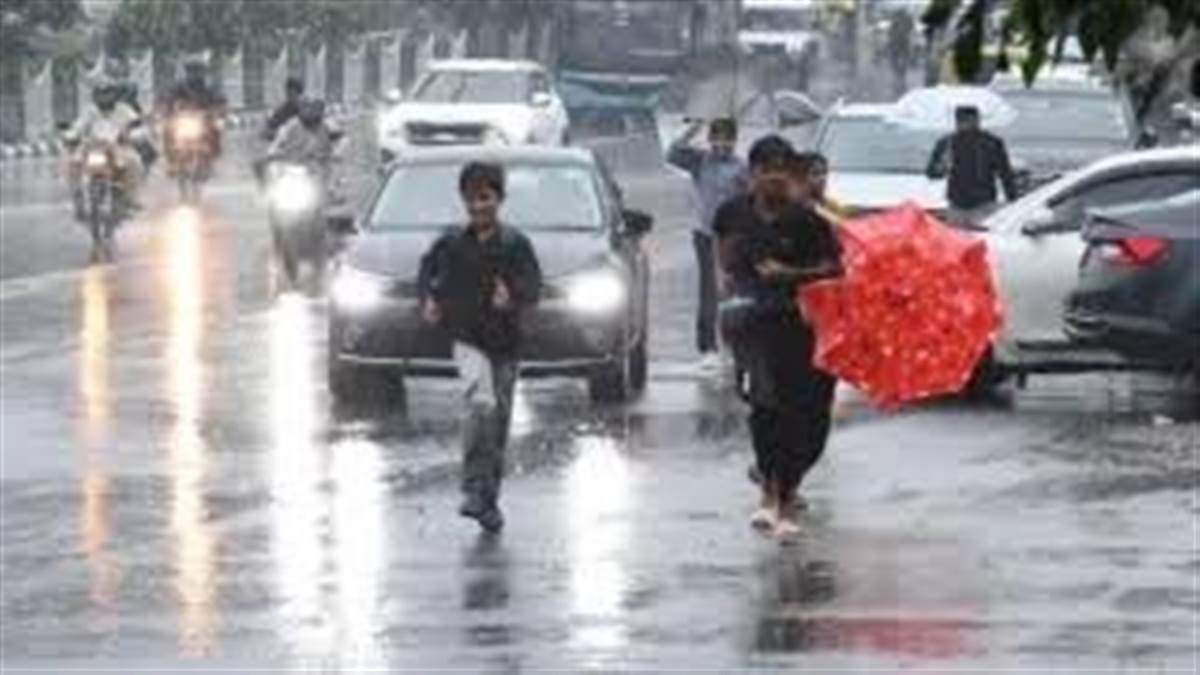
Punjab Weather Takes a Serious Turn: Flood Risk Amid 'Orange Alert'
When nature releases all its pent-up energy onto the land simultaneously, its force can surpass the limits built by human engineering. Punjab is currently facing just such a scenario. According to reports from Punjab Jagran and meteorological updates, there is a high probability of intense rainfall over the next three days, which could lead to flood-like conditions. Given this severity, the administration has issued an 'Orange Alert.' This is not merely a warning; it is the final signal for all citizens to prepare themselves.
Background and Core Causes
A series of changes in atmospheric circulation patterns have placed Punjab's weather in a delicate state. When there is a significant difference in wind shear and temperature gradients, the potential for convective rainfall increases dramatically. Meteorologists are advising caution based on this background. This isn't a one-day concern; the pressure of rain is building over an interval of three days, which can dynamically affect the water levels of rivers and drains. Local residents have previously suffered losses due to incomplete weather information in this region, making this advisory even more critical.
Ground Reality and Key Details
Reports suggest that the primary concern is the 'potential for flooding.' This does not mean a flood is inevitable, but rather it signifies a major Risk Assessment requiring preparedness at all levels. The 'Orange Alert' means the weather condition is nearing severity, and the general public must exercise caution in their daily routines. There is a possibility of sudden surges in water flow in areas adjacent to fields and rivers, which could endanger infrastructure built on slopes.
Impact on Punjab's Districts and General Public
The most significant impact of this weather anomaly will be felt in the sectors of agriculture and transportation. Punjab’s economy is heavily reliant on farming, and while heavy rain can provide some relief to crops like wheat and mustard, it also poses a risk of environmental damage due to excessive waterlogging in fields. In urban centers, where drainage systems are not equipped to handle such intense rainfall, there is a major threat of water stagnation (waterlogging). The general public must treat this as a significant change in their routine life, necessitating proactive steps related to health and safety.
Government Statements and Administrative Action
Whenever the possibility of a major natural calamity arises, local governments take immediate action. Issuing an 'Orange Alert' is proof that the administration has kept all its Emergency Protocols ready. The District Administration must have already advised people to stay away from rivers and valleys. Local Disaster Management Committees will be mobilized to provide correct guidance at every stage. This is not just a statement; it is an actionable plan that every citizen must understand.
Expert Opinion and Future Analysis
Prominent meteorologists analyzing this situation state that changes in Punjab's regional water cycle are natural, but their speed can be very rapid. Experts believe that the danger is not just from rain, but also from ground saturation due to accumulated water over preceding days. Therefore, the risk of flooding is considered high. Looking ahead, there is a need to strengthen Punjab’s water disposal systems and impose restrictions on deforestation so that such crises can be managed easily.
Essential Tips for General Citizens
At this critical stage, every citizen needs to know what steps they should take. One must not believe any fake news or rumors; information should only be sourced from official government and primary media channels.
❓ Where is it safe?
Firstly, maintain distance from rivers, valleys, and any flood-prone areas. If your home is in a low-lying area, be prepared to evacuate to the designated Shelter Point provided by the administration.
❓ What should I do?
Keep an emergency stock of essential items at home, such as clean drinking water, rations, and medicines. Keep torches and power banks ready in consideration of potential power cuts.
❓ Transportation Safety?
Never attempt to cross rivers or flooded bridges during heavy rain or flooding. Avoiding travel as much as possible is the greatest safety measure.

💬 ਪਾਠਕਾਂ ਦੀਆਂ ਟਿੱਪਣੀਆਂ / Reader Comments 0
ਆਪਣੇ ਵਿਚਾਰ ਸਾਂਝੇ ਕਰੋ। ਕੋਈ ਲੌਗਿਨ ਜ਼ਰੂਰੀ ਨਹੀਂ!
ਸਭ ਤੋਂ ਪਹਿਲਾਂ ਆਪਣੀ ਰਾਇ ਦਰਜ ਕਰੋ!
ਬੀ ਰਹਿਓ ਪਹਿਲੇ ਟਿੱਪਣੀਕਾਰ (Be the first to share your thoughts).