
Background and Root Causes of the Crisis
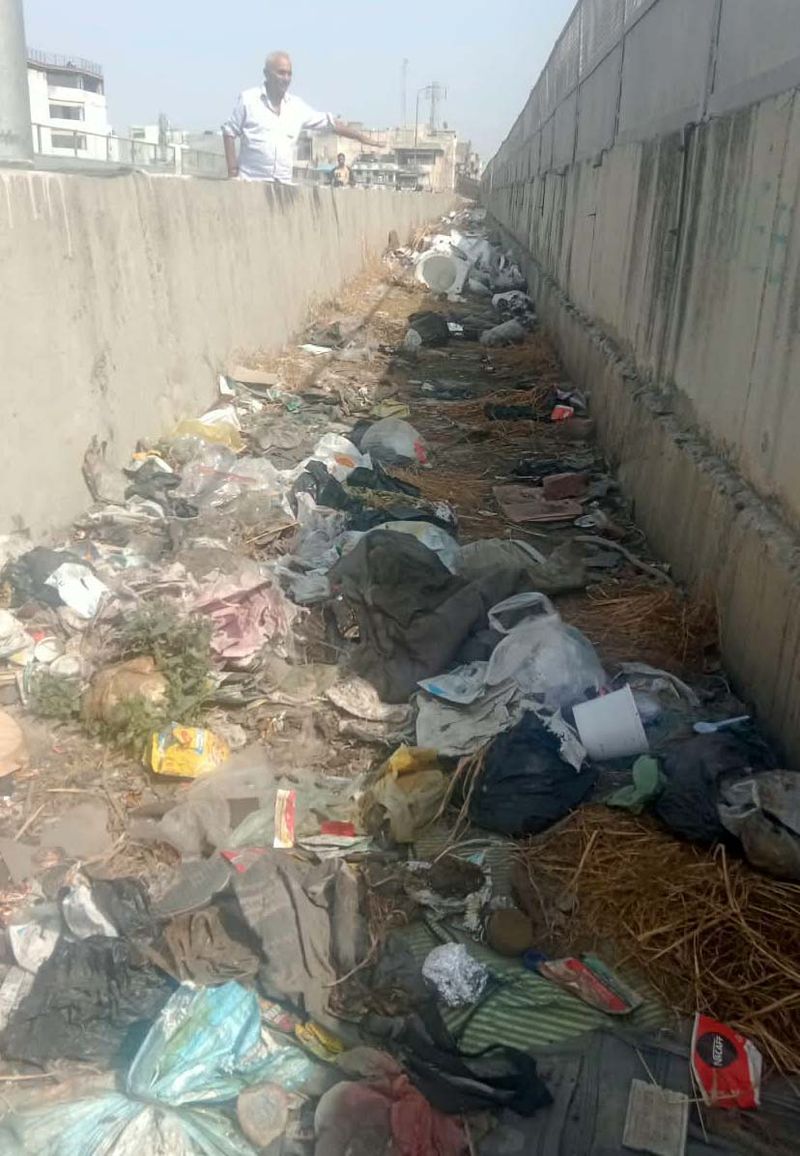
A healthy, clean city is the foundation of any civilized life, but the garbage strewn across the footpaths of Ludhiana's Lakkar Bridge paints a picture of civic service failure. This is not an isolated incident; rather, it symbolizes chronic environmental neglect in the area. While the bridge serves as a major transit hub, its footpaths are not only used for religious purposes but also form the center of daily market activities.
Information gathered from sources and local residents suggests that systemic glitches in the waste collection process are the primary culprits. When daily refuse is not removed regularly, it accumulates into massive heaps. This is more than just a cleanliness issue; it constitutes a major public health crisis linked to disease outbreaks and environmental degradation.
The accumulation of waste in this area suggests either a lapse in enforcing sanitation bylaws or the absence of an organized, modern system for waste disposal. Consequently, the aesthetic appeal of the locality has vanished, posing not just a visual blight but a tangible threat to life itself.
On-Ground Reality and Key Details
A street-level investigation reveals that the Lakkar Bridge footpath is choked with garbage mounds. This accumulation is not limited to a few bins but covers an extensive area, mixing various types of waste—household refuse, commercial debris, and even hazardous materials dumped illegally. All this material is piled into heaps detrimental to the environment.
Statements from people present at the scene confirm that this problem is chronic and has been ignored for days. Typically, when a major seasonal or health hazard is declared, administrative action is expected. However, these piles remain untouched, raising serious questions about governmental oversight and accountability.
Furthermore, in such garbage hotspots, unauthorized dumping by irresponsible individuals exacerbates the problem. This manner of waste accumulation not only ruins aesthetics but also poses a significant threat to water sources and air quality. It is the result of a vicious cycle where sanitation systems are lax, and citizens are neglecting their civic responsibilities.
Impact on Punjab's Districts and Public Life
As a major urban center, Ludhiana forms a vital part of Punjab's economy. The pollution generated here cannot remain confined to this area; its repercussions are likely to spill over into other Punjabi towns and the general populace. Given that it is a commercial hub, thousands of people—traders, students, and domestic workers—pass through these markets daily.
From a public health perspective, such garbage-laden environments create an invisible breeding ground for bacteria, pathogens, and viruses. The filth and debris can lead to lost time for the sick, directly impacting healthcare expenditures. For students, it creates an environment that disturbs their daily routine and well-being.
The consequences are also visible in agriculture, as contaminated water and air from garbage dumping can directly affect nearby farming activities. This is not merely a municipal sanitation issue; it is a grave policy problem linked to regional development and the right of citizens to live with dignity.
Government Statements and Administrative Action
In such dire situations, media reports or local monitoring drives usually promise administrative action. However, in this specific case (where sources only confirm that 'garbage is continuously accumulating'), there is no mention of any immediate, concrete, or successful administrative intervention. Observing the situation suggests either that authorities have issued a statement that has not reached the public, or that the administrative action remains stuck at the discussion stage.
In such matters, public demands usually fall upon the Punjab Government and the District Administration to strictly enforce sanitation bylaws. If any department (like the Municipal Corporation or the Punjab Civil Corporation) is responsible, waste removal should be scheduled according to their defined timetable. When all this breaks down, the common citizen feels they are living on the foundation of an absent government.
Expert Opinion and Future Analysis
Environmental experts argue that managing such open dumps requires not just 'cleaning up,' but a structured, specialized management approach. According to experts, the core solution cannot be merely understanding and implementing the three R's: Reduce-Reuse-Recycle. It is crucial to educate people at the source level to segregate their waste.
Looking ahead, large cities like Ludhiana require a modern 'Smart Waste Management' system. This could involve using GPS-tracked vehicles for collection and potentially charging residents a fixed fee in exchange for a guaranteed cleaning service. If such a system functions effectively, these massive heaps will not accumulate perpetually, and the bridge area can remain clean year-round.
Essential Takeaways and Q&A for Citizens
In light of this crisis, citizens must understand their role. This is not solely the government's responsibility but also every individual's 'civic duty.' The single biggest step any person can take is never dumping household waste anywhere, especially near historical or major bridges.
Q: Can the government always solve this problem?
A: No. The government can create rules and enforce laws, but public participation is the real solution.
Q: What should we pay attention to?
A: Start by keeping dry and wet waste segregated at home. This will make the job easier for collectors and sanitation workers to work faster.
Ultimately, this scene at Lakkar Bridge reminds us that urban living is a shared responsibility. Cleanliness is not just a task; it is the reflection of our ideal standard of living.

💬 ਪਾਠਕਾਂ ਦੀਆਂ ਟਿੱਪਣੀਆਂ / Reader Comments 0
ਆਪਣੇ ਵਿਚਾਰ ਸਾਂਝੇ ਕਰੋ। ਕੋਈ ਲੌਗਿਨ ਜ਼ਰੂਰੀ ਨਹੀਂ!
ਸਭ ਤੋਂ ਪਹਿਲਾਂ ਆਪਣੀ ਰਾਇ ਦਰਜ ਕਰੋ!
ਬੀ ਰਹਿਓ ਪਹਿਲੇ ਟਿੱਪਣੀਕਾਰ (Be the first to share your thoughts).