
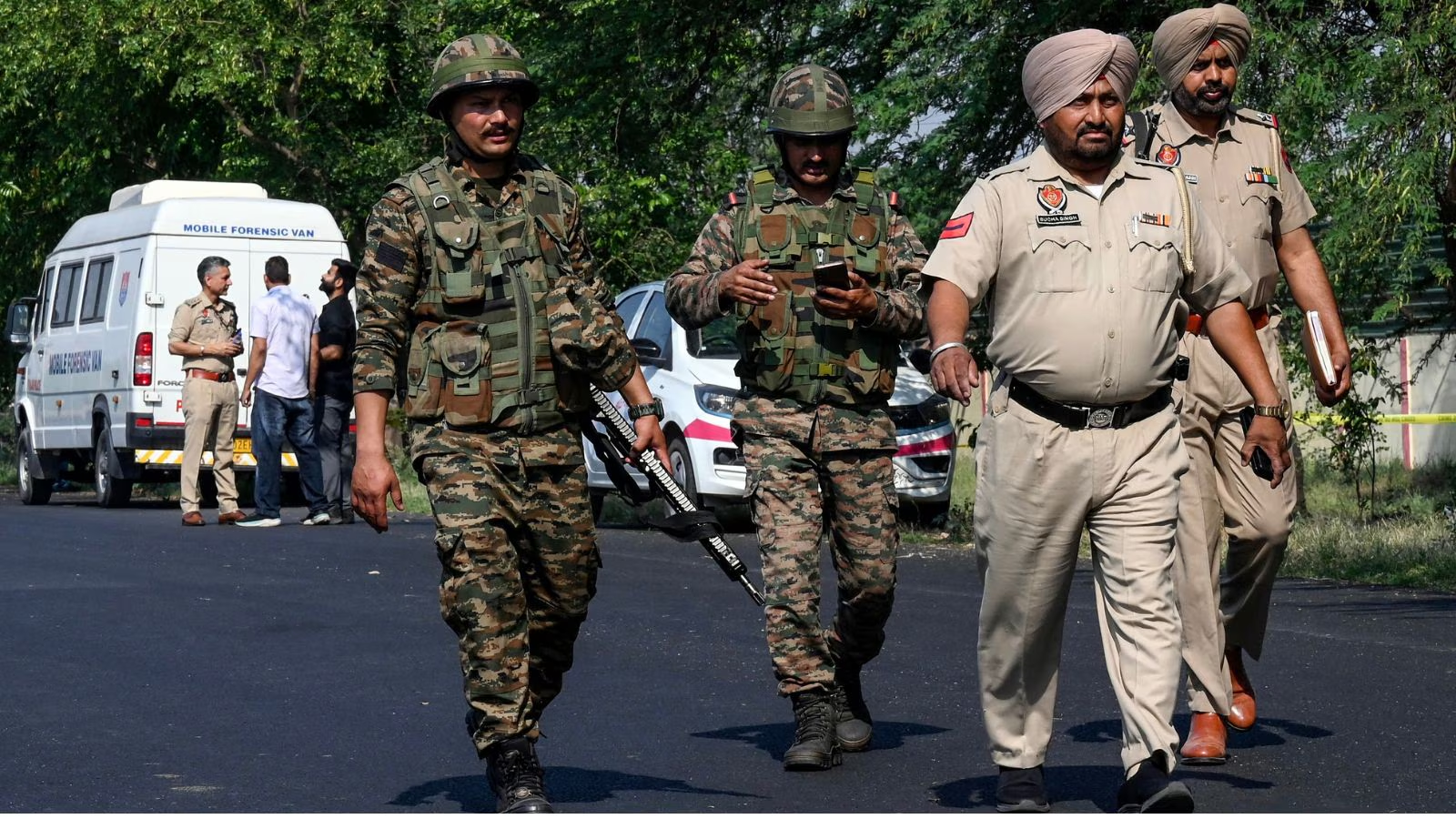
Background and Core Reasons for Disruption
Punjab, a land steeped in agricultural heritage and rich culture, usually thrives in peace. However, when significant unrest arises—be it over political tensions or farmers' issues—the situation can quickly become volatile. The threat of a 'Bandh' (shutdown) in Punjab, particularly around dates like October 15th, is always a major concern for ordinary citizens. This isn't an isolated event; it can stem from farmer grievances, heated political debates, or large-scale protests.
Historically, whenever a massive strike occurs in Punjab, the administration has to manage multiple sectors. This report compiles information based on media reports regarding which activities will be regulated during a shutdown. It is crucial to understand that any governmental directive represents an analysis of the reasons behind imposing restrictions and their subsequent implications across transportation and services.
The ground reality in this region constantly shifts based on official statements versus on-the-ground conditions, making it vital for citizens to verify all information. Our objective is not merely to report news, but to create a reliable guide that delivers accurate information exactly when people need it most.
Ground Reality and Key Details
When the topic of a 'Punjab Bandh' arises, the first question on everyone’s mind is: Will essential government offices remain open? According to our analysis, any major strike throws the administrative machinery of Punjab into a complex web. There isn't a simple 'yes' or 'no' answer; it’s a matter of gradation.
The facts emerging from our study suggest that every district administration must operate on a case-by-case basis. When a shutdown is declared, office operations are typically confined to limited zones. Health services and Emergency Services receive paramount importance, requiring special attention regarding their operational hours.
We must also note that facts provided by sources like 'News18' only sketch out a potential timeline. Therefore, it is mandatory for any individual to verify official statements issued by the local District Administration before making any decisions. This remains the most critical rule of ground reality.
Impact on Punjab's Districts and Citizens
In a vast state like Punjab, every district has its unique activities. When a shutdown is imminent, the direct impact falls heavily on transportation, commerce, and personal travel. Urban hubs such as Chandigarh, Ludhiana, or Patiala—major market centers—are particularly affected.
Even in agricultural belts, where farmers aim to reach mandis (markets) with their produce, issues of safety and transit become serious. Consequently, using transport strictly according to government guidelines is essential. Students also face a major dilemma: what happens to schools and colleges? Generally, during such times, authorities advise educational institutions to remain closed to prevent any potential accidents.
From a commercial standpoint, cash transactions and the buying/selling of essential goods are disrupted. Thus, keeping necessary equipment or medicines stocked in case of an emergency is advisable. This situation presents a major logistical challenge for the general populace.
Government Statements and Administrative Action
When there is a threat of such an event, government machinery operates on three main levels: Security, Operation, and Communication. The Police Department and District Administration strive to ensure that essential services remain continuous. Consequently, official statements always carry a balanced message—acknowledging the right to protest while simultaneously emphasizing the maintenance of law and order.
It can be stated that health services (like hospitals) and police operations generally remain the least impacted because they are deemed matters of life necessity. Therefore, ensuring ambulances and service personnel can function is prioritized. Government spokespersons often appeal to people to assert their rights peacefully and avoid any form of rioting.
The primary goal of this administrative action is to restore peace and ensure that no strike compromises the fundamental rights of the citizens. Thus, adhering fully to all directives issued by the administration remains the greatest legal and social duty.
Expert Opinion and Future Analysis
Sociological or political experts analyzing this situation suggest that a 'Bandh' is an incomplete process. It signals a problem, not its resolution. According to experts, until a permanent solution is found, the risk of such stoppages recurring at the ground level remains high.
An expert in urban social contracts also points out that resolving such events requires not just administrative measures but deep dialogue and policy changes. If issues concerning farmers or specific groups are resolved only through street protests, these conflicts will recur repeatedly. Therefore, regular and substantive discussions involving all stakeholders are necessary.
Looking ahead, this serves as a reminder to the general public that they must advocate for their rights not just through demonstrations, but also at legal and parliamentary levels. No major dispute can be solved merely with stoppages; it requires understanding its core tension and formulating a long-term policy framework.
Essential Points & FAQ for Citizens
As an ordinary citizen, what should you keep in mind? Our advice is to remain fully prepared. This isn't just a 'what will happen' question; it’s a 'what should I do' query.
Question: If the shutdown happens, how will I manage my essential tasks? Answer: First, plan for your next three days. Keep stocked supplies of medicine and food, and prepare alternative transportation options (like private vehicles or routes accessible from home).
Question: Will all banks and ATMs shut down? Answer: It is possible that some private bank operations might be curtailed, but major government or private banks usually maintain continuity for emergency services. However, keeping cash on hand remains the safest bet.
Question: What to do in a medical emergency? Answer: This is the most crucial point. Even if there is a shutdown, health services—both public and private—are given top priority. It is vital to keep an extra supply of necessary medicines with you.

💬 ਪਾਠਕਾਂ ਦੀਆਂ ਟਿੱਪਣੀਆਂ / Reader Comments 0
ਆਪਣੇ ਵਿਚਾਰ ਸਾਂਝੇ ਕਰੋ। ਕੋਈ ਲੌਗਿਨ ਜ਼ਰੂਰੀ ਨਹੀਂ!
ਸਭ ਤੋਂ ਪਹਿਲਾਂ ਆਪਣੀ ਰਾਇ ਦਰਜ ਕਰੋ!
ਬੀ ਰਹਿਓ ਪਹਿਲੇ ਟਿੱਪਣੀਕਾਰ (Be the first to share your thoughts).