
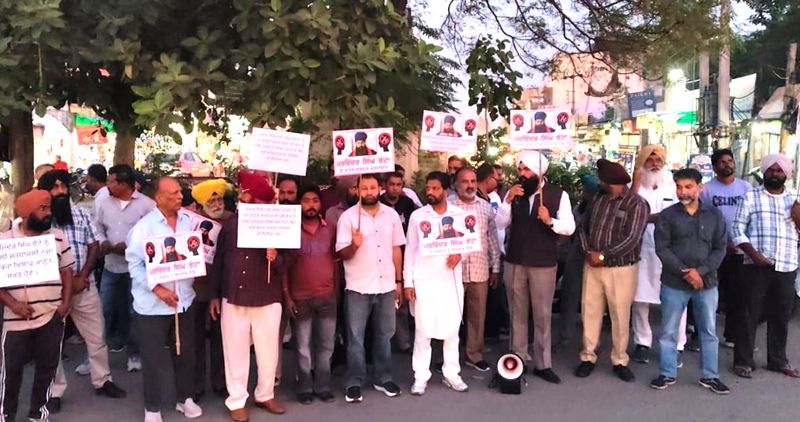
Social Workers' Protest in Mansa: An In-Depth Analysis of Issues and Impact on Punjabi Lives
In Punjab, particularly districts like Mansa, the socio-political landscape often remains a delicate web. Whenever major social or contentious issues arise, frontline social workers and local communities react with palpable sensitivity. Recently, a protest by social workers in the Mansa region has drawn significant attention at the state level. This is not merely a notice; it signals a deeper structural issue connected to the welfare of the local populace and the execution of public service initiatives.
Background of the Incident and Core Causes
The protest by social workers in Mansa is not an isolated, spontaneous event but rather the culmination of prolonged friction over changing resources and evolving needs. When discussing social work, the primary question always arises: Are necessary facilities and opportunities being provided systematically? The central issue highlighted by this demonstration appears to be a demand for standardization or improved governance within the field of social welfare. It underscores the gap between the aspirations of the local people and the ground reality. Social workers, who are intrinsically linked to human well-being, feel compelled to raise their voices.
This protest has raised a critical question at the local level: Should social work be governed strictly by formal government structures, or does it require greater autonomy? Punjab's local administration usually adopts a sensitive approach toward such groups, but when this tension becomes overwhelming, protest often becomes the last resort. This incident must not be viewed merely as a complaint from local citizens, but as a large question mark hanging over Punjab’s social policy framework.
Ground Reality and Key Details
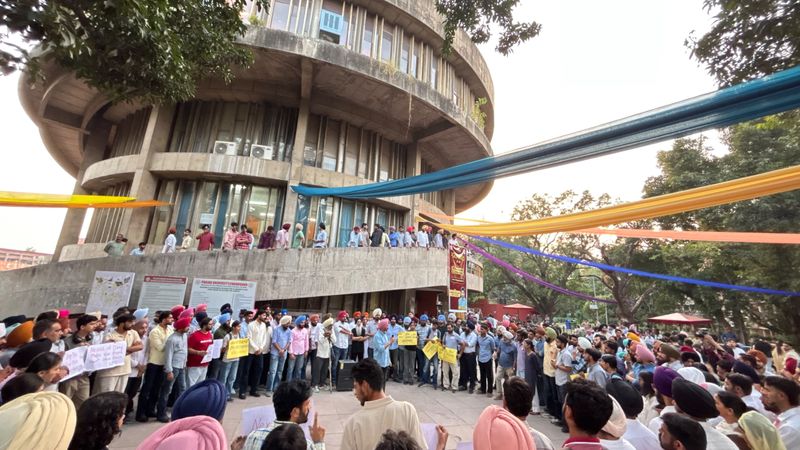
This gathering of social workers reflects the dynamic social fabric of Punjab. They are the people who work directly at the grassroots level, where dialogue occurs between formal government roles and citizen sentiments. When they protest, it signifies that they feel a major failure in their methods of operation or in the support system available to them. Our sources suggest this demand might be linked to a specific project, funding regulation, or legal status affecting the work done by social workers.
The ground reality here is that the relationship between people—especially between villages and towns—is profoundly deep-rooted. Social workers are the backbone of this strong bond, connecting people with governmental amenities. When their work faces obstruction, they protest not only to raise awareness about their rights but also to force the entire region to contemplate a larger question. Therefore, this analysis cannot be limited just to the event of the protest; it must touch upon its underlying legal and social dimensions.
Impact on Punjab's Districts and General Populace
The impact of such local protests is not confined to Mansa; it can affect the entire socio-economic structure of Punjab. If a discrepancy arises in the service delivery sector, it heavily highlights the divide between rural and urban centers. Agriculture, which remains the backbone of Punjab, depends directly or indirectly on the smooth flow of social welfare initiatives.
The general public views this issue through the lens of their daily lives. They question whether their social mobility, citizen services, and self-help activities are running entirely according to government standards. When a protest occurs, it amplifies the emotional realization that local people have deep concerns regarding the amenities and fairness surrounding them. It is an indicator that in any part of Punjab, the voice of those with grassroots experience must be heard seriously to ensure holistic development.
Government Statements and Administrative Action
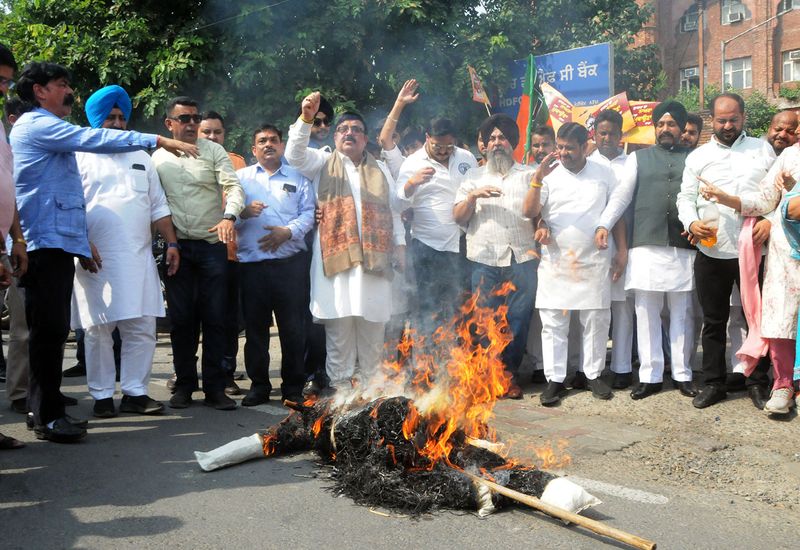
How government levels respond to such local unrest is critically important. In this specific case, no major ministerial statement has emerged yet because it concerns a social sector issue, but the administration must remain sensitive at the ground level. In such instances, District Collectors or local police officials attempt to maintain peace and coordination.
Government responses usually state that all work is proceeding according to established procedures and there is no need for any disruption. However, the organized voice of social workers challenges this assertion by presenting a large area of dissatisfaction between administrative rules and ground reality. We must hope that future actions will focus on strengthening administrative reforms and dialogue mechanisms, rather than merely suppressing protests.
Expert Opinion and Future Analysis
Local social administrators discussing human service issues view this incident as a 'Systemic Failure.' They argue that the responsibility of providing services in Punjab cannot be limited only to government structures; civil society groups must also play a major role. This protest symbolizes the need for local organizations to receive greater governmental support and, simultaneously, clear legal recognition.
From an analytical standpoint, it can be argued that if social workers in districts like Mansa receive a pathway toward regular and official recognition, the need for such large-scale protests might diminish. Therefore, the Punjab government should consider establishing a modern Local Volunteer Coordination Body that can regulate and link these groups' work with the administration. This could serve as a role model to reduce future tensions.
Key Takeaways and Q&A for General Citizens
What should the general public take away from this entire discourse? The first key takeaway is that social work is a shared responsibility. Both the administration and social workers are important in their respective domains, but coordination between them is vital.
What to do? Citizens must maintain contact not only with formal government offices but also with trusted individuals like social workers. When any new facility or service issue arises, the initial conversation should always happen at the ground level.
Question: Is this protest anti-law? Answer: No, it is a voice demanding better policy and clarity. It should be viewed as a 'Constitutional Dialogue.'
In summary, this episode in Mansa reminds us that Punjab's progress does not happen only through large government schemes, but by recognizing the contribution and rights of social workers who feel the needs in its smallest corners. Therefore, long-term monitoring is required from both the government and the social sector to ensure that this tension remains a misunderstanding, and does not escalate into a major crisis.


💬 ਪਾਠਕਾਂ ਦੀਆਂ ਟਿੱਪਣੀਆਂ / Reader Comments 0
ਆਪਣੇ ਵਿਚਾਰ ਸਾਂਝੇ ਕਰੋ। ਕੋਈ ਲੌਗਿਨ ਜ਼ਰੂਰੀ ਨਹੀਂ!
ਸਭ ਤੋਂ ਪਹਿਲਾਂ ਆਪਣੀ ਰਾਇ ਦਰਜ ਕਰੋ!
ਬੀ ਰਹਿਓ ਪਹਿਲੇ ਟਿੱਪਣੀਕਾਰ (Be the first to share your thoughts).