
The Background and Core Triggers
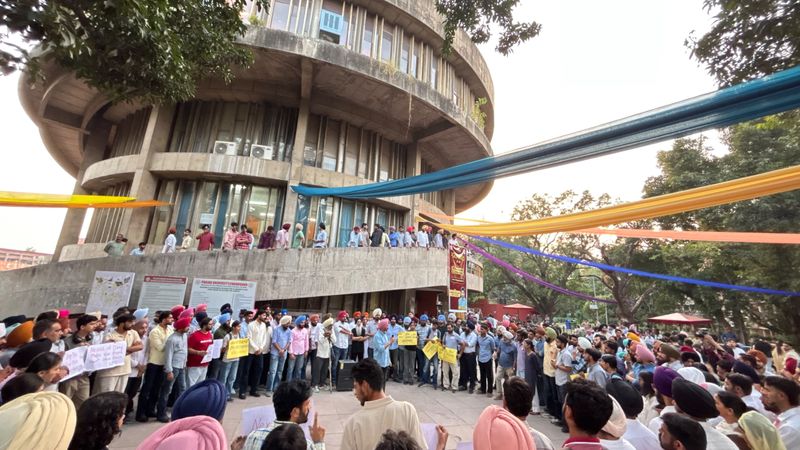
Punjab's education system has historically been a nexus point for social change, political upheavals, and academic demands. The recent student protest at the university campus is not an isolated incident; rather, it is part of a continuous, deep dialogue happening within Punjab's intellectual sphere. Whenever the youth feel unheard, the campus often becomes the focal point where they channel their frustration and demands.
Pinpointing one single cause for this specific protest is difficult because academic issues are rarely triggered by singular points; they are usually the culmination of layered problems. Students in education constantly voice concerns regarding government policies, employment security, and the adequacy of university-level infrastructure. When significant improvements fail to materialize, students organize to defend their rights.
The backdrop of this event is not merely limited to a protest; it points to the fact that the student community continues to strongly demand accountability from both governments and higher education institutions regarding their human and professional rights. This demonstration has once again highlighted that students do not just see themselves as 'future employees'; they are demanding direct participation in shaping government policies.
Ground Reality and Key Details
According to our sources and local reporting, it is clear that the university campus has become the primary battleground for students. The protest began over a specific issue but quickly expanded its scope to encompass the entire educational structure. The campus itself serves not only as a source of knowledge but also as a central platform for voicing student concerns.
The key details of this incident reveal that students questioned issues related to administration and regulations—issues often stemming from bureaucratic negligence or outdated systems. When students feel that their resources are not being utilized effectively, they raise questions. This is a common pattern visible in any major academic hub where the energy and aspirations of the youth do not find proper direction.
The formation of groups, slogans, and a large-scale organized protest on campus suggest that students feel there is no other platform left to place their demands on the table. This is not just a routine demonstration; it is an organized reaction questioning the current functioning of educational policies. Therefore, listening to all sides is necessary for the truth to emerge.
Impact on Punjab's Districts and General Public
Such a large student protest at a university campus does not remain confined to that area. Its impact permeates the entire youth community, economy, and politics of Punjab. Students are the future force of any region; when they are distressed, a large segment of society is affected.
From an economic standpoint, students are demanding jobs and feel that the income does not match the education they are receiving. This is a complex issue that casts doubt on job prospects in Punjab's agricultural and industrial sectors as well. Even modernizing agriculture requires a form of education and strategic planning where student input is crucial.
This protest has also affected the farming community because students are learning what it means to present demands in an organized manner. It acts like an awareness campaign, potentially inspiring other segments of society to assert their rights. This fact cannot be ignored as it reflects an educational crisis touching the entire economic and social fabric of Punjab.
Government Statements and Administrative Action
Whenever such a major academic protest occurs, various statements are issued at the government level. The primary goal of these statements is usually to maintain stability and quell conflict. The administration's initial response typically centers on the necessity for students to attend their places of work and maintain campus peace.
However, according to our investigation, administrative actions can only be labeled as 'maintaining order' until a thorough analytical and policy clarification is provided regarding what steps will be taken on their specific demands. Both opposition and support groups are demanding that the government should focus on implementing policy reforms addressing the root causes of protests, rather than just suppressing them.
Any statements made at the Chief Minister or Deputy Minister level must be read cautiously. Are they merely using words to de-escalate current tension, or do they signal an actual major reform announcement? For a healthy Punjab, the administration needs to focus more on the 'future of education' than on conflict resolution.
Expert Opinion and Future Analysis
Education experts suggest that this protest highlights a significant 'gap' in Punjab's education system. On one hand, students are demanding jobs and better employment opportunities; on the other, educational institutions remain trapped in traditional examination-based methodologies. A multi-pronged approach is needed to bridge this tension.
Experts advise that universities must transform from mere degree-issuing bodies into centers for 'Skill' development and 'Entrepreneurship.' If the Punjab government invests heavily in these areas, student discontent will not be limited to vocal protests; instead, they will engage in continuous dialogue with the government in a constructive and advanced manner.
The conclusion from this analysis is that as long as there are no major reforms linking university curricula to market demands, students' voices will remain loud. This signals an educational system requiring new direction. Punjab must move towards a 'healthy education' model where students are not just job seekers, but job creators.
Essential Points and Q&A for Citizens
This protest also informs us, the general public, of some serious truths. The first point is that students are not a monolithic group; their demands comprise diverse viewpoints, so any statement must be investigated before being accepted as fact.
Question: Is the student protest legally irresponsible?
Answer: It is untrue that every protest is irresponsible. Gathering to raise one's voice under constitutional rights is a right, but this right must be exercised within campus rules and principles of maintaining peace. The administration must always remain balanced.
Question: What preparation should parents make?
Answer: Parents should have open conversations with their children. They need to learn that a balance between job demands and educational rights is necessary. Establishing regular forums for dialogue at the government level could be the best step to reduce the need for protests.
In summary, this is not just an issue of students; it is a deep conversation linked to the social and economic future of Punjab.


💬 ਪਾਠਕਾਂ ਦੀਆਂ ਟਿੱਪਣੀਆਂ / Reader Comments 0
ਆਪਣੇ ਵਿਚਾਰ ਸਾਂਝੇ ਕਰੋ। ਕੋਈ ਲੌਗਿਨ ਜ਼ਰੂਰੀ ਨਹੀਂ!
ਸਭ ਤੋਂ ਪਹਿਲਾਂ ਆਪਣੀ ਰਾਇ ਦਰਜ ਕਰੋ!
ਬੀ ਰਹਿਓ ਪਹਿਲੇ ਟਿੱਪਣੀਕਾਰ (Be the first to share your thoughts).