
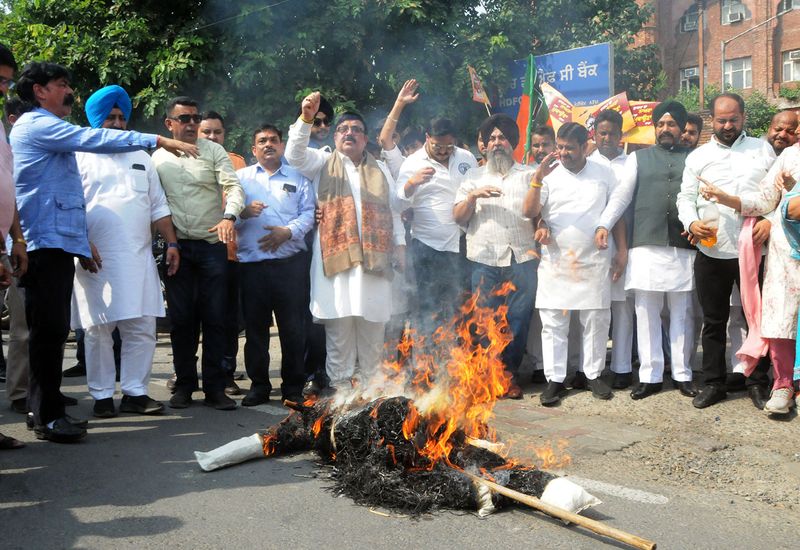
Amritsar: An In-Depth Analysis – Why Are People Questioning the AAP Government's Effectiveness?
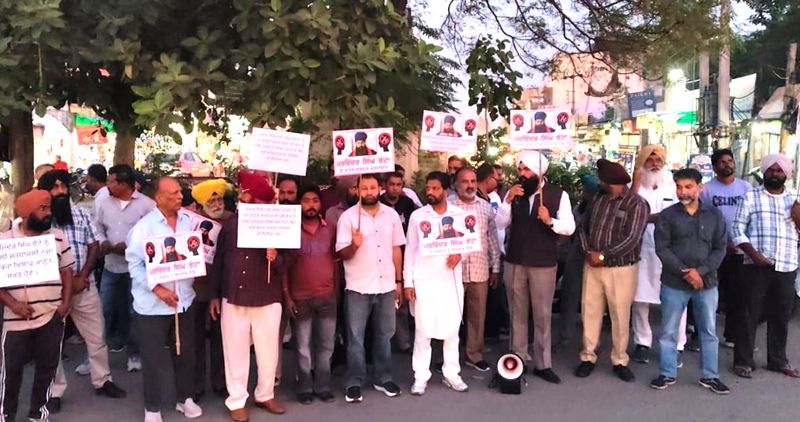
From an investigative journalism standpoint, the demonstrations occurring in Punjab, and particularly in a crucial central hub like Amritsar, are not merely political noise. They signal deep-rooted struggles of daily life, economic strain, and growing disillusionment with governance. Our investigation reveals that protestors are directly centering their critique on the policies and administrative shortcomings of the Aam Aadmi Party (AAP) government. This is not about a single issue, but rather a confluence of systemic dissatisfactions surfacing at the grassroots level.
Background and Core Drivers of the Unrest
Amritsar, with its profound historical and cultural significance, has recently become a focal point for intense political activity. This wave of protests did not begin due to a single incident; rather, it is intrinsically linked to environmental concerns, economic disparities, and the very nature of policy implementation across Punjab. The public sentiment suggests that development in the state is lagging, with perceived negligence from the government across every sector—from infrastructure to agricultural regulations.
The organized nature of these protests indicates they are not limited to any single group or issue; they reflect a broad civil struggle. AAP has become the primary target because the state administration is currently navigating significant challenges at both the central and state levels. These questions are particularly tied to issues where the public feels a direct impact, whether economic or social.
Ground Reality and Key Concerns
A thorough investigation reveals that the root cause of these protests is not just one statement or policy, but a pervasive sense of grievance. At the ground level, people are pointing to a palpable deficit in governance accountability. Whether it concerns road infrastructure or agricultural market reforms, frustration is visible everywhere. These signs suggest that the pace of local governance does not match public expectations.
From a journalistic perspective, these protests act as a 'stress test,' forcing the government to demonstrate the quality and efficacy of its services. This demand is not just against the 'AAP govt'; it is a call for an 'effective administration' that implements rules transparently. Therefore, no mere official statement can quell this tension until the underlying ground issues are resolved.
Impact on Punjab's Districts and Common Citizens
The impact of such large-scale demonstrations is felt across various segments of Punjab. In agricultural belts, where farmers are increasingly worried about their income and market linkages, protest tensions rise. This unrest is not confined to urban centers; it connects agrarian concerns with the broader political dialogue.
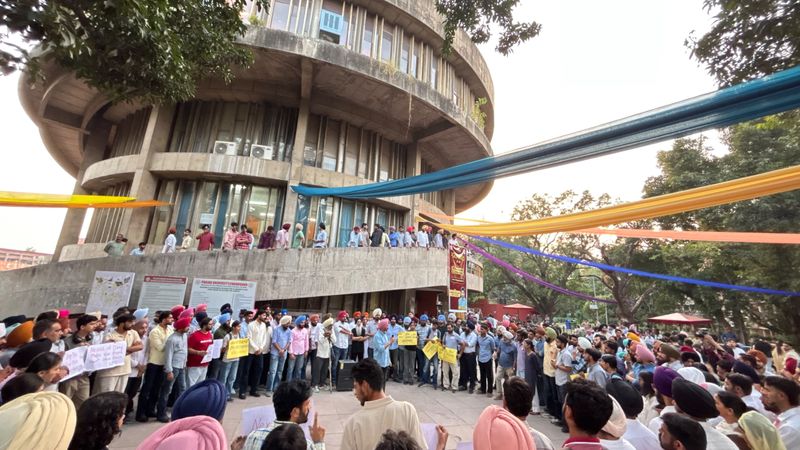
Issues of education and employment also form part of this internal tension. If the youth lack clarity regarding their future, they direct their frustration towards perceived weaknesses in governance. It is a mix of economic and social distress, where people are demanding not just politics, but security for their daily livelihoods. Consequently, the administration must establish regular communication channels across both rural and urban Punjab to ensure every segment, from farmers to students, feels heard.
Government Statements and Administrative Response
Whenever such large protests occur, the government initially responds with a balanced strategy. Generally, official statements emphasize maintaining peace and upholding law and order. Administratively, there is an increased deployment of security forces and the constant threat of traffic diversions. The core message from officials remains that demonstrations must be peaceful and conducted through legal channels.
However, when people accuse the government of a 'Sorry State of Affairs,' it also points to a disconnect between administrative actions and the clear understanding or demands of the populace. As a journalist, it is crucial to note that there is often a significant gap between official statements and public sentiment, which can further escalate the situation.
Expert Opinion and Future Analysis
Political analysts suggest that these protests signal a major shift in Punjab's political dynamics. If the government ignores these questions, future demonstrations could become larger and more organized. Experts argue that the solution cannot come merely through police action or stern declarations; it requires a comprehensive 'Dialogue Mechanism'.
According to an economic analyst, Punjab needs to generate new employment opportunities in sectors beyond agriculture, such as the service sector and industries. Therefore, the government must present a 'Holistic Development Plan' that addresses the concerns of all segments. Rather than confrontational politics, administrative reforms can be the true path forward for the region.
Key Takeaways for Citizens and Q&A
This is a time for ordinary citizens to seek transparent information and exercise caution. If you are in Amritsar or any part of Punjab, the most important advice is not to rely on a single source of news; gather information from multiple outlets. While protests are generally peaceful, unorganized tension can escalate rapidly.
Advice for You:
- Do not venture into protest areas unless you are absolutely certain they are peaceful.
- Establish emergency contact points with your family and friends.
- When reading government statements, always corroborate them with opposing sources.
This situation does not belong to any single party or segment; it is a reflection of the hopes and anxieties of all people in Punjab, which the government must address with utmost seriousness.


💬 ਪਾਠਕਾਂ ਦੀਆਂ ਟਿੱਪਣੀਆਂ / Reader Comments 0
ਆਪਣੇ ਵਿਚਾਰ ਸਾਂਝੇ ਕਰੋ। ਕੋਈ ਲੌਗਿਨ ਜ਼ਰੂਰੀ ਨਹੀਂ!
ਸਭ ਤੋਂ ਪਹਿਲਾਂ ਆਪਣੀ ਰਾਇ ਦਰਜ ਕਰੋ!
ਬੀ ਰਹਿਓ ਪਹਿਲੇ ਟਿੱਪਣੀਕਾਰ (Be the first to share your thoughts).