
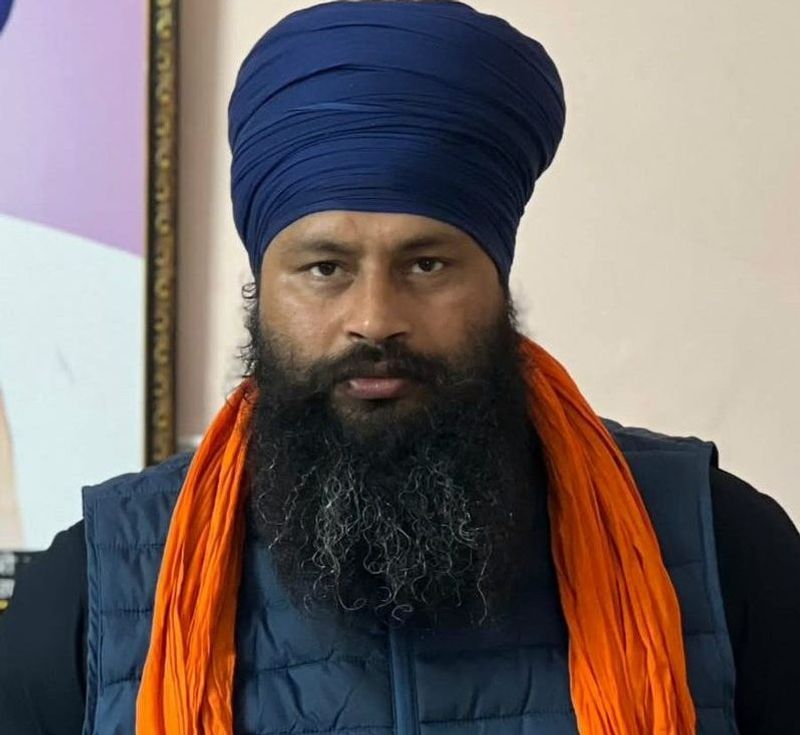
From ‘Baba Boxer’ to Anti-Drug Crusader: The Journey of Parvinder Singh Jhota
The pages of My Healthy Punjab today bear witness to a monumental saga of education and struggle, where the name Parvinder Singh Jhota shines brightest. His life is a journey of transformation—from an individual's personal battle and local traditional feats to an ongoing movement demanding a drug-free society across Punjab. This is not just a news report; it is an in-depth socio-journalistic investigation exposing critical social issues facing modern Punjab.
Background and Genesis of the Movement
Parvinder Singh Jhota initially gained recognition as 'Baba Boxer,' a title reflecting his physical prowess and impactful performance. It was a mark of regional honor, associated with strength and courage. However, times changed, and the heritage of Punjab's youth found itself ensnared in the darkness of narcotics. This fundamental shift instilled in him a new sense of responsibility. As drug abuse escalated into a serious epidemic across Punjab, Parvinder Singh Jhota channeled his physical strength into the weapon of anti-drug awareness. It was a natural progression—a pivot from a traditional persona to a larger social mission.
His effort is not limited to giving speeches; it is a deeply personal commitment struggling to pull the next generation of Punjab out of this darkness. His journey illustrates how an art form connected to sports and human strength can evolve into a powerful agent against societal ills.
Ground Reality and Key Insights
As investigative journalists, we must recognize that this is not merely one man's effort, but a collective cry for awareness. Parvinder Singh Jhota’s work highlights the profound depth of the drug menace. He isn't just speaking; he is reaching people at the grassroots level and raising consciousness. This is not a routine performance; it is an organized and continuous educational program with the potential to spread across borders.
The core focus of his work is presenting the danger of drugs in a manner that resonates with the common man, especially the youth. It’s not just a 'don't do it' message; it’s showing a glimpse of an alternative path—a lifestyle that is healthy and enhances Punjab's glory. Therefore, analyzing his efforts is crucial because they are becoming part of social policy, not merely the work of a local figurehead.
Impact on Districts and Common Citizens of Punjab
Punjab is a region rich in agriculture and culture, where the color of hard work and sweat can be seen everywhere. But today, this beautiful state's land is enveloped by a severe crisis—the drug epidemic. This impact is not confined to farmers; it threatens students’ dreams, businessmen’s plans, and the very fabric of family structures.
Where drugs have become an economic issue, they are also socially dividing individuals. The message from Parvinder Singh Jhota emphasizes remembering the true source of human success—a resource found not in narcotics, but in one's work, familial responsibility, and sheer willpower. His struggle is, in a way, an attempt to save Punjab’s 'self-respect.'
Government Statements and Administrative Action
On such a large cultural and social issue, continuous and conscious action at the governmental level is necessary. The work of personalities like Parvinder Singh Jhota often provides an added impetus to administrative efforts. While no specific government statement was cited, the existence of local figures like him implies that when people identify a problem, the administration must pay attention.
In this context, we must accept that his work functions almost as a 'protocol' for governmental policies—showing what dangers the public perceives in the environment and what level of awareness is demanded on a large scale. Therefore, to understand the full scope of his impact, administrative actions must be viewed in conjunction with the human struggle he represents.
Expert Opinion and Future Analysis
Experts in Social Psychology refer to such work as 'Community-Driven Intervention.' This is not just a government scheme, but a social response initiated by an organization or individual that works at the ground level. Experts view this positively because the message is delivered not by an external authority, but through the experience and passion of a local personality.
For the future, it is vital to link such programs with governmental regulations and funding so they can reach an 'institutional' level. Parvinder Singh Jhota’s work sets a model for the next generation—that problems must be fought not with just awareness, but with courage and knowledge.
Key Takeaways and Q&A for General Citizens
As ordinary citizens, we cannot view this as solely 'Baba's' responsibility. It is the responsibility of our entire society. The first and most crucial takeaway is that if anyone in your neighborhood or among the youth is falling victim to this severe crisis, they should not just be stopped; they must be guided toward professional help and social support.
Question: Is recovery from drug addiction possible? Answer: Yes, but it requires a comprehensive and multi-pronged treatment—addressing physical, mental, and spiritual levels. Question: How can a youth be sensitized? Answer: Instead of fighting against him, talk to him about his dreams and potential. Show him the real reward of hard work, which is far more valuable than drugs.

💬 ਪਾਠਕਾਂ ਦੀਆਂ ਟਿੱਪਣੀਆਂ / Reader Comments 0
ਆਪਣੇ ਵਿਚਾਰ ਸਾਂਝੇ ਕਰੋ। ਕੋਈ ਲੌਗਿਨ ਜ਼ਰੂਰੀ ਨਹੀਂ!
ਸਭ ਤੋਂ ਪਹਿਲਾਂ ਆਪਣੀ ਰਾਇ ਦਰਜ ਕਰੋ!
ਬੀ ਰਹਿਓ ਪਹਿਲੇ ਟਿੱਪਣੀਕਾਰ (Be the first to share your thoughts).