
Background and Core Causes
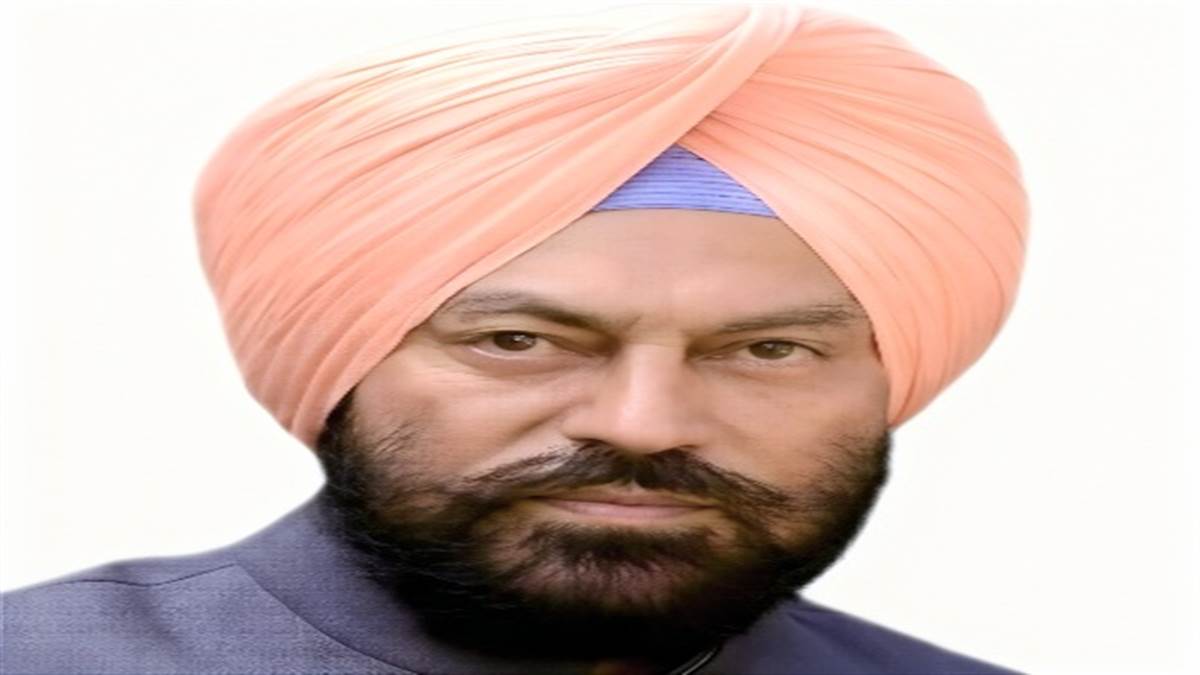
Punjab, often dubbed the 'breadbasket of India,' is currently grappling with a severe socio-economic crisis: the drug epidemic. This is not a new issue; rather, it is a pervasive ailment that has afflicted every corner of Punjab. In this context, the statement by Rana Gurmeet Singh Sodhi, a prominent voice and social worker, acts as a major alarm bell. He has openly stated that the Punjab government has been unsuccessful in controlling the menace of drugs.
This is not merely a political critique; it reflects the deep anxiety felt by the general populace of Punjab, especially the families of the youth. For years, Punjab has faced the brunt of drug trafficking and its physical and mental repercussions. While authorities have launched crackdowns, the crisis resurfaces in new forms wherever control seems to be established. Sodhi Ji's statement sharpens this point, suggesting that current efforts are lacking at the management level and demand a proactive, systematic, and comprehensive action.
Ground Reality and Key Details
When we place Sodhi Ji’s bold assertion on the ground reality, a complex picture emerges. This cannot be understood merely through government reports or political statements; it must be linked to the lived experiences of Punjab's farmers, urban markets, and rural areas. Drug trade is no longer just a source of income; it functions as a large 'vacuum' creating numerous underlying problems such as economic distress, structural instability, and mental stress.
In-depth investigation suggests that the root of the drug crisis is not only external influx but is also linked to a deficit of 'belief' and 'purpose' among the younger generation. Concerns over daily sustenance, the pressure from remittances sent abroad, and unequal access to education—all these factors are making drugs an alluring destination. When Rana Gurmeet Singh Sodhi calls the government unsuccessful, he is critiquing the entire surrounding ecosystem, implying that mere law enforcement cannot solve this problem.
Impact on Punjab's Districts and Common People
The deepest impact of this crisis has been felt across Punjab’s youth, its agricultural sector, and its family structure. Looking at farming locales reveals many young people who should be connected to wheat and mustard crops are instead trapped in the drug trade. This is not just an economic loss; it is a tearing away of Punjab's traditional manual labour and dignity.
In urban centers, where there is a flow of modernity, the demand for drugs is also rising. This sector is straining the efforts of research and mental health departments. The impact on education levels is very serious; drug attempts are increasing in schools and colleges, putting students' futures at risk. The common people are fearful, questioning whether this crisis is merely a legal issue or if it is a fractured part of the social and economic structure. People not only demand police action but also require a reliable institutional program that can connect the community with alternatives to drugs.
Government Statements and Administrative Action
The government has recently taken steps like large-scale seizures, raids on suspected hotels, and curbing drug trafficking. Official statements always mention working with full dedication, creating an impression that the government is waging a massive war against drugs. However, when figures like Rana Gurmeet Singh Sodhi question this 'success,' it raises a major debate regarding the depth and reach of administrative actions.
Is the government's focus remaining only on 'Seizure' rather than 'Root Cause Analysis'? A significant gap is visible here. While a message of zero tolerance can be legally conveyed, if drug trade is not linked to alternative livelihoods, then any law becomes merely symbolic. Administratively, people expect that not only seized narcotics should be accounted for, but the families involved must also be provided with rehabilitation and means of livelihood. This requires a 'treatment' approach, not just a 'legal crackdown.'
Expert Opinion and Future Analysis
Sociologists and drug experts do not view this crisis as something solvable merely through 'police action.' They believe Punjab needs a multi-dimensional approach. Experts suggest that linking health care centers with de-addiction camps, especially in rural settings, is crucial. Alongside this, the government must present economic development programs so that youth have alternatives besides turning to drugs.
For future projection, the involvement of local governance and civil society is necessary. If drug use is not viewed through a 'social lens,' any cure will remain incomplete. Therefore, it is vital for educated citizens to understand that drugs are not just a mistake; they are a massive economic enterprise whose dealers constantly change their colors. Thus, awareness campaigns should not be limited to saying 'Don't do it,' but must educate on what *to* do and how to live life.
Key Takeaways for Citizens and Q&A
In this grave atmosphere, what should ordinary citizens do at their level? First, we need to build open dialogue within our homes. If any family member is struggling with drugs, they must be taken immediately and with compassionate care to qualified health professionals or legal authorities. Bringing hidden issues into the light is the first step.
Question: Is police help alone enough? Answer: No. The job of the police and administration is to prevent crime; but treatment, support, and self-help lie with society and the family. Question: What are the alternatives for youth? Answer: They should connect with government skill development centers, agricultural production units, and local business groups so that the youth can find a source of income away from drugs. This is the necessary strategy to restore Punjab's overall life.



💬 ਪਾਠਕਾਂ ਦੀਆਂ ਟਿੱਪਣੀਆਂ / Reader Comments 0
ਆਪਣੇ ਵਿਚਾਰ ਸਾਂਝੇ ਕਰੋ। ਕੋਈ ਲੌਗਿਨ ਜ਼ਰੂਰੀ ਨਹੀਂ!
ਸਭ ਤੋਂ ਪਹਿਲਾਂ ਆਪਣੀ ਰਾਇ ਦਰਜ ਕਰੋ!
ਬੀ ਰਹਿਓ ਪਹਿਲੇ ਟਿੱਪਣੀਕਾਰ (Be the first to share your thoughts).