
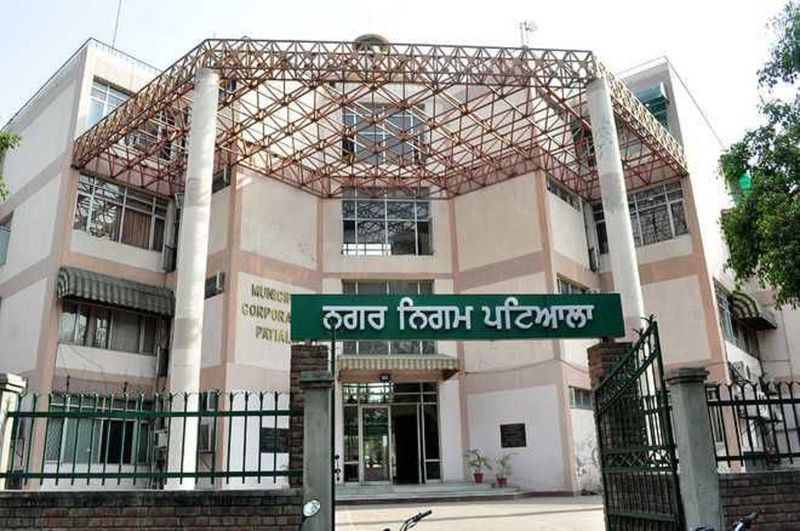
Patiala MC House Meet: Worker Regularization in Local Politics and Economic Concerns
In Punjab's major urban centers, the functions of Municipal Corporations (MC), especially those in large cities like Patiala, are directly intertwined with the daily lives of ordinary citizens. The status of these employees, particularly the issue of their regularization, has consistently been a source of significant debate. Reports indicate that the Patiala MC is soon to hold a House Meet, and the central focus of this meeting will be the demand for permanent status for on-site workers.
Background and Core Issues
Behind this event lies a long-standing confluence of administrative and employee satisfaction demands. Whenever any large government entity, especially a local body like an MC, is operational, questions regarding the employment status of its thousands of staff members naturally arise. This meeting is not a sudden occurrence but rather a persistent pressure point exerted by the workers themselves and their associated unions.
For those employees working in Patiala MC who are still not permanently employed, this meet represents a significant sign of potential relief. It implies that the administration must move beyond ad-hoc or temporary arrangements and provide them with a clear roadmap. This meeting could potentially address how the precarious and insecure conditions faced by the workforce can be improved.
Ground Reality and Key Details
Based on our investigation, it is evident that the central focus of this House Meet will remain squarely on 'worker regularization.' When discussing government appointments and their associated packages, mere words are insufficient; there must be both a jurisprudential view and administrative implementation. According to reports, this meeting will function as a large forum where all stakeholders—worker representatives, MC administration, and perhaps local political leaders—will convene.
This is not merely a meeting; it is a demand for 'accountability.' Thousands of people working in a city like Patiala depend on their stable employment for their self-reliance. Therefore, regularization is not just an administrative file issue; it is a deep question linked to the economic stability of entire employee families. Our sources suggest that resolving this matter requires not only financial planning but also clear policy articulation.
Impact on Punjab Districts and General Public
If the employees in Patiala MC achieve permanent status, its positive impact will not be confined only to that city. It could set a model for others. Many other MCs and government departments across Punjab have employee groups whose status remains ambiguous. Thus, this resolution from Patiala could establish an important precedent for urban administration across Punjab.
The confidence of the general public, especially those who rely on the services of these MCs (such as sanitation or civic amenities), increases when such regularization happens. It sends a signal that when government institutions recognize their employees, they are more likely to put forth greater efforts to provide better services to the public. This fosters efficiency in urban planning and service delivery.
Government Statements and Administrative Action
At such significant forums, government statements are usually delivered with caution. Whenever a major employee dialogue is mentioned, the administration stands on two fronts: one that things are proceeding according to legal procedures, and another that it might not be financially feasible. Therefore, before accepting any statement as fact, verifying its documentation is crucial.
In this situation, we understand that the administration needs not only financial resource management but also an adoptable participatory framework. If the discussion pertains to the functioning of the MC, maintaining a balance between private interest and public service remains a major challenge for the government. Initial efforts might focus on administrative reforms, but the demand is clearly for permanent status.
Expert Opinion and Future Analysis
From an administrative expert's perspective, solving this class of problem cannot be achieved merely by a 'regularization' order. Punjab needs to move towards a model where employee recruitment and promotion happen with a non-dependent structure. This means the MC should evolve toward a self-governing financial and structural framework that is less reliant on external governmental directives.
A sociological analyst views this as an extension of worker rights advocacy. It is not just about the MC; it is a major signal for all people connected to 'municipal' or 'urban work' across Punjab, indicating that their rights must become part of government policy. In the future, local bodies will need to appoint staff based on merit and dedication to service, rather than caste or community affiliation.
Key Takeaways for Citizens & FAQ
What should the general public expect from this meeting? Our suggestion is that they should not view this issue merely as 'workers' rights,' but rather connect it to the 'continuity and quality of urban infrastructure.' When employees are satisfied, they perform better work, which benefits us all.
❓ Frequently Asked Question: Can this meeting lead to a major dispute?
✅ Answer: Any large gathering can be charged, but the administration must always remain composed to avoid legal disputes. This is more of a political negotiation opportunity than an immediate decree.
To understand this entire episode, we need 'collaboration' between the government and the employees—where the administration formulates policy, but also grants human respect to those connected with it. This could be an important test case for Patiala MC: whether genuine social justice can be maintained in urban management or not.



💬 ਪਾਠਕਾਂ ਦੀਆਂ ਟਿੱਪਣੀਆਂ / Reader Comments 0
ਆਪਣੇ ਵਿਚਾਰ ਸਾਂਝੇ ਕਰੋ। ਕੋਈ ਲੌਗਿਨ ਜ਼ਰੂਰੀ ਨਹੀਂ!
ਸਭ ਤੋਂ ਪਹਿਲਾਂ ਆਪਣੀ ਰਾਇ ਦਰਜ ਕਰੋ!
ਬੀ ਰਹਿਓ ਪਹਿਲੇ ਟਿੱਪਣੀਕਾਰ (Be the first to share your thoughts).