
Background and Core Issues
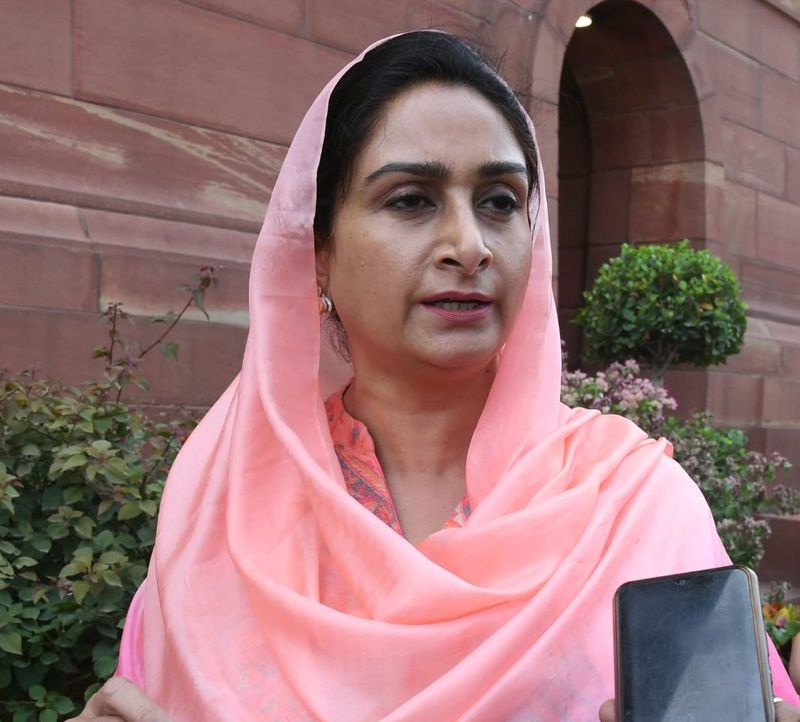
Punjab, historically renowned for its agriculture and culture, is currently grappling with a severe drug crisis. This crisis has not only created social turmoil but has also generated significant political tension. Recently, a major incident unfolded when veteran personality and political leader, Smt. Harsimrat Kaur Badal, commented on the issue of drugs concerning Punjab's current Chief Minister, Bhagwant Mann. While this comment is part of general political discourse, it also reflects the ongoing, deep-rooted debate surrounding Punjab's security and the drug trafficking network.
This is more than just a political statement; it signals the massive negative impact on the socio-economic fabric of the state. Such remarks from Harsimrat Ji have once again heightened tensions between the state government and the opposition, potentially diverting focus from critical issues like drug prevention.
Ground Reality and Key Details
Our analysis suggests that Punjab's drug crisis is a multifaceted problem rooted not just in information gaps or political interference. It is intrinsically linked to economic distress, uneven agricultural development, and the increasing demand for recreational substances among the youth. Harsimrat Kaur Badal’s questions directed at Bhagwant Mann will likely focus on the drug trafficking networks and the efficacy of state-level interventions. When such statements are made, the public doesn't just assess political credibility; they view it through the lens of the safety and future of Punjab's youth.
It is crucial that this issue not be divided into 'who said what' or 'which party.' Instead, we must understand that the real battle is not with any opposition group, but with the web of drugs itself—a web eroding our fields and families. The basis for the state government’s reports and arrests must stem from a deep understanding of this crisis, rather than mere political rhetoric.
Impact on Punjab's Districts and General Public
The direct impact of this tension can be felt in every corner of Punjab—be it Bathinda, Ludhiana, or Patiala. For the common citizen, the situation is alarming because the rising drug use adds a new layer to the economic struggle of poor families. Even farmers working in the fields, who deserve the dignity of their labor, are getting trapped in the allure of 'easy' income provided by drugs.
For students and youth, who represent the state's future generation, this is a major threat. When political debates distract from core issues, the focus shifts away from what is happening to their government jobs and economic safeguards. Therefore, we need an approach that rises above politics, one that addresses the tears of human life and the loss of hard-earned labor.
Government Statements and Administrative Action
Whenever such a major political controversy erupts, governments attempt to strengthen their legal and administrative preparedness. Demanding serious statements on the drug crisis implies that administrations feel the need for more coordinated and novel strategies than relying on two-year-old legal frameworks. At the administrative level, hearing about arrests by local police departments is common, but true success lies in reaching the root cause of these seizures.
Therefore, the government must incorporate 'Community Participation' into its anti-drug efforts. The work cannot be limited to arrests; it must also involve public awareness and the modernization of rehabilitation centers. This is a long-term control measure, not a one-day victory.
Expert Opinion and Future Analysis
Experts in social science and security view this entire matter as a complex 'socio-political interaction.' They believe that as long as the economic circulation of drugs remains legally profitable, political debates cannot stop it. A forward-thinking approach demands viewing the drug menace not merely as a 'crime,' but as an issue of 'public health' and 'economic development.'
One official noted that Punjab requires a 'complete economic circle,' one with better non-agricultural job opportunities for the youth. When manual laborers receive fair wages and security, they will not turn to easy paths. Therefore, focusing entirely on new agri-based industries is the greatest legal and social weapon.
Key Takeaways for Citizens & Q&A
In this complex environment, what steps should ordinary citizens take? The first and most crucial point is awareness. Families must talk openly with their youth, without any fear or sense of hiding. Secondly, it is vital to utilize the health and psychological counseling camps run by the government, as treatment begins with the first step.
❓ Question: Should we report any drug-related activity to the authorities? ✅ Answer: Yes, but this should be limited to large networks. If you need help for a personal matter, contact local government community centers or Aanganwadi workers, as they can provide accurate guidance and immediate assistance.
In conclusion, it must be remembered that the drug crisis is not a 'political talking point,' but a real menace threatening the 'life-web' of every family in Punjab. Therefore, sound legal and social reforms are far more important than any rhetoric or statement.




💬 ਪਾਠਕਾਂ ਦੀਆਂ ਟਿੱਪਣੀਆਂ / Reader Comments 0
ਆਪਣੇ ਵਿਚਾਰ ਸਾਂਝੇ ਕਰੋ। ਕੋਈ ਲੌਗਿਨ ਜ਼ਰੂਰੀ ਨਹੀਂ!
ਸਭ ਤੋਂ ਪਹਿਲਾਂ ਆਪਣੀ ਰਾਇ ਦਰਜ ਕਰੋ!
ਬੀ ਰਹਿਓ ਪਹਿਲੇ ਟਿੱਪਣੀਕਾਰ (Be the first to share your thoughts).