

The Context and Core Drivers
Punjab, long celebrated as the 'Granary of India,' has always been a hub of political activity. However, today the state confronts significant crises across multiple fronts. When discussing the 2027 Assembly elections, it is not merely about changing the government; it is fundamentally about re-establishing Punjab's economic and social bedrock. Over recent years, mounting pressure on agriculture, dwindling water resources, and a scarcity of job opportunities have altered the very trajectory of the state.
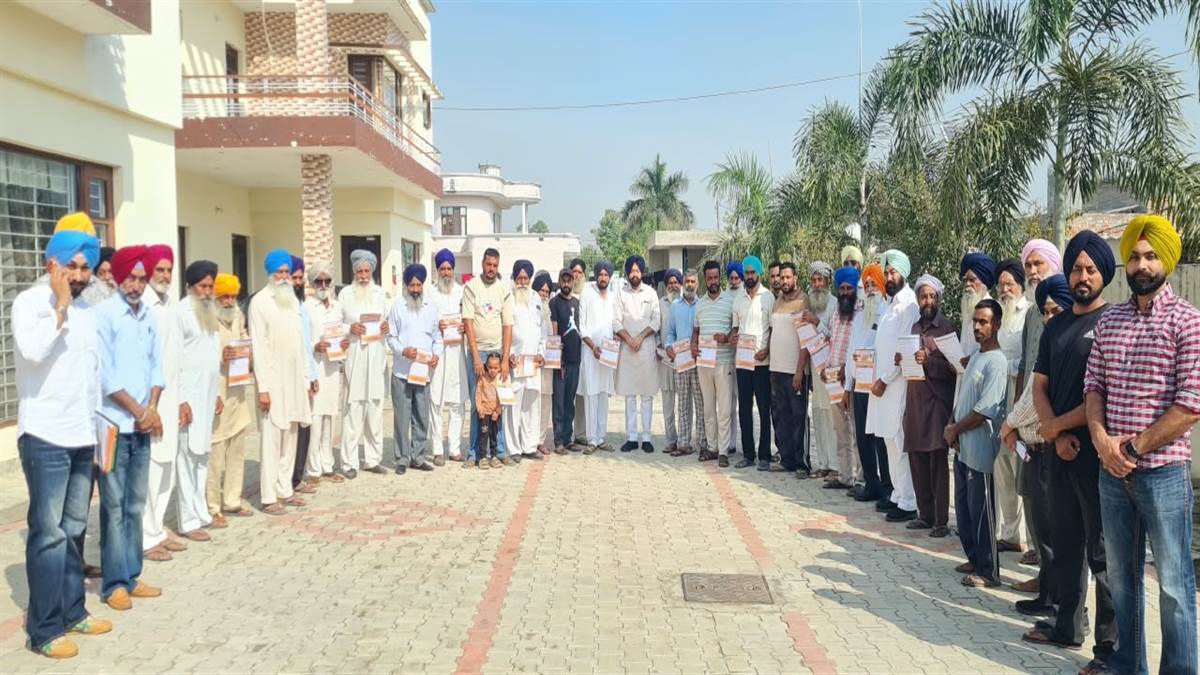
In this backdrop, political campaigning often remains visual and emotionally charged, but the real story lies in the changes happening at the grassroots level. Young people are migrating to major metropolitan areas for education and employment, causing demographic imbalances across Punjab's key regional centers. To truly understand this situation, we must look beyond election slogans and focus directly on the regional economy.
Ground Realities and Key Details
Our research reveals that the state's economy is a complex mosaic. On one hand, agriculture remains a primary pillar, yet its productivity and the remunerative prices farmers receive are declining. On the other hand, the education sector faces major hurdles, demanding modernization of infrastructure in government hospitals and colleges.
A deeper investigation shows that merely announcing large-scale projects is insufficient; implementing and monitoring these projects at the ground level is crucial. When we examine the functioning of local self-governments, a need for detailed, phased oversight becomes evident. In this scenario, any government aims to establish two things: sustainable agricultural practices for the farming community and robust entrepreneurship opportunities for the youth.
Impact on Punjab's Districts and Common People
The outcome in one region of the state cannot be generalized for all of Punjab. Every district possesses its unique economic dynamism. Some regional centers still operate on older models, while others urgently need to pivot towards new IT or service-based economies. This very ambiguity is fueling the political tension.
Agricultural issues directly impact farmers and the poor sections whose livelihoods are heavily tied to agricultural output. Simultaneously, local employment and entrepreneurial avenues for the youth are shrinking, causing significant financial strain on families. All these factors point to a critical question: Should Punjab overhaul its economic strategy, or should it remain dependent solely on government subsidies?
Government Statements vs. Administrative Action
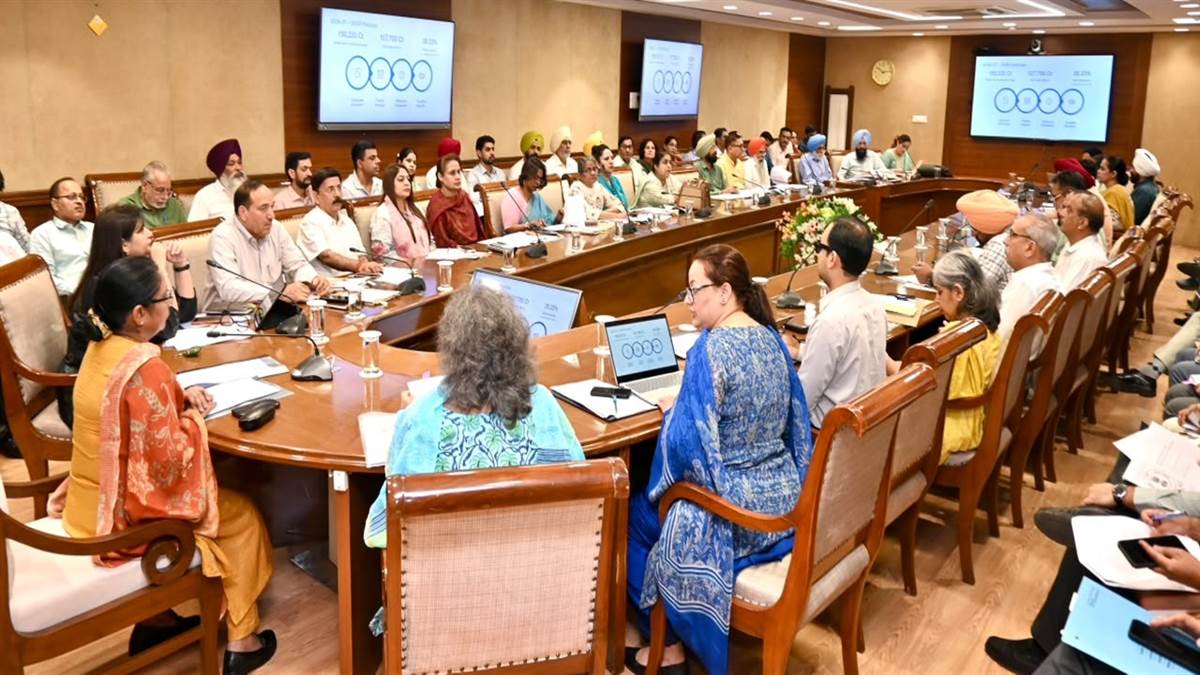
Examining the various measures announced by state governments at different levels reveals a clear gap between rhetoric and action. When a government announces regional development, its success hinges on whether it is backed by administrative will (bureaucratic commitment).
Administrative actions often show a disconnect between ground reality and policy decisions. When demands are raised by farmers or the general public, the response is not always based on credible data but sometimes presented as merely 'symbolic' gestures to defuse political tension. Therefore, any statement must be viewed alongside its concrete implementation plan and monitoring mechanism.
Expert Opinion and Future Analysis
Experts at both local and national levels speak of an 'Economic Transitional Period' for the state. They argue that Punjab must undergo massive changes in its revenue sources by 2027; remaining solely reliant on agriculture is not a viable option for the state.
Another crucial point raised by experts is strengthening the 'Social Fabric.' Building infrastructure alone is not enough; it is vital to keep alive the sense of trust, justice, and shared consensus among the people. If these three pillars—Economy, Social Harmony, and Political Trust—weaken, any government will struggle to fulfill its promises. Thus, an 'All-Inclusive' policy must be formulated post-election that incorporates the voices of all sections.
Key Takeaways for the Common Citizen (Q&A)
In this complex political atmosphere, how can a common citizen form their own judgment? The answer lies in maintaining focus. Instead of getting swayed by grand government promises, pay more attention to what concrete solutions are proposed for your local problems.
Your Question: I feel change is necessary in Punjab, but on what major basis should I cast my vote? Answer: There is no single answer. You must assess which party or candidate's manifesto presents the three core demands—economic support, employment, and healthcare—for your specific area most comprehensively.
Question: Are the current educational institutions equipped for the future? Answer: This requires not just large projects, but a plan for 'Human Resource Investment.' It must be a strategy that addresses the need for teachers and doctors across every corner of Punjab, district by district.

💬 ਪਾਠਕਾਂ ਦੀਆਂ ਟਿੱਪਣੀਆਂ / Reader Comments 0
ਆਪਣੇ ਵਿਚਾਰ ਸਾਂਝੇ ਕਰੋ। ਕੋਈ ਲੌਗਿਨ ਜ਼ਰੂਰੀ ਨਹੀਂ!
ਸਭ ਤੋਂ ਪਹਿਲਾਂ ਆਪਣੀ ਰਾਇ ਦਰਜ ਕਰੋ!
ਬੀ ਰਹਿਓ ਪਹਿਲੇ ਟਿੱਪਣੀਕਾਰ (Be the first to share your thoughts).