
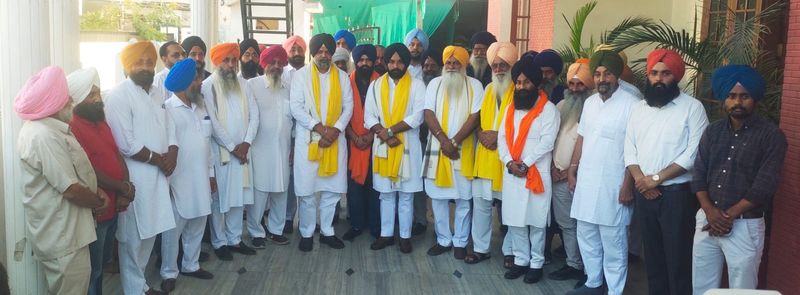
The Context and Political Calculus Behind the Visit
In the realm of politics, any major leader's tour is never merely a casual journey; it is a calculated move designed to strengthen connections with the populace, gauge party standing, and disseminate key political messages. In this context, Manpreet Singh’s visit to Ayali Machhiwara has generated immediate buzz at both local and regional levels. This event isn't spontaneous; rather, it is underpinned by a significant political calculus.
Punjab's political landscape has always been complex, marked by internal party struggles and the influence of regional political currents. Instead of allowing the narrative to be fragmented across various elements, Manpreet Singh presented a unified and controlled message: that he remains deeply connected to the region and understands the everyday needs of its people. Ayali, being a prime commercial hub, provided the perfect ground—a melting pot where all sections gather: businessmen, common citizens, and local influencers.
Reports from this tour have illuminated an even larger political signal: the visible unity among Akali Dal leaders. This is not just a statement; it reflects a shared strength displayed at the regional level, which can pose a challenge to any opposition. This move not only showcases the leader's activity but also attempts to build a robust and cohesive platform within the party itself.
Ground Reality and Key Observations
According to our sources and on-the-ground intelligence, Manpreet Singh's Ayali Machhiwara visit was a meticulously planned and sensitive move. The location is known for its historical and commercial importance, characterized by daily crowds and intense activity. The leader emphasized his desire to connect directly with the local people, focusing on ground realities rather than engaging in abstract policy debates.
Viewing this through a critical lens, the visit also highlights that the Akali Dal is successfully bringing its leaders together under a common platform. In previous times, internal tensions often plagued the party due to various factions and ideologies. However, the shared approach demonstrated during this tour signals an attempt at leadership consolidation. This unity isn't just rhetoric; it suggests a necessary political synchronization behind the scenes.
Reports from the ground suggest that such local tours by the leader have rekindled a sense of hope among the public. People feel most connected when party leaders engage with their daily struggles, moving beyond mere political slogans. This points to a healthy political flow where grassroots connection is valued more than just ideological debate.
Impact on Punjab's Districts and General Public
A visit to a commercial center like Ayali does not remain confined to that area; its influence is felt across the entire economic and social fabric of Punjab. When a major leader establishes his presence in a specific market, it inevitably impacts local economic activities. Traders and shopkeepers interpret this as a signal that the region holds significant political weight, potentially leading to changes in the area's economic map.
For the common citizen, the direct implication is that political discourse must always remain tethered to daily life. Farmers, laborers, and ordinary citizens who earn their livelihood in these markets view such tours as a clear sign that their concerns and conversations are being heard. This builds a strong foundation of trust among the masses—the most valuable asset for any political force.
Viewing this impact through the lens of the Akali Dal, it sends a unified message across Punjab's villages and cities. It suggests an effort to connect with every corner of Punjab, whether it is Ayali’s commercial heart or a rural agricultural belt. This extensive coverage establishes them as a large political force, building a base that ranges from farmers to urban professionals.
Government Statements and Administrative Implications
When high-profile political activities occur, official statements or administrative actions are crucial for validation. While various departments and cabinets operate in Punjab, the absence of any major new announcement from the state administration regarding such a tour generally frames it as a party-level activity. However, its administrative impact cannot be ignored.
Such tours present a specific challenge to local government presences—they must align with the evolving political structure and atmosphere. It becomes necessary for the administration to function while understanding this local tension, ensuring that no major leader's presence is obstructed by governmental mechanisms. This creates an invisible administrative balance that is politically utilized.
If a minister or senior official were to visit this area, they would need to issue a detailed statement addressing all parties. However, the focus of leaders like Manpreet Singh often lies in building personal rapport with the common people rather than issuing administrative directives, which further strengthens their political capital. Therefore, what is observed here is not a specific government declaration, but rather an observation of party influence.
Expert Analysis and Future Outlook
Political analysts view this tour as a positive indication towards the 'reorganization of the party structure.' They argue that the Akali Dal, which holds a deep legacy in Punjab's politics, needs to operate with greater cohesion to consolidate the fragmented influence of its local leaders under one large banner. Experts believe such a visit was not just routine public contact but a strategic move aimed at pacifying internal friction by projecting outward unity.
Another analysis suggests that Manpreet Singh’s position within the party is akin to a 'balancing act'—he is neither fully abandoning old influences nor has he completely integrated into a new structure. This situation places him in a prime position from which he can make his political statements more impactful. In Punjab's political arena, where every move is subject to interpretation, this tour is seen as an attempt to project a 'steelman' image.
Looking ahead, if the Akali Dal genuinely aims for unity, it must sustain these kinds of local outreach efforts. Simply gathering at large forums is not enough; connecting with people's daily lives, especially in commercially and locally significant areas, deepens their roots. Therefore, future steps can be expected to include such 'grassroots level' tours that are not merely ceremonial but genuinely message-driven.
Key Takeaways for the Aam Jan (Common Citizen)
What does this news mean for the common citizens of Punjab, especially the trading community and local residents? First and foremost, it is crucial to understand that political tours are often part of a larger network.
Sources & Verification:
- ▪ Punjabi Tribune: ਰਿਪੋਰਟ ਆਧਾਰ: Punjabi Tribune ↗
🎥 ਸੰਬੰਧਿਤ ਵੀਡੀਓ ਰਿਪੋਰਟ (Related Video)
ਪ੍ਰਤੀਕਿਰਿਆ ਦਿਓ / Your Reaction 0 ਪ੍ਰਤੀਕਿਰਿਆਵਾਂ
ਇੱਕ ਪ੍ਰਤੀਕਿਰਿਆ ਚੁਣੋRelated Stories


💬 ਪਾਠਕਾਂ ਦੀਆਂ ਟਿੱਪਣੀਆਂ / Reader Comments 0
ਆਪਣੇ ਵਿਚਾਰ ਸਾਂਝੇ ਕਰੋ। ਕੋਈ ਲੌਗਿਨ ਜ਼ਰੂਰੀ ਨਹੀਂ!
ਸਭ ਤੋਂ ਪਹਿਲਾਂ ਆਪਣੀ ਰਾਇ ਦਰਜ ਕਰੋ!
ਬੀ ਰਹਿਓ ਪਹਿਲੇ ਟਿੱਪਣੀਕਾਰ (Be the first to share your thoughts).