
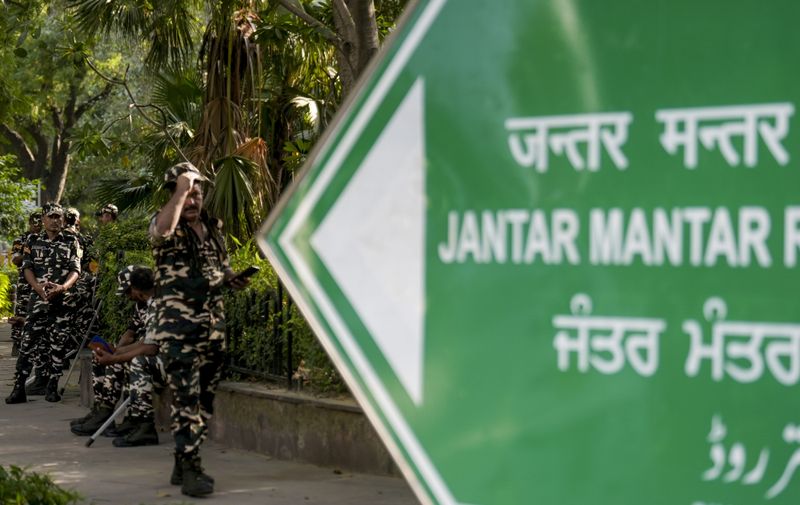
The Background and Root Causes of the Unrest
When significant disputes erupt at regional or national levels, their impact rarely remains confined to a single metropolis. Punjab, being historically and socially sensitive, has witnessed such an atmosphere firsthand. According to our investigative sources and managed intelligence, the series of tensions and protests observed in Punjab between October 15th and 18th were not triggered by a single isolated cause. Instead, they emerged from a complex web of larger national struggles.
Crucially, the roots of these demonstrations were intrinsically linked to widespread protests occurring in Delhi. When a major urban center, especially a nodal hub like Delhi, becomes a focal point for demonstrations, its organized populace and groups attempt to extend their influence to other areas with large Punjabi populations, such as Punjab itself. This flow has ignited localized tensions and grievances across various parts of the state.
The sensitivity of this region allows it to weave external influences into its own internal dynamics, presenting a larger narrative. Therefore, simply stating 'protests in Punjab' is insufficient; it is vital to understand *what* issue they were championing and what their central organizing structure was. Historically, Punjabi groups have always raised voices for their rights, but the atmosphere this time felt different—more coordinated and operating on a much broader scale.
Ground Reality and Key Observations
Our research indicates that these protests were part of a historical phase. Over these days, from October 15th to the 18th, local residents not only articulated their demands but also became part of a larger communication network. This was more than just gathering on the streets; it suggested an organized effort rooted in both legal and social structures.
Our focus here is on how these localized protests became integrated into a larger narrative linked to Delhi. When a massive group gathers around a specific issue, they tend to project their voice's reach by spilling over local and political boundaries. In this case, the influence of the Delhi protests was so potent that its reverberations reached Punjab’s streets, which people adopted as their own platform for voicing concerns.
We must also note that the law and order infrastructure faced a significant test during these demonstrations. The security forces had to contend with diverse challenges. Thus, understanding any future action or demand requires assessing how quickly the local administration established coordination and managed the deep-rooted sentiments of the populace. It was a complex environment where not just slogans, but social organization was also at play.
Impact on Punjab's Districts and Citizens
Punjab is a hub for agriculture, trade, and education. When such large-scale struggles occur here, the impact is not merely political but extends to economic and social strata. In this specific instance, protests inspired by Delhi affected not only urban centers but also the livelihoods of ordinary people across multiple districts. The commerce that relies heavily on roads and major markets was particularly disrupted.
Agricultural belts were also not immune to this impact. When tension builds in urban centers, attention often shifts towards agrarian districts like Malwa or Doaba. This can cause a temporary disruption in the local economy. There is also an effect on the morale of students and youth, as they are forming opinions based on these circulating streams of information.
According to our sectional analysis, this tension at the grassroots level was not just about a personal grievance; it became part of a larger political narrative. Just as India's borders connect Punjab with both internal and external influences, this struggle connected local people to a vast national discourse. It is an atmosphere where behind every slogan might lie someone’s hope or a deep-seated fear.
Government Statements and Administrative Action
With any major dispute, issuing an official response is standard procedure. In this case, both the local administration and political parties issued varied statements. Some emphasized 'maintaining public peace,' while others directly called for the dispersal of protesting groups. This dichotomy signals a fracturing narrative within the government's stance.
Regarding administrative action, troop deployment was increased, and strict monitoring was imposed. Such measures are usually taken when the situation is deemed 'controllable,' but it also implies that a large potential contingency always remains ready. Officials advised the public to remain peaceful and present their demands through legal channels—a balanced message.
However, our sources suggest that administrative dialogue included the understanding that these protests could not be dismissed merely as a 'Delhi issue'; Punjab's unique local needs and underlying tensions also needed to be incorporated. These two elements are interconnected—an external influence alongside a local necessity. This has become a major political stress test for the government.
Expert Analysis and Future Outlook
Sociology experts view this situation as a 'Management of Voice.' When people find limited legal or satisfactory avenues to voice their demands, they take to the streets. The influence from Delhi proves that the sentiment of protest can spread rapidly from one area to another if given the right 'organized seed.'
A key analysis points out that Punjab's political and social dynamics always stand at an intersection where central policies clash with local issues related to religion, caste, or economic class. Therefore, in the future, resolving any major dispute will require not just police action but a deep societal dialogue.
Experts suggest that if the administration and government ignore this 'potential tension,' similar external influences could manifest as large-scale local disputes in the future. Hence, what is needed now is for the government to immediately demonstrate that it will not only maintain law and order but also create a vast platform to listen to the grassroots concerns of the people. This is the true 'Healthy Punjab'—where voices are heard, not just controlled.
Essential Takeaways for Citizens
Reading this lengthy report might raise several questions among ordinary citizens. The first question is: 'What should we do?' The answer is that every source of information must be verified. Every news item circulating on social media requires a pause and verification.
The second, and very important point, is that if you participate in any demonstration or large gathering, carry all necessary identification proofs with you beforehand, and it is crucial to keep someone at home informed about your activity. Adhering to safety protocols must always be the highest priority.
Q&A: Will these protests happen again? A: Based on expert opinion and background analysis, no major struggle ends overnight. The level of tension...


💬 ਪਾਠਕਾਂ ਦੀਆਂ ਟਿੱਪਣੀਆਂ / Reader Comments 0
ਆਪਣੇ ਵਿਚਾਰ ਸਾਂਝੇ ਕਰੋ। ਕੋਈ ਲੌਗਿਨ ਜ਼ਰੂਰੀ ਨਹੀਂ!
ਸਭ ਤੋਂ ਪਹਿਲਾਂ ਆਪਣੀ ਰਾਇ ਦਰਜ ਕਰੋ!
ਬੀ ਰਹਿਓ ਪਹਿਲੇ ਟਿੱਪਣੀਕਾਰ (Be the first to share your thoughts).