
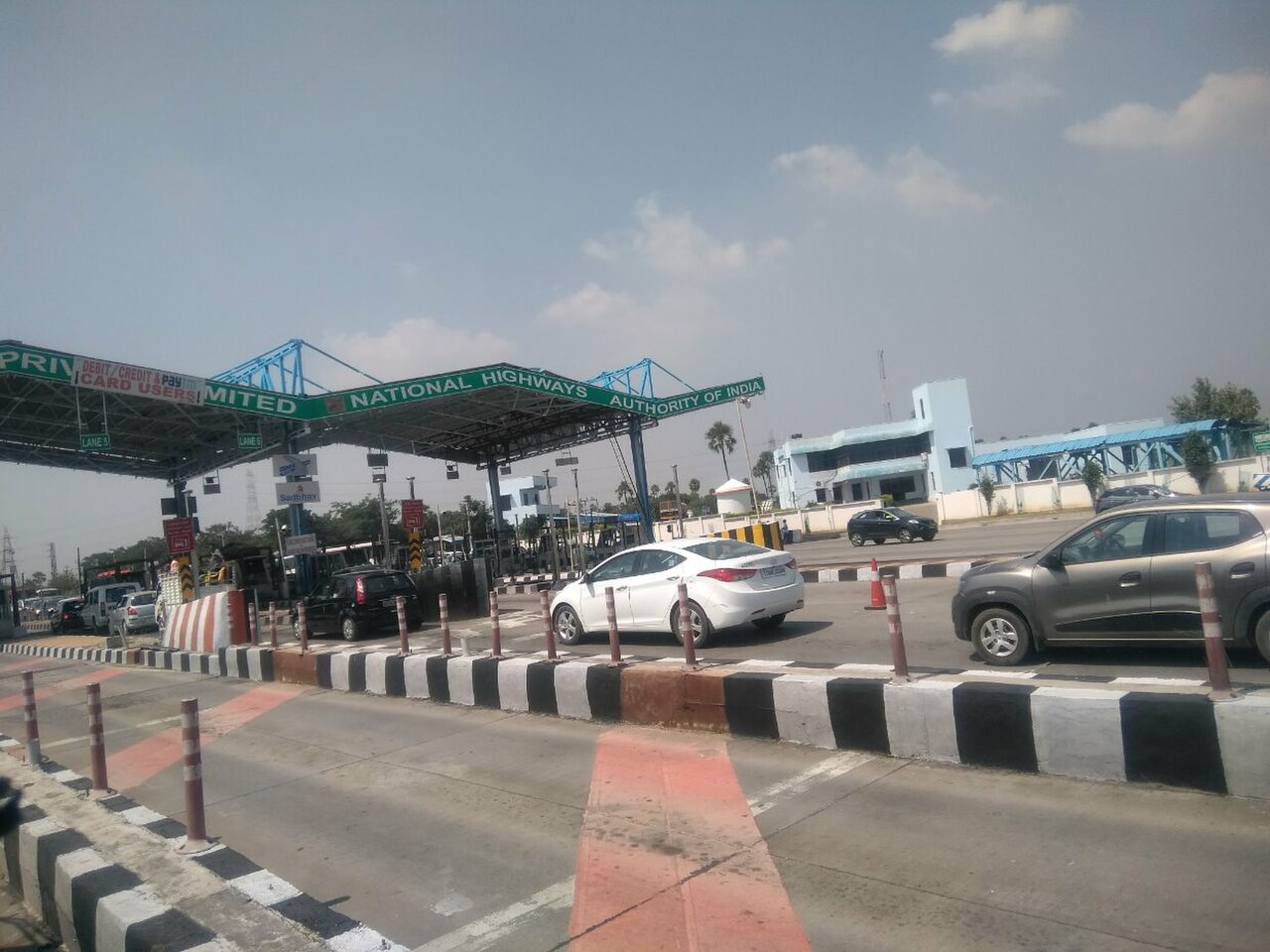
Punjab Bandh Controversy: Roadways Staff's Support Raises Questions Over Governance
(An Analytical Report from My Healthy Punjab)
Background and Core Issue
Punjab, renowned for its rich cultural heritage and agricultural backbone, is currently navigating an environment of rising disputes and palpable tension. Whenever a major political or social crisis grips the state, a natural friction point emerges between administrative directives and the daily necessities of the common citizen. In such a context, when reports surfaced about a potential 'Punjab Bandh' (state shutdown) due to specific causes, local journalism brought to light an incident that immediately sparked public conversation. This event pertains to a government institution, specifically the Roadways department, whose employees provided support by keeping services running despite the declared halt.
Such incidents invariably raise questions: Was the priority given to official regulations and public safety, or was this part of some underlying political calculus? The roadways are considered the lifeline of Punjab's transport network. The proactive stance shown by these employees both instilled hope among the public and simultaneously raised queries regarding administrative procedures.
Ground Reality and Key Details
The report presented by PTC News serves as the focal point of this situation. It confirms that while news circulated about transportation halts in several areas, रोडवेज staff provided their cooperation to run government buses. This is not merely a description of a journey; it is a testament to administrative accountability and a display of civic duty—a commitment to performing one's duty even amidst political turmoil.
When a large-scale shutdown occurs, the immediate need for regular transportation for the general populace is paramount. In this context, government buses are considered the largest and most reliable means of transport. The actions of the रोडवेज employees suggest that they are not just rule-followers but also individuals who feel a sense of social responsibility. It is crucial to note that this effort was not confined to one specific area; it felt embedded in the very fabric of Punjab's transportation system.
It is evident that government institutions must function continuously, regardless of the prevailing political climate. The रोडवेज demonstration confirms that they view their duty not as a political affiliation but as a fundamental public service. However, the lingering question remains: Was this 'support' pre-planned, or was it an immediate reaction under media pressure?
Impact on Punjab's Districts and Citizens
The direct impact of this incident has been felt in every corner of Punjab, especially among those whose livelihoods depend on mobility. For the farming community, reaching fields, selling goods in markets, or sending children to school—all these rely heavily on transport. When a major government service like रोडवेज grinds to a halt, it disrupts the entire agricultural and commercial cycle.
Ordinary citizens traveling from urban centers to villages view this incident as a paradox: conflict reports on one hand, and dedicated service from government workers on the other. For students, it is a direct issue of how they will reach their educational centers. When रोडवेज services remain continuous, it provides immense relief to the public, easing the burden on their minds.
Therefore, the work done by रोडवेज transcends mere transport policy; it is an integral part of Punjab's economic and social life. The running of buses to agricultural markets is seen as a means to sustain Punjab's economy, irrespective of any political crisis in the state. People demand more than just safety; they demand continuous services unaffected by any circumstantial condition.
Government Statements and Administration
In such situations, it is vital for the government to issue clear and timely statements to prevent the spread of misinformation among the public. While रोडवेज employees provided service at their level, this action should ideally be under official sanction and directive to avoid any misunderstanding. At the administrative level, when a crisis hits the state, there must be a centralized and proactive communication plan.
Government statements should not only convey 'what is happening' but also detail 'what steps are being taken' to meet public needs during such times. If a major service like रोडवेज remains operational, it must be backed by a clear, coordinated governmental plan. The news reports were unclear whether रोडवेज acted on an order from any senior state official or if it was their own initiative. Clearing up this ambiguity is a significant task for the administration.
Expert Opinion and Future Analysis
Social science experts view this incident not merely as 'service' but as an 'Institutional Response.' It suggests that when government bodies feel bound by their duty to the people, they operate above political tensions. This is a positive sign. However, it also highlights the need for improvements at the administrative policy level.
Analysis suggests that in the future, the state government needs to create a mechanism through which all major service systems (like Roadways, Police, and Electricity) can coordinate instantly during times of crisis. This cannot guarantee that no shutdown will happen, but it is crucial to ensure that services experience minimal disruption.
Key Takeaways for Citizens & Q&A
What should the common citizen learn from this entire episode? Firstly, before believing any major news, it is essential to verify information from official and reputable media sources. Secondly, we must view services like रोडवेज not as a privilege, but as a fundamental right. During any dispute, one must keep in mind that essential services cannot be halted under any circumstances.
'❓ Frequently Asked Question: If such a crisis occurs, where should we seek information first?✅ Answer: Always rely on official government emergency numbers and statements from reputable mainstream media.
This incident reminds us that every service in Punjab, especially transport, is not just a matter of policy; it is a matter of livelihood. Therefore, the government and institutions must work with continuous improvement and transparency so that they do not remain mired in such controversies.



💬 ਪਾਠਕਾਂ ਦੀਆਂ ਟਿੱਪਣੀਆਂ / Reader Comments 0
ਆਪਣੇ ਵਿਚਾਰ ਸਾਂਝੇ ਕਰੋ। ਕੋਈ ਲੌਗਿਨ ਜ਼ਰੂਰੀ ਨਹੀਂ!
ਸਭ ਤੋਂ ਪਹਿਲਾਂ ਆਪਣੀ ਰਾਇ ਦਰਜ ਕਰੋ!
ਬੀ ਰਹਿਓ ਪਹਿਲੇ ਟਿੱਪਣੀਕਾਰ (Be the first to share your thoughts).