
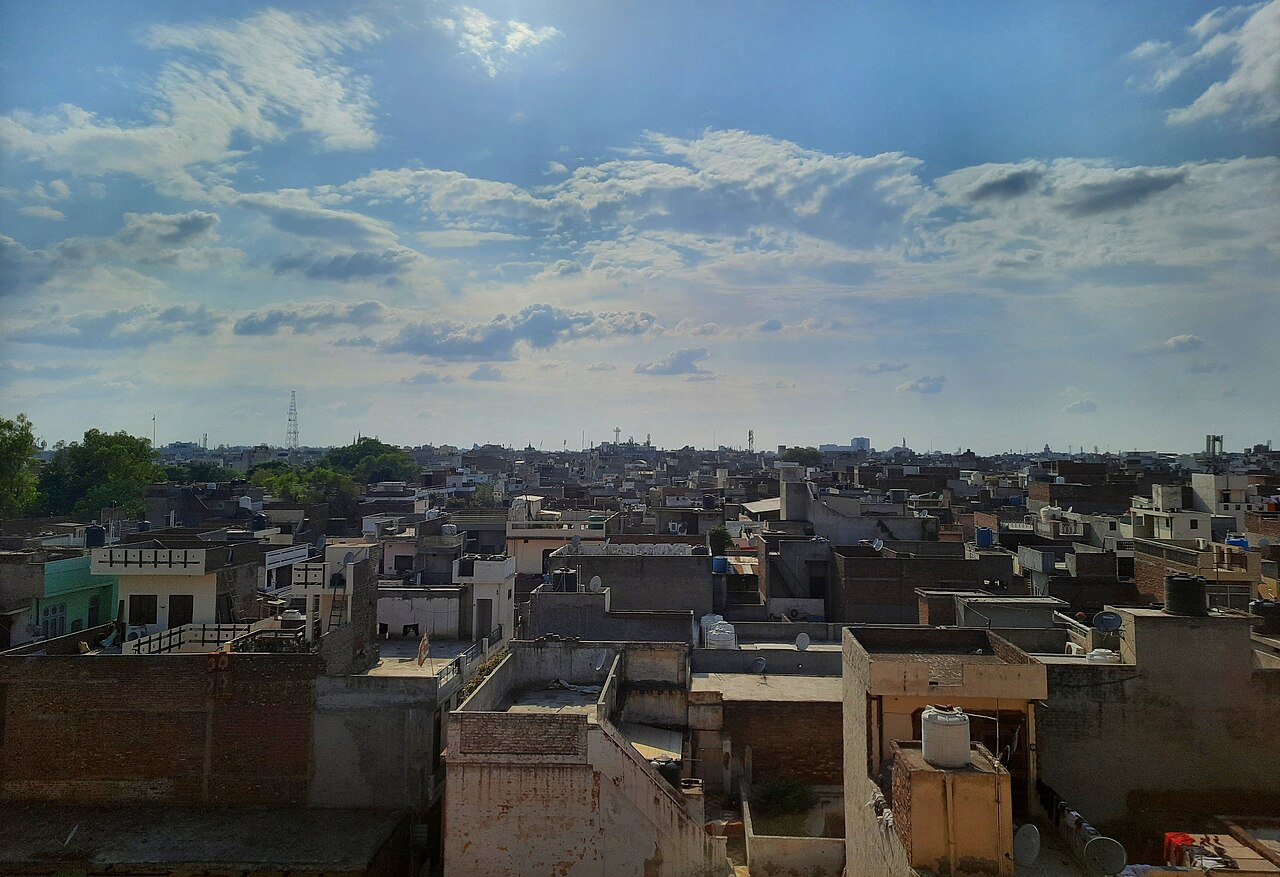
Anganwadi Workers' Demand in Ludhiana: A Dialogue Between Top Policy and Ground Reality
As part of My Healthy Punjab’s in-depth investigative series, we bring you crucial debates unfolding across the administrative and social landscapes of Punjab. Recently, an incident related to Ludhiana district has brought to light a serious demand from Anganwadi workers who operate in the spheres of maternal and child health care. This demand is not confined to a routine administrative meeting; rather, it represents a larger dialogue concerning state government policies, recognition of the workers' labor, and their future security.
Background of the Issue and Core Causes
The root of this situation lies in an urban-rural mix like Ludhiana, where the role of Anganwadi workers is immensely significant. These workers are not merely support staff; they are frontline healthcare providers who ensure government services reach mothers and children. Any recent protest or demand, as reported by our sources (Hindustan Times), centers on the requirement for the Chief Minister's direct presence at any meeting.
The background of this demand suggests that the workers feel their issues—concerning their work and welfare—need to be heard not just at the Tehsil or District level, but at the apex policy-making level of the State (CM’s level). This indicates that problems they face in their daily work, such as salary disputes or resource shortages, are not being resolved through routine administrative channels.
Ground Reality and Key Details
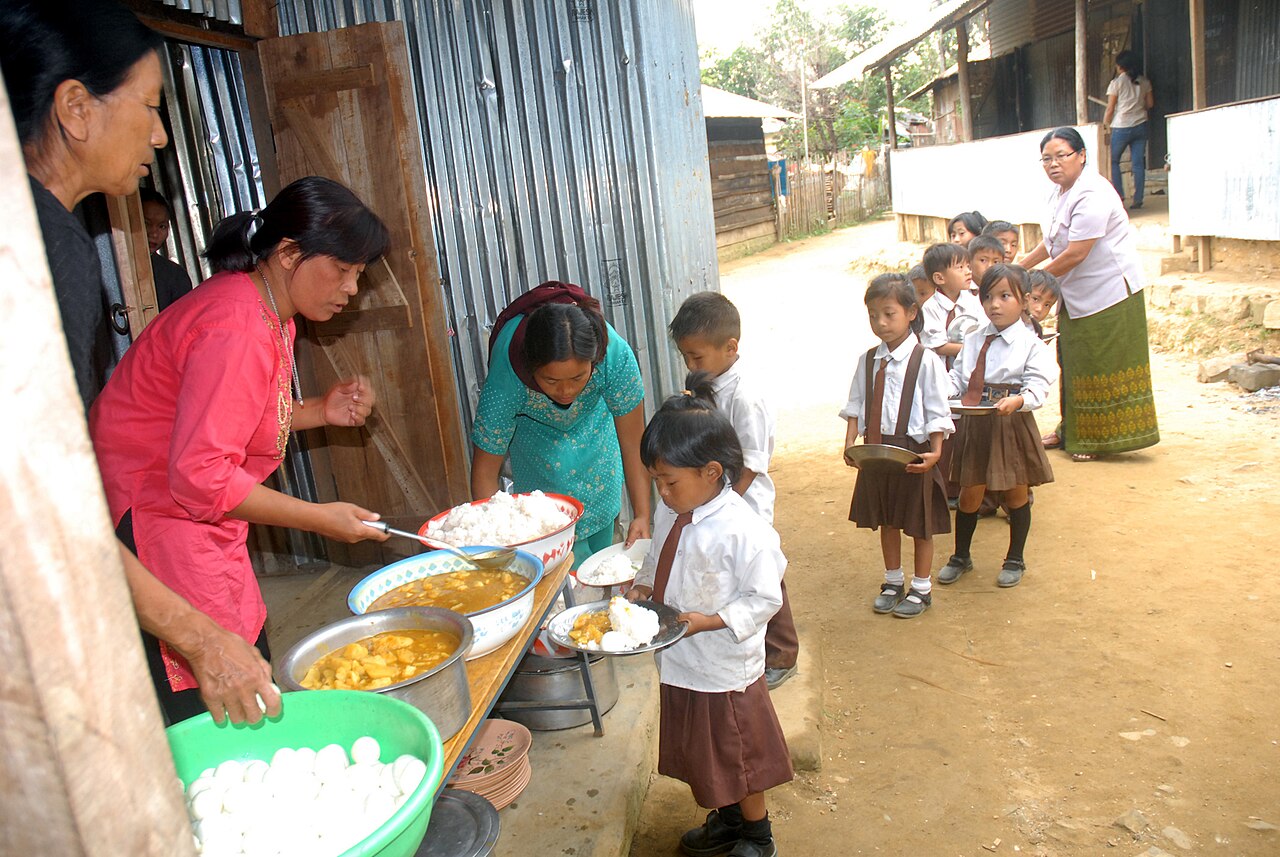
According to our investigation, this demand might be linked to a specific project or policy change directly impacting the workers' function at the grassroots level. The scope of Anganwadi work is vast; it includes not only health awareness but also implementing nutrition models and sterilizing various government schemes. When these dedicated individuals face genuine operational crises, their demands must be addressed at the highest levels.
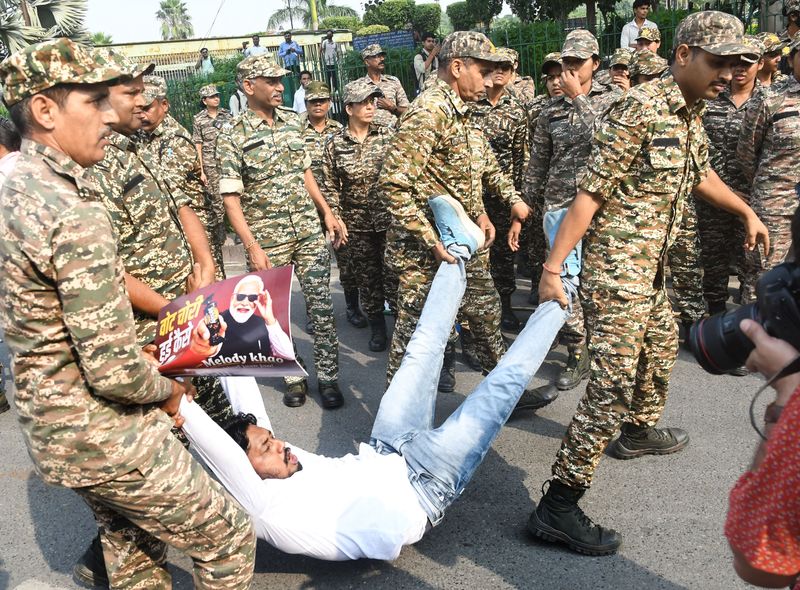
As an investigative journalist, it is crucial to determine whether this demand is limited to media coverage or if it reflects a call for tangible ground-level action. If this is a major collective demonstration, it implies a deep sense of frustration within the established governmental structure, compelling them to appeal directly to the state's chief decision-maker. It could also be symbolic, demanding large-scale policy reform.
Impact on Punjab’s Districts and General Public
This issue is not confined to Ludhiana; it is intrinsically linked to the entire maternal and child health care system across Punjab. The functionality of Anganwadi workers directly ensures health security for families in economically weaker and remote areas. If these essential workers do not get their issues resolved, the momentum of healthcare services throughout the district could stall.
For the general citizen, this serves as a clear reminder that improving access to government amenities requires more than just addressing minor administrative glitches—it is a fundamental right. This is a dynamic subject directly connected to Punjab's social well-being, making reforms in state policy imperative.
Government Statements and Administrative Action
When such demands are raised, the public awaits a response from the government. In this specific case, since only the demand has surfaced without mentioning any immediate administrative action, no official statement is available within our investigative scope. However, historically, when a group's pressure mounts, the administration typically responds in one of two ways: either by scheduling a meeting and promising minor improvements, or by announcing that all issues will be handled internally.
The core issue here is that the workers are insisting that if their problems cannot be solved merely by shuffling files in offices, then the personal and sensitive involvement of the highest authority is necessary. This points to an administrative 'gap' that needs filling.
Expert Opinion and Future Analysis
Social service experts argue that Anganwadi workers require not just financial support but also professional recognition. They function like a grade profession where changes in rules or resources can diminish their dignity. The future analysis suggests that the state government must adopt a 'premium' approach—one that includes not only an announcement but also a partnership model to implement that announcement at the ground level.
In this context, we need to ascertain whether the government views this demand merely as a 'workplace' issue or as a matter of 'Social Investment.' Understanding this is vital if any reform is to take place, given that these workers are arguably the state's most valuable asset in health and nutrition.
Key Takeaways for Citizens and Q&A
What should ordinary citizens take away from this investigation? First, when such issues arise, people must understand the underlying causes with sensitivity. This is not just a demand for salary; it is a right to an organized working structure.
Key Takeaways For You:
- Support: It is crucial to view the work of Anganwadi workers with support, as it is directly linked to the health of your families.
- Awareness: People must remain aware of how vital respect and cooperation with Anganwadi workers are for availing government schemes.
Administrative Advice: If you feel any problem in this sector, rather than going straight to a high official, first prepare a written and logical report at the district level. This ensures that your demand is properly documented.

💬 ਪਾਠਕਾਂ ਦੀਆਂ ਟਿੱਪਣੀਆਂ / Reader Comments 0
ਆਪਣੇ ਵਿਚਾਰ ਸਾਂਝੇ ਕਰੋ। ਕੋਈ ਲੌਗਿਨ ਜ਼ਰੂਰੀ ਨਹੀਂ!
ਸਭ ਤੋਂ ਪਹਿਲਾਂ ਆਪਣੀ ਰਾਇ ਦਰਜ ਕਰੋ!
ਬੀ ਰਹਿਓ ਪਹਿਲੇ ਟਿੱਪਣੀਕਾਰ (Be the first to share your thoughts).