
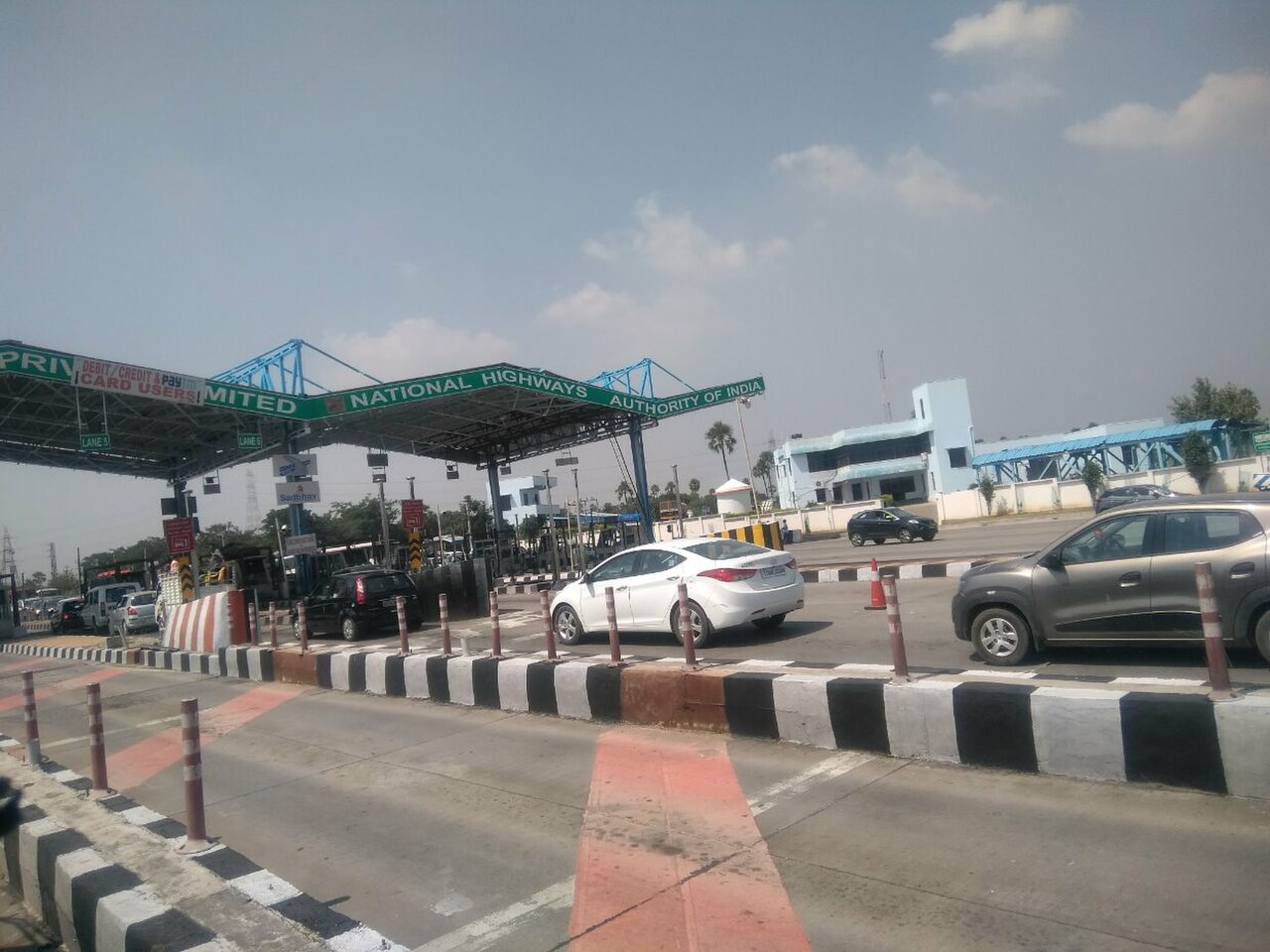
Demand to Shut Down Punjab: Farmers Appeal for Unity, Creating Tense Atmosphere Across State
In the sphere of My Healthy Punjab, a palpable atmosphere of political and economic tension has settled over the land of our Punjab. Farmer unions are issuing calls to shut down the state, appealing to ordinary citizens and stakeholders to ensure the success of this movement. This is not merely an issue for farmers; it is a profound subject linked to Punjab's agricultural, cultural, and economic lifeline, impacting every facet of life.
Background and Core Causes of the Unrest
Punjab, renowned for its agricultural prowess, is currently trying to diversify its income sources beyond farming. However, the core focus of the farmer unions remains deeply rooted in agrarian issues. Over recent times, deep dissatisfaction among farmers has built up concerning crop prices, the mandi (market) system, and government policies. Exacerbating this tension, as disputes shift towards land rights, several organizations are suggesting drastic measures like a state shutdown to press their demands on Punjab's administrative and economic centers.
In this context, the loud voice of the farmer unions signals a demand for social solidarity—that no administrative or political action can be confined to just one segment. Involving the general populace is what gives any protest its full strength and seriousness, compelling the government to consider their demands with greater gravity.
Ground Realities and Key Details
A fact-check reveals that this unrest is not just a slogan; it reflects the emotional state of the farming community. Workers in the fields live under constant stress regarding their daily income. Issues like the establishment of mandis and commodity prices are areas where farmers feel their rights are being ignored. Consequently, farmer unions have sought support from all sections so that this struggle does not remain merely a 'farmer's issue' but becomes an issue for the entire 'Punjabi populace.'
Given this situation, major unions have indicated that public awareness and the role of common people will be vital components of this campaign. It cannot be limited to just the agricultural platform; it is crucial to involve urban youth, laborers, and the business class so that no governmental or political decision can be overlooked. This is a call for broad societal unity, rooted in the importance of agriculture.
Impact on Punjab's Districts and General Public
The effect of this tension is being felt in every corner of the state. From regional agricultural markets to large urban commodity exchanges, there is an atmosphere of echoing concern. Debates continue regarding commodity prices at mandis like Anandpur Sahib, which directly affects the entire region's economic climate.
This situation directly targets several groups. Those whose livelihoods depend on agriculture are immediately affected in their source of income. Furthermore, a sense of restlessness can be seen among Punjab's youth, who are ready to connect with their agrarian roots and demand better policies from the government. The state is already grappling with multiple social challenges, and this unrest could put added pressure on any major administrative department.
Government Statements and Administrative Action
When such protests erupt, the government always issues some statement. Depending on the situation, various steps can be taken at the governmental level to de-escalate tension and maintain peace. Generally, the administration tries to prevent any violent incidents and keep the situation calm. Ministerial statements usually aim to convey that the government is ready to listen to the people's concerns and will find solutions through dialogue.
However, when demands escalate to the point of a state shutdown by farmer unions, it poses a major challenge for the administration to respond immediately and comprehensively. In such scenarios, it is necessary not to view the farmers' issue merely as a rural concern but as part of a broader socio-economic dialogue. Administrative actions involve deploying security forces and attempting to disseminate messages of peace through the media, though social friction can make this more complex.
Expert Opinion and Future Analysis
Sociological experts suggest that this conflict is a manifestation of the long-term deterioration in Punjab's agricultural system. Analyzing the situation, experts argue that no improper problem can be solved merely through physical demonstrations like 'shutting down Punjab.' The necessary solution lies only in comprehensive economic reforms, better weather predictions, and the integration of technology into the mandi system.
Another point is that if opportunities are shown to farmers not just in agriculture but also in other industrial and service sectors of Punjab, the tension can subside. Future analysis suggests that if the demand of the farmer unions is viewed not merely as a 'demand' but as an indicator for redesigning Punjab's economic map, deep dialogue between the government and opposition groups could emerge. Ultimately, the state stands at the threshold of a major economic transformation.
Key Takeaways and Q&A for General Citizens
In this critical situation, what should general citizens keep in mind? The first and most crucial point is not to trust any unverified news. Rumours circulating in the media can further deteriorate the situation. For any major announcement or demonstration, one must rely only on primary and credible sources.
What to do? It is most important for the general public to diversify their sources of income, whether from farming or otherwise. If tension persists around agriculture, pursuing skill-based work remains the right path for urban youth.
Question: Will this conflict halt Punjab's development? Answer: Any major social demonstration has a temporary impact, but if the underlying economic and policy issues are not addressed seriously, it can indeed cause a real setback to development.



💬 ਪਾਠਕਾਂ ਦੀਆਂ ਟਿੱਪਣੀਆਂ / Reader Comments 0
ਆਪਣੇ ਵਿਚਾਰ ਸਾਂਝੇ ਕਰੋ। ਕੋਈ ਲੌਗਿਨ ਜ਼ਰੂਰੀ ਨਹੀਂ!
ਸਭ ਤੋਂ ਪਹਿਲਾਂ ਆਪਣੀ ਰਾਇ ਦਰਜ ਕਰੋ!
ਬੀ ਰਹਿਓ ਪਹਿਲੇ ਟਿੱਪਣੀਕਾਰ (Be the first to share your thoughts).