
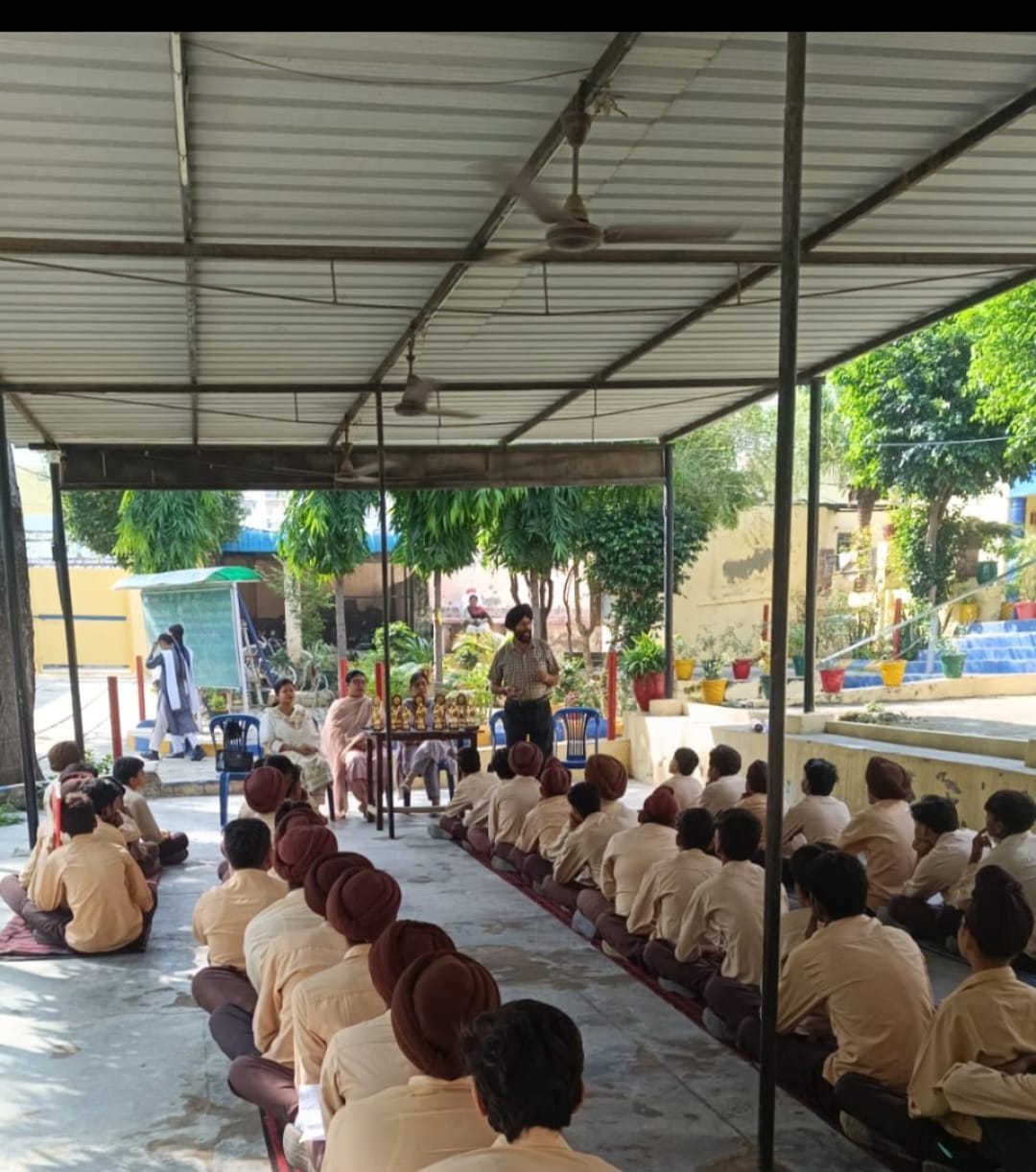
Patiala's Land and the Control of Stubble Burning: An In-Depth Investigative Report
From My Healthy Punjab, we present an extensive and deep investigation into the practice of stubble burning occurring in Patiala's fields. This is not merely an agricultural issue; it is a question concerning Punjab’s environmental future. Sources have clearly urged us: "Let's not burn the stubbles; let's save Mother Earth and the environment." This is not just a conclusion, but a call to action that requires serious consideration from everyone.
Background of the Crisis and Core Causes
For years, this scene has been visible in Punjab's fields with every harvest cycle. After a crop is harvested, farmers have become accustomed to burning stubbles as a seemingly easy and quick method to prepare their land for the next sowing season. This practice creates a vicious cycle; toxic particles are released into the air, posing risks to both human health and the environment.
The Patiala region, due to its agricultural significance, has not been immune to this problem. When plants are burned, it is not just smoke that rises; more significantly, it leads to the breakdown of agricultural norms and a disregard for environmental responsibility. While understanding the economic constraints and time pressures leading to such violations is necessary, it cannot be used as an excuse to neglect environmental duties.
Ground Reality and Key Details
Our investigative work has observed several fields in Patiala where the momentum of stubble burning remains strong. This is not just a visual scene; it is an issue of scientific consequence. When crop residue is burned, the carbon and natural elements present in the stubbles are released into the atmosphere in an uncontrolled manner. This does not only increase breathable particulate matter like PM2.5, but also fuels sources of Global Warming.
The fertility potential of this land is so immense that if it is not managed correctly, future generations will face hunger and environmental crises themselves. The ground reality is that unless we adopt methods to compost or utilize the stubbles through bio-degradation instead of burning them, the future of Patiala's agriculture remains questionable.
Impact on Punjab's Districts and General Public
The problem in Patiala is not limited only to the fields; it disrupts the entire local ecosystem. The health implications are separate concerns. Respiratory ailments such as Asthma and Bronchitis are increasing due to pollution. Young people and children living near agricultural areas are the most affected.
Economically, it is also a loss. When the environment deteriorates, it affects crop quality, leading to reduced income for farmers. The sale of fresh produce in local markets is also impacted because environmental instability erodes consumer confidence. This is an interconnected problem that no single citizen or farmer can be solely responsible for solving.
Government Statements and Administrative Action
In this regard, local governments and the Agriculture Department have repeatedly issued warnings. However, we must note that implementing these statements at the ground level faces numerous hurdles. While the administration organizes mechanical assistance or public awareness campaigns, there is a need to increase the speed and reach of such actions.
Government directives are clear: stop stubble burning in fields and implement penalties. But until farmers are provided with income sources that are more profitable than burning, these rules will remain only on paper. Therefore, the administration must present alternative and economically viable solutions rather than just imposing penalties.
Expert Opinion and Future Analysis
Environmental experts clearly state that stubble burning is a 'Zero-Sum' game—where the farmer's immediate necessity clashes with the long-term health of the earth. Experts suggest solving this crisis through 'Pattern Change.'
The analysis suggests that the right path for Punjab is to adopt 'Agri-management Innovativeness.' It is crucial to increase technical efforts by training farmers to create compost from stubbles in their own fields, or using them as feed material for livestock. This will not only become another source of income but also ensure environmental safety. It demands a model of 'Coexistence,' rather than a method where one party destroys the other.
Key Takeaways and Q&A for General Citizens
What contribution can we, as general citizens, make towards this serious issue? The source's message is absolutely correct: "Let's not burn the stubbles; let's save Mother Earth and the environment." We can implement this message at our own level.
Question: If the government makes rules, how can a farmer get help? Answer: One should contact the Patiala Agriculture Department to inquire about assistance schemes for composting stubbles or other eco-friendly methods.
Question: What is the health risk associated with this? Answer: The risk of respiratory diseases will continue to increase due to long-term exposure, making it necessary to use masks and take health precautions.
We must understand that any technology or government law remains incomplete until it is linked with the awareness of the general public. Therefore, spreading this service message daily within our homes and among students is our greatest contribution.

💬 ਪਾਠਕਾਂ ਦੀਆਂ ਟਿੱਪਣੀਆਂ / Reader Comments 0
ਆਪਣੇ ਵਿਚਾਰ ਸਾਂਝੇ ਕਰੋ। ਕੋਈ ਲੌਗਿਨ ਜ਼ਰੂਰੀ ਨਹੀਂ!
ਸਭ ਤੋਂ ਪਹਿਲਾਂ ਆਪਣੀ ਰਾਇ ਦਰਜ ਕਰੋ!
ਬੀ ਰਹਿਓ ਪਹਿਲੇ ਟਿੱਪਣੀਕਾਰ (Be the first to share your thoughts).