

Mohali's Waste Management: Local Authorities Push for Operationalizing Samgauli Plant
Background and Key Drivers
The accelerating pace of urbanization presents a challenge that no major metropolis can afford to ignore: solid waste management. Mohali (SAS Nagar) is itself a rapidly expanding regional hub situated right at the epicenter of this growth. As population density and commercial activities increase, so does the volume of waste generated. In this context, the Samgauli Waste Disposal Plant has become a critical focal point. This isn't an emerging issue; rather, it is the consequence of long-standing mismanagement in the system.
This background sets the stage for recent statements from the Mohali Mayor, who has clearly stated that 'operationalizing' the Samgauli Waste Plant is a top priority. This doesn't merely mean routine maintenance; it implies revitalizing an entire ecosystem—from waste collection right through to final disposal. When major infrastructure fails to operate at full capacity, the immediate ground reality suffers, and this area stands as the primary locus of that failure.
Ground Reality and Key Details
When we talk about 'operationalization,' we must understand three major components: Collection, Storage, and Final Disposal. The ground reality is that waste generated from various pockets of Mohali arrives in a massive, continuous flow. If this flow isn't managed correctly, it not only becomes a breeding ground for diseases but also poses a threat to vital sectors like agriculture and livestock rearing.
Following the Mayor’s emphasis on this issue, it becomes clear that what is needed at the administrative level is not just data or new regulations, but a complete functional overhaul. This means re-establishing chemical and bio-mechanical processes so that the plant transitions from an 'Open Dumping Site' to a modern waste processing facility. Achieving this requires a convergence of technical expertise and strong governmental will.
Impact on Punjab Districts and Citizens
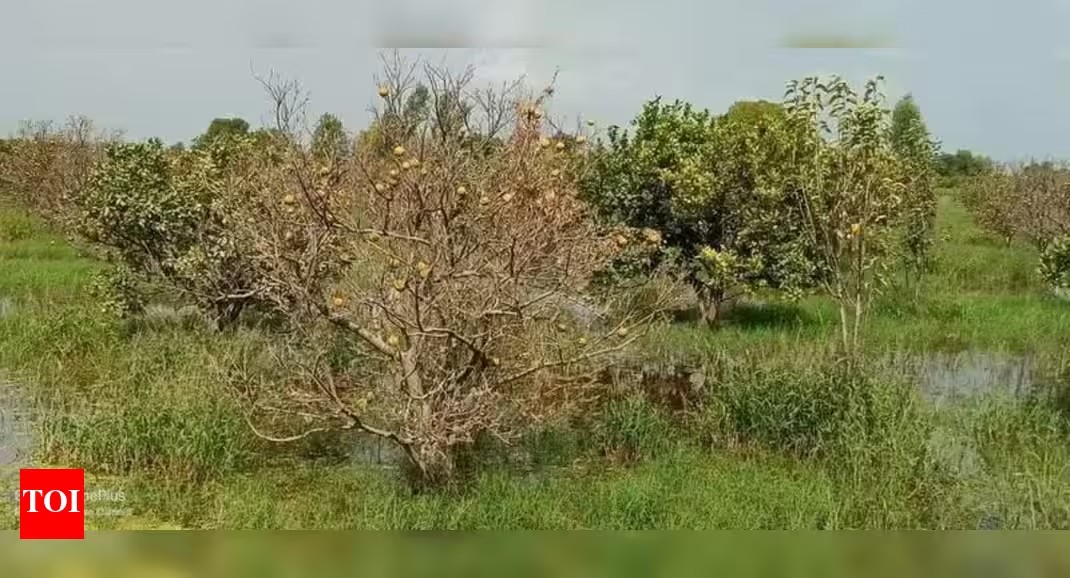
Poor management of a local waste disposal site does not remain confined to city limits. Its effects seep deeply into Punjab's agricultural and bio-economic activities. Toxic chemicals present in the waste leach into the groundwater, directly compromising the quality of water used for irrigation. This puts both crop health and human health at risk.
For the general public, it translates into a direct health crisis. The gases (like methane) emanating from massive heaps of garbage degrade air quality, leading to an increase in respiratory illnesses. Therefore, when officials like the Mayor prioritize this, it is not merely an engineering project; it is intrinsically linked to the future health and agricultural viability of Punjab. Farmers must also recognize their role by ensuring that waste they generate is managed properly to ease the burden on the plant.
Government Statements and Administrative Action
The Mayor's statement serves as a crucial indicator that urban management requires new priorities. The term 'operationalizing' suggests that this system was previously either non-functional or operating below its full potential. Therefore, administrative action must involve not just managing existing resources but also incorporating technical upgradation and robust monitoring systems.
This effort demands the coordination of all departments—Panchayat, Metro Lines, and the Environment Department—at the district level. This cannot be a unilateral decision; it requires a multi-pronged policy approach. If the Mayor champions this cause, the district administration is responsible for formulating an optimal plan in terms of funding and infrastructure. Municipal Corporations will need to implement stricter accountability measures to ensure waste continues to reach the source and is disposed of without delay.
Expert Opinion and Future Analysis
Environmental experts argue that simply 'dumping' or creating a landfill is not the solution. In today's context, waste is increasingly viewed as a 'Resource Stream.' Therefore, instead of just being a disposal site, Samgauli needs to be transformed into a complex Waste-to-Energy or advanced composting center. Expert analysis suggests that if optimized correctly, it could generate revenue tokens and compostable water for the city.
Looking ahead, Mohali must adopt a 'Circular Economy' model. This means finding ways to segregate valuable components from waste and reuse them. If local government and the Private Sector collaborate on this front, the system can become far more efficient. The Mayor’s focus is a positive first step, but it requires support through sustainable regulations and a long-term strategy so that it evolves from being just a 'project' into a 'sustainable system.'
Essential Takeaways and Q&A for Citizens
As a concerned citizen, your role is paramount. This is not solely a government task; it is the responsibility of the entire community. Therefore, keeping certain practices in mind is crucial. First takeaway: Segregation at Source. Household waste must be separated into Biological/Wet Waste and Dry Waste before being handed over to the municipality. This makes the sorting process at the plant easier and allows technology to function as intended.
Your Question: Is it necessary to segregate my waste? Answer: Absolutely essential. It is the first link in the chain; without it, no large processing center can operate effectively.
Your Question: Where should I dispose of hazardous waste? Answer: Never mix batteries, acidic chemicals, or medical waste with general garbage. You must demand special collection points for these items or seek proper guidance from local authorities.
In summary, the Mayor's focus is in the right direction, but realizing it requires every citizen to feel a sense of 'responsibility.' This is not a problem that can be solved overnight; it demands a long-term and comprehensive systemic overhaul.


💬 ਪਾਠਕਾਂ ਦੀਆਂ ਟਿੱਪਣੀਆਂ / Reader Comments 0
ਆਪਣੇ ਵਿਚਾਰ ਸਾਂਝੇ ਕਰੋ। ਕੋਈ ਲੌਗਿਨ ਜ਼ਰੂਰੀ ਨਹੀਂ!
ਸਭ ਤੋਂ ਪਹਿਲਾਂ ਆਪਣੀ ਰਾਇ ਦਰਜ ਕਰੋ!
ਬੀ ਰਹਿਓ ਪਹਿਲੇ ਟਿੱਪਣੀਕਾਰ (Be the first to share your thoughts).