
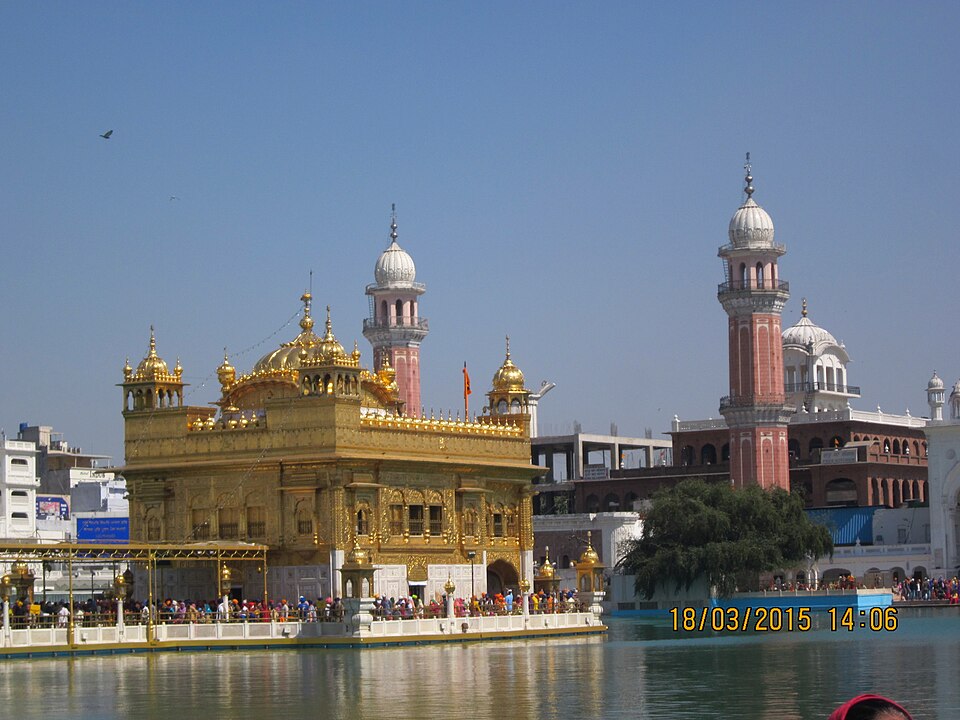
Delhi-Amritsar Rail Corridor: How Will Dwarka Homes Be Protected? An In-Depth Investigation
Large-scale initiatives aimed at revitalizing regional development and infrastructure in Punjab invariably bring about a revolution in the state's economy and lifestyle. Similarly, the proposal to build a new rail corridor between Delhi and Amritsar is not merely a transport plan; it represents a massive effort to connect Northern Punjab with the central market hub. However, whenever mega-projects are discussed, the first question that arises is: what will be the impact on the residents and properties located near this operational zone? Our analysis focuses heavily on how specific locations, particularly Dwarka Homes, might be safeguarded from the potential fallout of this project.
Background and Rationale
Historically, the railway link between Delhi (or the National Capital Division) and Amritsar has been considered a lifeline for transportation. But due to increasing population density, vehicular volume, and persistent congestion issues in movement, there is a growing need to elevate this link to the next level. This rail corridor has the potential to be more than just a railway line; it can become part of a comprehensive mobility network. The project has been planned on a grand scale, expected to improve the region's economic circulation. It aims to connect the state to the center in a much stronger manner, necessitating a major overhaul of infrastructure across Punjab’s map.
Land Reality and Key Details: The Safety Angle for Dwarka Homes
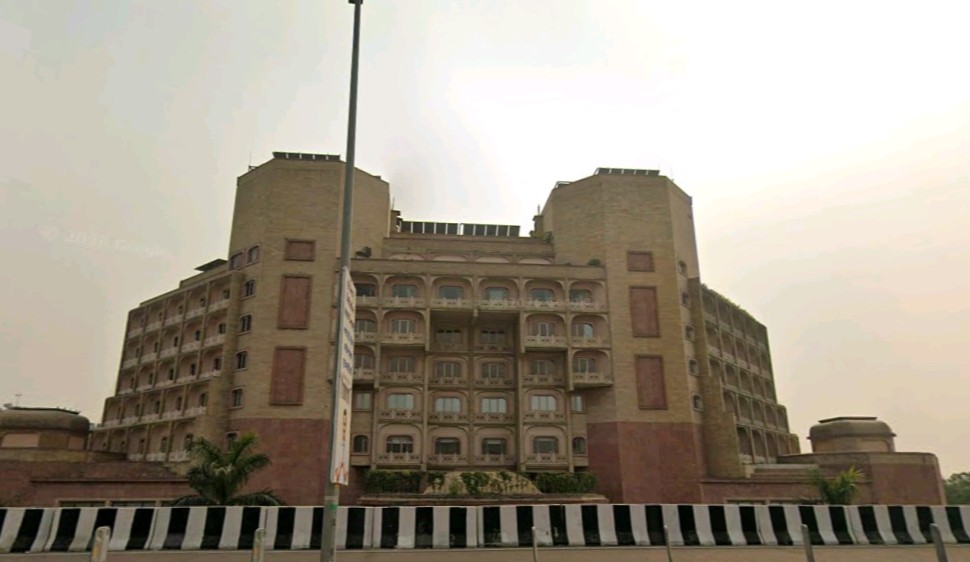
When any large-scale infrastructure project is discussed, the foremost concern for landowners and residents is 'Land Acquisition.' In this context, a specific and crucial point emerges: how might the Delhi-Amritsar rail corridor's planning affect areas like Dwarka Homes, and more importantly, how can it be kept 'safe'? According to our sources, claims have been made about how the alignment of this rail corridor is designed to protect Dwarka Homes. These indications suggest that modifications or new routes have been incorporated into the plan to shield it from previous encroachments. Analyzing what this 'safety' entails—whether it’s based on legal grounds or engineering route planning outcomes—is essential.
This is not just a statement; it could directly imply that the project design has taken such care that it not only complies with land laws but also preserves areas connected to residential colonies or vital structures. Therefore, citizens must demand the full 'Site Engineering Diagrams' (SEDs) for this project to prove that no arbitrary work is taking place.
Impact on Punjab's Districts and General Public
The impact of this corridor will not be limited merely to engineering; it will be a transformative event in the economic map of Punjab. For Amritsar, a hub of cultural and commercial significance, connecting with Delhi will generate immense attraction. This could unlock new sources of employment, providing substantial benefits to local traders and artisans. It is also a major infrastructural upgrade for agrarian Punjab as well, because the movement of resources will speed up. However, simultaneously, local small business owners and farmers might also be affected if compensation is not provided according to proper planning.
As an investigative journalist covering Punjab, I must say that we need to view this project from the perspective of the 'common citizen.' Will it lead to the demise of traditional local markets (Haats)? Or will it give them a chance to grow? It is crucial to ask whether development should benefit not just one class, but the entire populace.
Need for Government Statements and Administrative Action
Whenever such large-scale projects are announced, governments must issue clear and rule-bound statements. In this case, mentioning a specific area like 'Dwarka Homes' reflects the government's transparency. We need to see if the administration has merely made a 'claim,' or if an official notification has been issued that legally confirms this 'safety.' Administrative action cannot be limited to mere pronouncements; it must include personal hearings with landowners and confirmation of regulations.
Expert Opinion and Future Analysis
An urban planning expert would view this project as an 'Integrated Transport Landscape.' If this rail corridor succeeds, Punjab's economic momentum could accelerate significantly. Protecting areas like Dwarka Homes would be a reflection of a successful 'Social Impact Assessment.' Experts will emphasize how to strike a balance between development and public welfare. If this initiative is monitored correctly, it can serve as a model for future large-scale projects.
Essential Takeaways and Q&A for General Citizens
To understand this complex issue, general citizens need to take some crucial steps. The first and most important step is that whenever you hear about any major infrastructure project, demand the official Reference Number or Act citation. Rather than just commenting on words like 'safety,' it is more necessary to get its legal verification.
Your Question: Can I anticipate a large construction work in my area?
Answer: No, you can only demand the official 'Impact Zone Maps' issued by the government portal or the District Administration.
What You Should Do: Contact your local administration at your village or locality and request official information regarding the rail corridor alignment, especially where a name like Dwarka Homes is mentioned.

💬 ਪਾਠਕਾਂ ਦੀਆਂ ਟਿੱਪਣੀਆਂ / Reader Comments 0
ਆਪਣੇ ਵਿਚਾਰ ਸਾਂਝੇ ਕਰੋ। ਕੋਈ ਲੌਗਿਨ ਜ਼ਰੂਰੀ ਨਹੀਂ!
ਸਭ ਤੋਂ ਪਹਿਲਾਂ ਆਪਣੀ ਰਾਇ ਦਰਜ ਕਰੋ!
ਬੀ ਰਹਿਓ ਪਹਿਲੇ ਟਿੱਪਣੀਕਾਰ (Be the first to share your thoughts).