
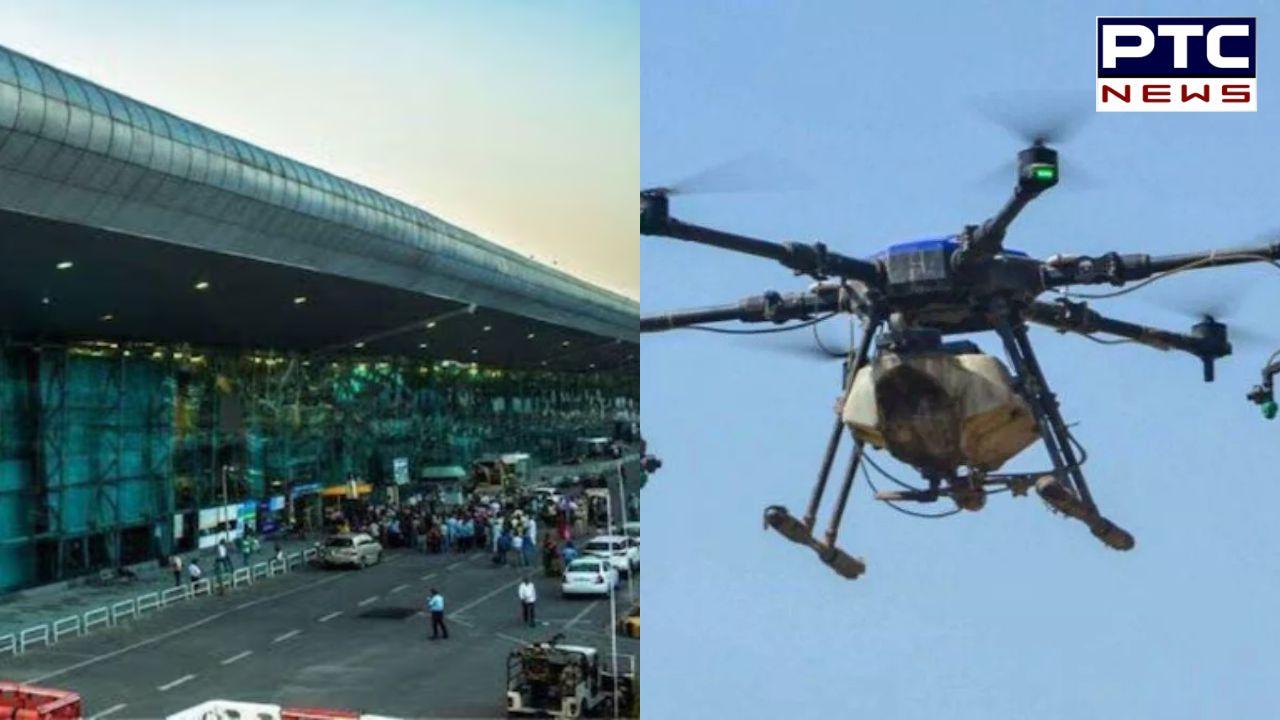
Drone Activity Near Amritsar Airport: A Security Crisis and Aviation Impact
(Analysis by My Healthy Punjab Senior Investigative Journalist)
Punjab, and particularly the city of Amritsar, is a vital transportation hub that not only connects people but also serves as a lifeline for trade and local economic activities. Recently, the detection of drone activity in the vicinity of this airport at night has triggered a major security concern. According to reports from PTC News, the incident was so severe that it necessitated the diversion or grounding of three flights. This is more than just a news report; it raises substantial questions regarding Amritsar's current aviation regulations and safety infrastructure.
Background and Core Causes of the Incident
The root cause of this incident is linked to the escalating use of drones in the airport's surrounding area. While modern technology has revolutionized fields like security and surveillance, it simultaneously increases the risk associated with irresponsible usage. Drone presence near Amritsar Airport at night is considered a major security threat. When any airport faces such an intrusion, the immediate response must be to halt operations and ensure the safety of life and property.
This event has highlighted the critical need for surveillance systems to be operational 24/7, especially when activities occur near urban and critical airports. This misuse of drones points towards potential weaknesses in existing security protocols, which demand a detailed study.
Ground Reality and Key Details
Information disseminated by PTC News confirms the detection of drones operating near Amritsar Airport. This situation had an immediate impact, demanding swift control measures. The most significant complication was that, due to the drone activity, three flights operating at the airport had to undergo safety checks and were subsequently diverted. This is not merely an administrative decision; it directly impacts public safety and halts commercial aviation flow.
From an investigative standpoint, this incident underscores the urgent necessity for a robust Drone Management Act in Punjab. Local authorities must treat preemptive action to neutralize this threat as their primary duty, thereby preventing future disruptions to air travel due to established restrictions.
Impact on Punjab's Districts and General Public
Amritsar Airport is not just a name for a city; it is part of Punjab’s economic artery. Such security threats directly affect travelers, traders, and the local economy. When flights are diverted or grounded, it results in time and financial losses for commuters. This also has an unseen impact on the flow of local transportation.
Furthermore, this incident cannot ignore any regional segment of Punjab because air safety is intrinsically linked to the progress of the entire state. For farmers who rely on travel for inter-district trade or sending their children for education, journeys can be abruptly halted due to security threats, eroding public confidence.
Government Statements and Administrative Action
Whenever such a security crisis arises, the governmental response must be immediate. In this case, diverting/grounding flights was a serious administrative action managed by the airport's management and security forces. It is imperative that the government handles this matter with utmost diligence, as it influences Punjab’s entire aviation policy, not just one locality.
We must anticipate that following this incident, both the State Government and Central Security Forces (for general public safety) will form a comprehensive inquiry committee. This committee will need to determine the source of the drones, their intentions, and establish new technological benchmarks for preventing such threats.
Expert Opinion and Future Analysis
Security experts suggest that this incident presents an opportunity for Punjab to raise awareness in the domain of 'Drone Security.' While drone technology is used today for surveillance, agriculture, and structural inspection, it becomes a major security risk when falling into unauthorized hands. In the future, there needs to be detailed consideration on how to legally declare this area a 'No-Fly Zone' and how to monitor it.
Technology experts argue that merely establishing physical boundaries is insufficient; there is a need for advanced tools like Electromagnetic Spectrum Scanning, which can locate the source of drones from a distance. This is a multi-dimensional problem requiring solutions not just through regulations, but also technological adaptation.
Key Takeaways and Q&A for Citizens
In this context, it is crucial for ordinary citizens to be aware of certain protocols. If you spot any suspicious or unidentified drone near Amritsar Airport or its vicinity, what should be the first step? The primary action must be to immediately and calmly inform local security forces (Police or airport security personnel). One must never attempt to handle a dangerous situation independently.
Question: Is flying drones in restricted areas illegal? Answer: Yes. Strict permits are mandatory for drone usage at all major airports and government security zones. Any activity without such permission can be legally considered a crime.
In conclusion, this incident is a significant challenge to Punjab's security network, demanding the strengthening of all connections—be they technological or administrative. Public awareness and continuous monitoring by the government remain the greatest assets.



💬 ਪਾਠਕਾਂ ਦੀਆਂ ਟਿੱਪਣੀਆਂ / Reader Comments 0
ਆਪਣੇ ਵਿਚਾਰ ਸਾਂਝੇ ਕਰੋ। ਕੋਈ ਲੌਗਿਨ ਜ਼ਰੂਰੀ ਨਹੀਂ!
ਸਭ ਤੋਂ ਪਹਿਲਾਂ ਆਪਣੀ ਰਾਇ ਦਰਜ ਕਰੋ!
ਬੀ ਰਹਿਓ ਪਹਿਲੇ ਟਿੱਪਣੀਕਾਰ (Be the first to share your thoughts).