
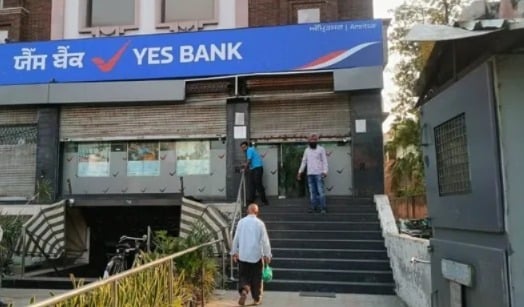
Amritsar: Economic Tension and Security Lapse – A Deep Dive Investigation
The incident that unfolded in Amritsar, Punjab's historic city, has once again brought to the forefront the critical issue of trust between citizens and financial institutions. What began as a dispute over money escalated alarmingly into violence. This is not merely a localized clash; it reflects a deeper societal and administrative lapse visible across our urban centers. As 'My Healthy Punjab,' our mandate goes beyond mere reporting; we must delve into the roots of this incident to analyze its comprehensive impact.
Background and Root Causes
According to government affidavits and local sources, the incident occurred at a bank branch where a bank manager was on duty. The entire affair revolved around a specific financial transaction. In situations where people must place their utmost trust in an institution for their finances, any friction can escalate into severe violent episodes.
Historically, economic disputes in Punjab's urban centers are never just about money; they are often linked to breaches of trust and protocol between individuals or groups. In this specific case, the core dispute was 'financial transactions,' suggesting that even in modern Punjab, where everything is moving digital, the depth of human interpersonal conflict remains significant. This isn't just a clash between a 'manager' and a 'customer'; it symbolizes the mounting economic pressure on contemporary Punjab.
Ground Reality and Key Details
The most consistent information from sources suggests that an disagreement arose between the bank manager and the customer, or another individual, concerning a financial transaction. This disagreement generated tension, causing the situation to spiral into a violent incident. Local administration needs to understand how such violence could erupt in the environment of a typical bank, which should be a place of calm.
From an investigative standpoint, it is clear that when disputes become financially charged, security becomes opaque. The police force must not only take legal action but also determine if there were systemic weaknesses in the bank's internal safety protocols for its patrons. Targeting a manager, even over a dispute, clearly indicates that Security Management in such hubs needs to be elevated to a higher level.
Impact on Punjab Districts and General Public
Such incidents are not confined to Amritsar; they shake the financial planning and public confidence across all of Punjab. This is particularly worrying for the farming community, which relies heavily on the banking system for a large portion of its finances. Can they accept that even the place of financial transactions can become dangerous? This could negatively affect local trade and economic activities, leading people to demand more reliable alternatives.
This isn't just limited to banking; it touches upon the self-assurance that Punjab's business class finds in its regional hubs. When violence erupts in such a place, it doesn't just affect the individual who was confronted; the entire community feels their dignity and security are at risk.
Government Statements and Administrative Action
Following such serious violent incidents, swift and clear action is expected from both the government and the police department. The administration must conduct an immediate and thorough inquiry into this matter. A review of the bank manager's security residency protocols is necessary. Are there adequate CCTV coverages and other technological safety measures in place in this area? Government statements should not be limited to 'arrests'; they must articulate what new steps are being taken to prevent such incidents.
We need a partnership—between the police, bank management, and the government. Merely issuing statements on social media is insufficient; a mechanism for Public Oversight must be established so that such events can be prevented in the future. This signals an administrative failure that requires serious attention.
Expert Opinion and Future Analysis
Security experts and social analysts suggest this incident is a major sign of 'Economic Mistrust.' When people feel their money is not being handled properly, they might be forced into violent actions, even if it's misguided. Furthermore, banks must prepare their staff and operational systems for the challenges of the next generation.
In the future, financial institutions must make 'Human Safety' their primary focus. This means paying more attention to the customer experience and their safety than to the nature of every transaction. Integrating technology is a potential solution to minimize human confrontation and ensure that comprehensive recording systems are operational.
Essential Takeaways and FAQ for Citizens
What should ordinary citizens learn from this incident? First, always ensure the presence of two or three people for any major financial transaction. Second, if you feel something is wrong at a location, immediately inform administrative authorities or the police, rather than trying to resolve the dispute yourself. Third, and most importantly—keeping photos or digital copies of your documents and related paperwork is a necessary 'security backup.'
Question: Are such incidents increasing? Answer: This is not just an isolated event; it is a confluence of economic dynamism and regulatory gaps. The government must bridge this 'Safety-Economy Gap.'


💬 ਪਾਠਕਾਂ ਦੀਆਂ ਟਿੱਪਣੀਆਂ / Reader Comments 0
ਆਪਣੇ ਵਿਚਾਰ ਸਾਂਝੇ ਕਰੋ। ਕੋਈ ਲੌਗਿਨ ਜ਼ਰੂਰੀ ਨਹੀਂ!
ਸਭ ਤੋਂ ਪਹਿਲਾਂ ਆਪਣੀ ਰਾਇ ਦਰਜ ਕਰੋ!
ਬੀ ਰਹਿਓ ਪਹਿਲੇ ਟਿੱਪਣੀਕਾਰ (Be the first to share your thoughts).