
A Comprehensive Ayurvedic Wellness Guide for a Healthy Patiala: A Confluence of Tradition and Science
Punjab, particularly historically and culturally significant regions like Patiala, is renowned for its deep-rooted traditional lifestyles. However, in today's rapidly changing environment, maintaining physical and mental well-being has become a challenge. 'My Healthy Punjab' ensures you receive not only insights from modern science but also knowledge of centuries-old, authentic healing remedies from the Punjabi heritage. This guide is more than just a recipe; it is a comprehensive roadmap to your health, covering every aspect—from diet and lifestyle modifications to specific home remedies for ailments.
The Historical Roots of Punjabi Wellness and Remedies

Punjabi healthcare has always been intrinsically linked to the land. Our elders learned to live in harmony with nature's bounty. This was a time when medicine stores were distant, and healing sources were found in gardening, agriculture, and local herbs. This traditional knowledge is deeply intertwined with Ayurvedic principles, which view the human body as a balanced system. In regional centers like Patiala, this wisdom remained accessible—where every vegetable, river water source, and herb held curative potential.
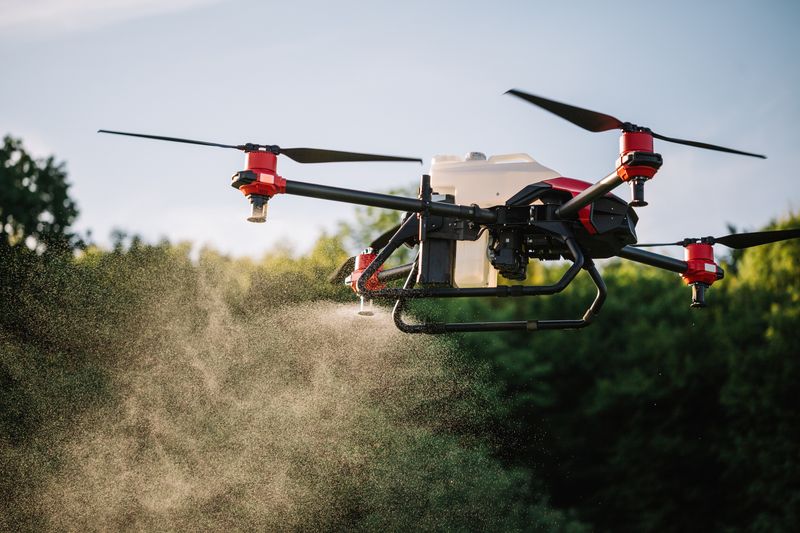
Furthermore, understanding modern preventive measures, such as pesticide spraying via drones in Patiala, is crucial. Historically, people believed that health wasn't just about treatment; it was fundamentally about prevention. These traditional remedies perfectly complement this principle of 'prevention'.
Essential Ingredients and Proper Proportion (Example of a Composite Remedy)
Here, we present a comprehensive 'Immunity Booster' remedy designed to enhance the body's natural resistance, especially during winter. Precise measurement is vital so that no nutrient level is deficient or excessive.
- Turmeric (Haldi): 1 Teaspoon – For its potent anti-inflammatory properties.
- Ginger (Adrak): 2 Teaspoons, chopped – Beneficial for all respiratory ailments and colds.
- Fenugreek Leaves (Kadi Patte): 1 Large Handful – As a source of Glacyic Acid.
- Corn Flour (Makki ka Atta): 2 Tablespoons – For essential dietary fiber.
- Water: 3 Cups.
Step-by-Step Preparation Method
Preparing this remedy is almost like a ritual, where every step should be imbued with the intention of healing. Its nature will be that of a 'Decoction,' which helps retain nutrients better.
- First Step: Take 3 cups of water in a large pot and add the pieces of ginger and turmeric. Place it on medium heat to boil.
- Second Step: Once the water starts boiling, add the fenugreek leaves and turmeric. Cover and let it simmer for 10-12 minutes, or until the water level reduces by almost half.
- Third Step: Finally, turn off the heat with the hot liquid and gently sift in the corn flour (by lightly blowing on it first). This will create a thick paste consistency.
- Fourth Step: Stir well and serve warm. Its aroma and scent should permeate the body.
Optimal Timing for Consumption and Diet Tips
This prepared decoction is best consumed at least 1 hour before any meal. It soothes your stomach and allows the nutrients time to get absorbed into the body.
- Timing: Drinking it 45 minutes before breakfast is highly beneficial, as it gives a gentle start to your digestive enzymes.
- Dosage: Consuming 1.5 cups at once is sufficient; if you feel excessive heat, it can be split into two doses.
- Seasonal Advice: This remedy should be taken daily during the winter months (November to February), especially when outdoor activity levels are high. Drinking it warm is best for health.
Health Benefits and Ayurvedic/Scientific Basis
This remedy is not just a 'mix'; it is a scientific blend of natural elements. Its benefits are multi-layered:
Ayurvedic Perspective (Tridosha Balance):
- Vata Pacifying: Ginger and turmeric increase body warmth, balancing 'Vata,' which tends to increase with dryness or stress.
- Pitta Balancing: This remedy cools the digestive system, controlling 'Pitta,' which increases due to excessive heat or acidity.
- Kapha Balancing: The fresh leaves present help cleanse the body's sluggish components, preventing the accumulation of 'Kapha.'
Scientific Analysis (Active Compounds):
- Curcumin (Turmeric): It is a powerful anti-inflammatory and antioxidant. It reduces systemic inflammation, which is the root cause of many winter ailments.
- Gingerols (Ginger): Helps expel gas and accelerates digestion, maintaining overall bodily vitality.
- Moringa/Fenugreek (Kadi Patte): These are excellent sources of vitamins and minerals that help stabilize blood sugar levels.



💬 ਪਾਠਕਾਂ ਦੀਆਂ ਟਿੱਪਣੀਆਂ / Reader Comments 0
ਆਪਣੇ ਵਿਚਾਰ ਸਾਂਝੇ ਕਰੋ। ਕੋਈ ਲੌਗਿਨ ਜ਼ਰੂਰੀ ਨਹੀਂ!
ਸਭ ਤੋਂ ਪਹਿਲਾਂ ਆਪਣੀ ਰਾਇ ਦਰਜ ਕਰੋ!
ਬੀ ਰਹਿਓ ਪਹਿਲੇ ਟਿੱਪਣੀਕਾਰ (Be the first to share your thoughts).