
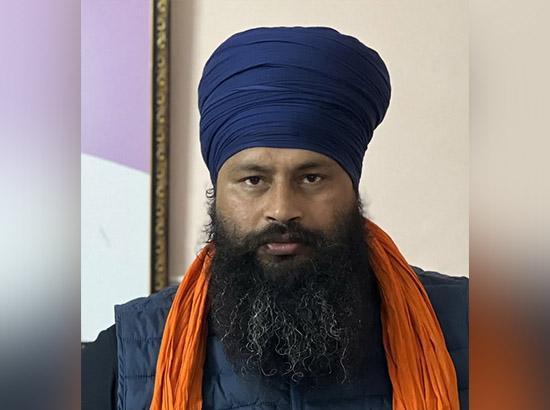
Parvinder Jhota Murder Case: Action Committee Demands Curfew and CBI Probe
A wave of serious concern has swept across Punjab regarding the state's security and justice system. A collective body known as the 'Action Committee,' comprising local journalists and social activists, has put forth a major demand: an immediate imposition of curfew across Punjab and a deep investigation into the Parvinder Jhota death case by the Central Bureau of Investigation (CBI). This issue transcends a single incident; it has become a broader matter concerning administrative justice and public faith in the state.
Background and Core Issues
The root of this entire discourse lies in the Parvinder Jhota death case, an event that has created significant tension on Punjab's social and security fronts. The Action Committee’s demand suggests a profound lack of confidence in the current local investigation processes, calling instead for a more robust and impartial mechanism to reach the core truth. Historically, law and order issues have been volatile in certain pockets of the state, and this case is exacerbating that backdrop.
The emergence of the Action Committee's voice is not just about one individual’s death; it emphasizes the urgent need for the rule of law to be firmly established across Punjab, where no ambiguity or negligence can be tolerated. Their organized demand signals a significant erosion of public trust in the administration, pushing them toward demanding central-level scrutiny.
Ground Reality and Key Details
The most crucial aspect of the investigation is that the Action Committee has specifically targeted the Parvinder Jhota murder case for a CBI probe. This information surfaced via an online platform (Babushahi.com), which outlined two main demands from the committee: first, the death case of Parvinder Jhota, and second, the demand for immediate imposition of Punjab curfew across the state. These two demands are intrinsically linked, as the committee believes that local administration cannot conduct a neutral investigation, necessitating central intervention.
Such demands typically arise when people feel they will not receive proper justice in a major incident. Given the gravity and sensitive aspects surrounding Parvinder Jhota's case, public sentiment has hardened with the belief that something beyond routine local police inquiry is required. Mentioning the CBI highlights the kind of supreme and impartial oversight the committee is demanding—one that can bring the case into the open light.
Impact on Punjab Districts and General Public
At a larger scale, these demands from the Action Committee are creating ripples of anxiety across various parts of Punjab. The public takes any lapse in security or justice systems very seriously. When such cases emerge, they cease to be merely a district-level issue; they become an issue of faith for all citizens of the state. Especially where social and economic tensions already exist, such a demand presents a major challenge to the prevailing security situation.
For farmers and common people, this matter serves as a reminder that the sense of justice is the greatest shield. If they feel that a case is not being handled properly, their trust in the administration diminishes. Therefore, the call for a curfew generates a feeling among local residents—a mix of grievance and demand for rights. This can be viewed not just as mourning an individual's death, but as a manifestation of deep frustration caused by perceived administrative oversight or negligence.
Government Statements and Administrative Action
In this regard, no comprehensive or explicit official statement has been issued by government stakeholders that outright rejects all the demands made by the Action Committee. While the administration usually tries to maintain calm in such cases, such large-scale organized pressure complicates the situation. The state government always emphasizes restoring law and order, but the demand for a potential "Punjab Curfew" highlights the need for a broader societal and political response.
It can be observed that when a CBI investigation is demanded, it places significant pressure on local administration, as their methods of operation are questioned. In such scenarios, governments usually announce further measures at the ground level to quell unrest, even if they cannot directly fulfill the demand for a CBI probe. It becomes imperative for the administration to provide a balanced and concrete response to the public's demands.
Expert Opinion and Future Analysis
Legal experts suggest that demanding a CBI inquiry in any case usually happens when local police are perceived as lacking necessary resources, impartiality, or pressure mitigation mechanisms. The Parvinder Jhota matter highlights such a common scenario where political influences and social dynamics can affect legal procedures. In a region like Punjab, with its historically complex security environment, such demands should be viewed as a large-scale social dialogue.
Future analysis suggests that if the administration continues to ignore such local demands, it will create an even wider gap in public trust. The organized nature of the Action Committee proves that citizens are ready to raise their voices for their rights. For restoring stability and confidence, the administration needs not only legal action but also improvements in communication channels so that information reaches the people accurately and their grievances can be addressed.
Key Takeaways and Q&A for General Citizens
In this tense atmosphere, general citizens should keep a few points in mind. The first is that instead of accepting any local investigation's narrative as 'the truth,' one must always gather information from organized and diverse sources. The second point is that no news regarding security should be dismissed as mere 'rumor,' especially when it is being raised by large organizations.
Q: Is imposing a curfew an immediate solution? A: According to experts, it can be a temporary administrative measure necessary to manage the situation, but it is not merely a band-aid; it is part of a crisis management process linked to civil liberties and existing legal rights.
Q: What precautions should we take in our area? A: It is essential to maintain distance from any suspicious person or activity. If any unidentifiable tension arises, immediately inform local administration (Police/Local Authority). Raising a voice for justice is right, but it must be done through legal and peaceful means to avoid misunderstandings.

💬 ਪਾਠਕਾਂ ਦੀਆਂ ਟਿੱਪਣੀਆਂ / Reader Comments 0
ਆਪਣੇ ਵਿਚਾਰ ਸਾਂਝੇ ਕਰੋ। ਕੋਈ ਲੌਗਿਨ ਜ਼ਰੂਰੀ ਨਹੀਂ!
ਸਭ ਤੋਂ ਪਹਿਲਾਂ ਆਪਣੀ ਰਾਇ ਦਰਜ ਕਰੋ!
ਬੀ ਰਹਿਓ ਪਹਿਲੇ ਟਿੱਪਣੀਕਾਰ (Be the first to share your thoughts).