
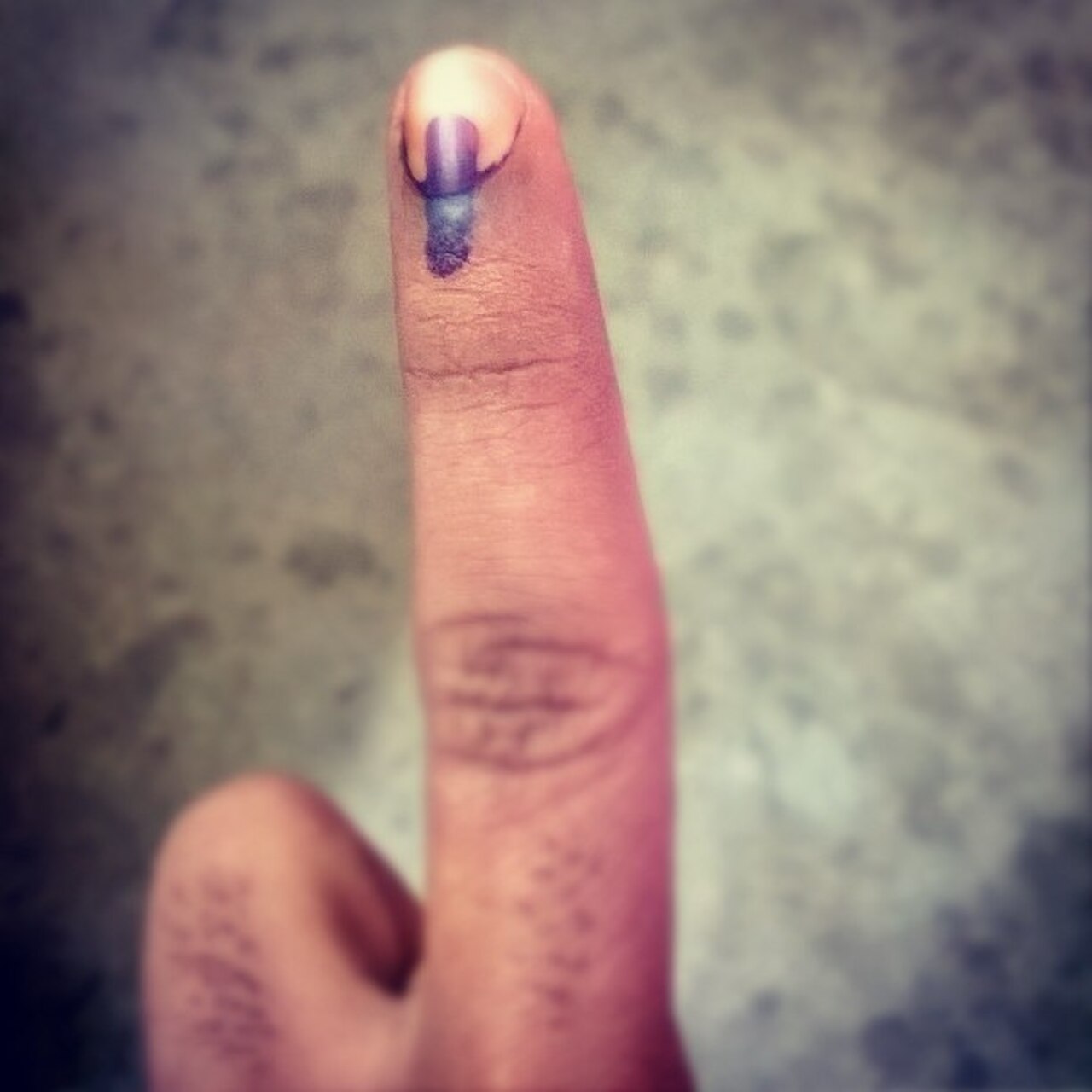
Major Review of Mohali Voter Rolls: Implications of SIR Exercise and Citizen Preparedness
A major administrative development has emerged concerning the voter list in Mohali (SAS Nagar), Punjab's rapidly developing urban hub. According to reports from various media and government sources, a substantial reduction has been observed in the area's voter rolls following the completion of the 'SIR' (Special Intensive Revision) exercise. This figure is reportedly exceeding one lakh names, which has generated considerable discussion among the general public regarding the region's political and administrative landscape. As local journalists at 'My Healthy Punjab,' we are prepared to conduct an in-depth investigation to provide accurate information to our readers.
Background of the Event and Core Reasons
Maintaining voter rolls is the backbone of any democratic system. Over time, as urbanization accelerates and population density increases, it becomes crucial to update these records regularly. In this context, governments periodically conduct special phases like the Special Intensive Revision (SIR). The data emerging from Mohali after this exercise suggests a significant administrative overhaul rather than just a routine survey.
The primary reason behind this reduction is the necessity of modernizing voter records. This process aims to remove entries for deceased individuals, those who have changed their addresses, or citizens who have migrated out of their registered locality. However, the removal of over one lakh names naturally raises questions among the general public: was there any irregularity, or was this action taken with vested interests? Our study attempts to examine every facet of this procedure.
Ground Reality and Key Details: Why is the One Lakh Figure Concerning?
Reports from prominent sources like The Times of India clarify that a reduction of over one lakh names in the Mohali voter list is a significant statistic. Administratively, such reductions are usually linked to two main categories: firstly, individuals who have been listed for a long time but no longer reside in the area (often termed 'Ghost Voters'); and secondly, completely integrating records of new residents into the system.
This large-scale reduction does not imply that all voters are absent; rather, it signifies that government audits have cleaned out old, corrupted, or duplicate records. However, when the scale of this purge is so massive, local political tension arises—are necessary voter names being removed by mistake? The authorities must prove that this reduction was entirely technical and beneficial to the public, and not a politically motivated maneuver.
Impact on Punjab's Districts and General Public
As a major urban center, Mohali significantly influences Punjab’s economy. Its residents are not just voters; it is also an agricultural and industrial hub. If such a large-scale reduction occurs, the immediate concern for the public is whether their polling stations have changed or if their names are still correctly recorded.
For segments connected to agriculture and education, it is vital to immediately check the status of their voter cards. This concerns not only their rights but also access to government schemes and benefits. The general public must understand that maintaining an accurate voter list is the guarantee of their rights, and no citizen should be left behind by this process.
Government Statements and Administrative Action
In light of this controversy, knowing what statements have been issued by the District Administration and the Election Commission is crucial. Typically, after such large-scale revisions, local administration emphasizes that every aspect of the reduction has been done with utmost care. They may have also announced that any citizen who doubts their status can visit the designated local official immediately to verify their name. The primary goal of administrative action here is maintaining 'Data Integrity' so that no future misunderstanding can occur.
Expert Opinion and Future Analysis
Political analysts view this incident as a 'message.' The message is that as times change, the living conditions of people also change. Therefore, continuously updating government records is not just an administrative necessity but also a democratic responsibility. Experts suggest that in the future, voter roll maintenance will need to be strengthened with national identifiers like 'Aadhaar' to better link voters to their identities, thereby minimizing disputes over such large datasets.
Crucial Takeaways and Q&A for General Citizens
The lesson from this entire matter is that one should not panic upon seeing any large statistic, but rather understand the process behind it. For ordinary citizens, three things are essential to remember: First, check your voter card and residential address status. Second, if you live outside the area but wish to retain your rights, understand the new procedures. Third, when observing any major change, always seek information first from official government sources and credible media.

💬 ਪਾਠਕਾਂ ਦੀਆਂ ਟਿੱਪਣੀਆਂ / Reader Comments 0
ਆਪਣੇ ਵਿਚਾਰ ਸਾਂਝੇ ਕਰੋ। ਕੋਈ ਲੌਗਿਨ ਜ਼ਰੂਰੀ ਨਹੀਂ!
ਸਭ ਤੋਂ ਪਹਿਲਾਂ ਆਪਣੀ ਰਾਇ ਦਰਜ ਕਰੋ!
ਬੀ ਰਹਿਓ ਪਹਿਲੇ ਟਿੱਪਣੀਕਾਰ (Be the first to share your thoughts).