Background and Core Causes
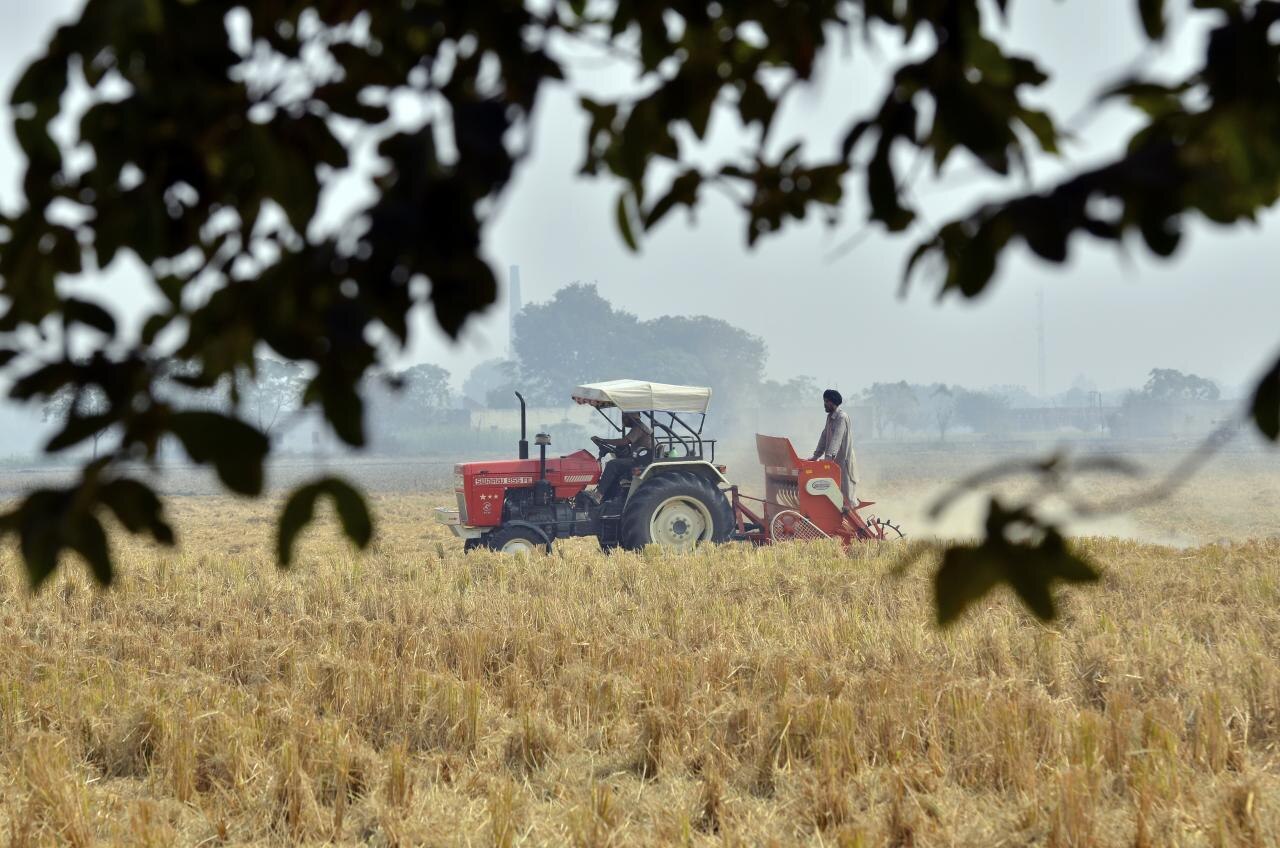
Punjab, renowned as a powerhouse of fertile land and agriculture, is currently grappling with extreme weather conditions. In this region that sustains states like Assam, recent climatic shifts have completely disrupted the rhythm of rural life. Specifically, paddy crops, which were at their peak harvest time, are now confronting sudden, intense downpours.
Reports indicate that several parts of the state are experiencing an abnormal monsoon pattern. This is not mere rainfall; it is a torrential deluge affecting even established canal management systems. Due to the direct impact on agricultural operations, both the government and local administrations have issued immediate cautionary advisories.
This situation presents a major crisis for the farming community. When paddy is at its optimal harvesting stage, such weather conditions halt the entire agricultural market and directly affect farmers' incomes. Therefore, an in-depth study of the situation is vital to quantify potential losses and enable timely governmental interventions.
Ground Reality and Key Details
Based on local news reports and meteorological data, it is clear that the impact of the rain across Punjab is not uniform or centralized; rather, it varies significantly across different regions. The primary concern revolves around the paddy crop, whose harvest timing is not only economically crucial but also considered the backbone of Punjab's agricultural year.
A key indicator of this crisis is the issuance of 'Red Alerts' in seven districts across the state. This signals that the weather situation is extremely serious and requires caution for general public life as well. A 'Red Alert' signifies more than just rain; it points to the necessity for comprehensive administrative preparedness—be it concerning flood risks or disruptions to farming activities.
From an agricultural standpoint, the heavy rainfall has drastically increased soil moisture levels. Areas where wheat or paddy were ready for harvest are now subjected to this excess water. This not only heightens the risk of crop lodging but can also create deep uncertainty at the root level. For farmers, this poses a long-term threat to their primary source of income.
Impact on Punjab's Districts and General Public
Different parts of the state are already under weather stress, which this heavy rain is amplifying. The direct impact is being felt in farmers' incomes and local markets. During the paddy harvesting period, when grading and marketing should be proceeding according to government norms, the rain has stalled all arrangements. This places both the finances and time of the farmers at risk.
Consequently, the routine life of the general populace is also affected. Not only are outdoor activities disrupted, but there is also a potential rise in health risks and disease outbreaks due to changes in groundwater levels. The very term 'Red Alert' across seven districts underscores this gravity, requiring administration to be vigilant at every turn.
For agri-traders and mandis workers, this represents a significant economic disruption. They are facing difficulties in transporting their equipment to the fields, as road damage and increased water flow have complicated transportation networks. Thus, farmers cannot afford to take risks based on weather forecasts alone.
Government Statements and Administrative Action
Whenever such a climatic event occurs, the government emphasizes control and safety measures. Issuing 'Red Alerts' in seven districts proves that the administration has maintained surveillance at every level. This is not limited only to agriculture but also signals a major concern for public safety and maintaining essential services.
At the governmental level, it must be acknowledged that estimating agricultural losses is difficult, but immediate steps are needed from the administration to mitigate damage. This includes securing farm machinery and preparing relief packages to better manage resources for farmers. This is crucial not only for the general public's safety but also for sustaining the internal financial structure of the agri-market.
Expert Opinion and Future Analysis
Agricultural experts suggest that this situation presents a major 'Challenge' to Punjab's agricultural system. If such weather shocks become frequent, farmers' confidence is bound to decline. Experts advise that the government must not only focus on immediate relief but also take steps to diversify farming patterns.
This analysis reveals that relying solely on paddy can be precarious. The expert suggestion is that Punjab should pivot towards more drought-resistant and rain-tolerant crops, which will not only diversify income streams but also mitigate weather risks. A coordinated and rapid survey is needed to estimate the damage in the paddy harvest so that appropriate packages can be provided to the farmers.
Essential Takeaways for Citizens & Q&A
In light of this crisis, general citizens and farming families must keep a few things in mind. The first question is: Should harvested crops be sold immediately at the market? The answer is that fluctuating weather conditions mean uncertain market prices; therefore, farmers should follow the latest guidelines from the local Agriculture Department.
Another crucial point is that the 'Red Alert' is not just for farming but also for general public safety. People must adhere to government directives and maintain preparedness measures against damage to essential utilities like electricity and water. The government needs to listen to the voice of the farmers in this instance and approach with a comprehensive, long-term economic plan to sustain the agricultural system for the coming year.