Agricultural Crisis in Punjab and Haryana: Unseasonal Rains Burden Mature Crops
This report by My Healthy Punjab is compiled based on direct sources and ground-level observations. Both Punjab and Haryana, economies fundamentally rooted in agriculture, are facing substantial losses due to excessive and unseasonal rainfall caused by erratic weather patterns. This issue transcends mere agricultural concern; it questions the economic stability of Punjab itself.
Background and Primary Causes of the Crisis
The region covering Punjab and Haryana is widely known for its 'granaries of India.' Farmers invest their sweat throughout the year, with a primary focus on standing crops ready for market. However, recent weather patterns have disrupted established agricultural norms.
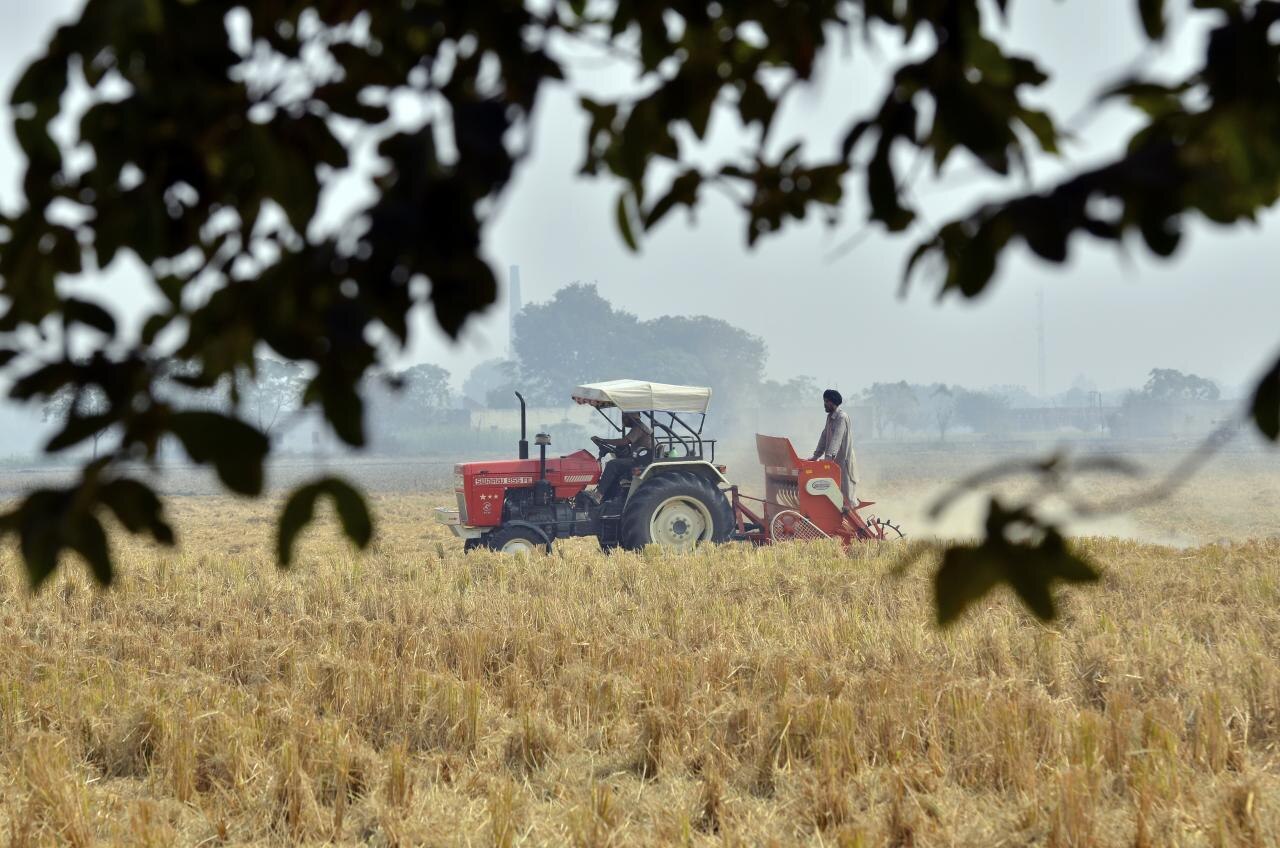
At a time when the farming cycle was at its most critical phase—encompassing crop maturation and readiness for harvest—sudden weather shifts caused severe damage. This unseasonal downpour has directly impacted mature crops (such as wheat or other Rabi varieties) by keeping them waterlogged, compromising their weight and delicate structural integrity. The effect is a direct hit to the income of the farming community.
Ground Reality and Key Details
According to local sources, the rain has brought more than just moisture; it has exposed the vulnerability of the entire agricultural system. While crops are at their final stages, the increased soil moisture level is weakening their structure.
Agricultural experts suggest that this situation points to an imbalance between necessary drying periods and excessive water retention. This not only wets the crop but also degrades the characteristic aroma of wheat and its market readiness. The situation is causing deep distress among farmers who feel their hard work is jeopardized as getting the produce to market becomes difficult.
Impact on Districts of Punjab and General Public
The most profound impact of this rainfall is being felt in key agricultural hubs of Punjab, such as the Pabbi and Ropar regions. Farmers are worried not only about immediate income loss but also about the future security of their entire families.
The situation for farming families—the backbone of daily wage earners—has become critical. This damage is viewed not as a one-off incident, but as something affecting a large segment of the regional economy. When crops get waterlogged, the entire process of harvesting and storage changes, potentially leading to added costs.
Government Statements and Administrative Action
There is currently an atmosphere of dissatisfaction among farmers due to the lack of comprehensive or immediate intervention from the government. People are demanding that the relevant departments take swift action for damage assessment and agricultural aid.
At the administrative level, efforts are being made to pacify the farmers by advising them to monitor the situation and remain prepared for the next steps. However, while the government is issuing reassuring statements, the reality on the ground appears far more severe. Farmers require a comprehensive survey and immediate assistance across the entire affected area.
Expert Opinion and Future Analysis
Agricultural economists view this event as a serious annual challenge. They argue that focusing only on the rain is incomplete; rather, it highlights an imbalance in the regional water cycle itself.
For the future, experts advise farmers to pay greater attention to modern techniques like water management and drip irrigation so they can withstand unpredictable weather changes. These are not just suggestions for loss mitigation but broader recommendations for making agriculture more sustainable.
Key Takeaways and Q&A for General Citizens
In light of this crisis, the general public must understand that the agricultural system is an interconnected web, and supporting the farmers is a collective responsibility.
How to help financially? It is crucial to provide resources like electricity needed immediately to dry damaged crops. Before fully trusting any government announcement, information must be gathered from multiple sources.
Farmers are advised to get their crop damage assessed and contact the Farmers' Commission immediately to avail of governmental assistance. This situation compels us once again to deeply reconsider the issue of agriculture.