Background and Core Causes of the Crisis
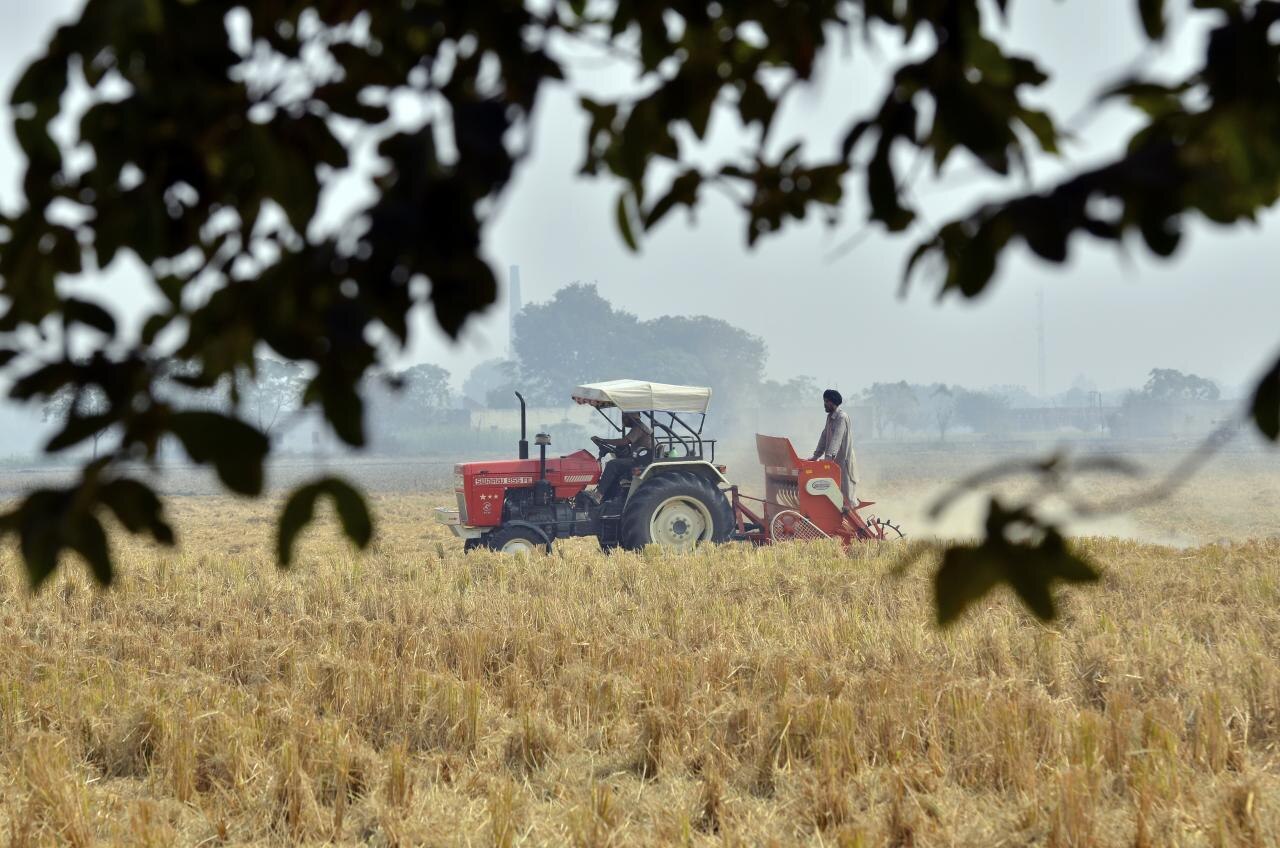
Punjab, widely regarded as the agricultural heartland of India, has recently been hit by heavy rainfall. This climatic shift is not merely a natural disaster but presents a significant challenge to the state's agrarian economy. According to our investigations, several parts of Punjab have experienced uncontrolled runoff from the monsoon rains, resulting in widespread waterlogging across grain markets and fields. This has created considerable distress among farmers who are anxious about both the commercial value and the procurement process for their hard-earned harvest.
This situation is particularly acute due to the sheer volume of water, a fact corroborated by sources like Guru Ravi Singh, confirming that significant portions of the standing crops are submerged. Such incidents in the agricultural sector invariably affect both the ethical and commercial dimensions of the mandi system. While maintaining stability in market operations is crucial, the current circumstances are severely testing this very equilibrium.
Ground Reality and Key Details
Facts gathered from our investigative sources, including reporting from PTC News, reveal that Punjab's grain markets are facing near-flood conditions. This is not just a seasonal event; it is exerting deep pressure on the regional trade flow. Crops, especially paddy (rice), appear submerged due to water levels, presenting a dual crisis for farmers.
The most pressing concern revolves around the procurement process itself. When crops are flooded in the mandis, questions arise regarding standard grading norms and quality benchmarks. Farmers fear that this water damage might devalue their yield or cause disruptions in government purchase mechanisms. In such an environment, it is natural for farmers' morale and economic confidence to falter.
Impact on Punjab's Districts and General Public
The repercussions of this situation are being felt across every corner of Punjab’s agricultural economy. The farmer, who is the backbone of this region, is directly impacted. For them, this is not just a loss of yield but a question mark hanging over their income for the coming months. When markets become waterlogged, commercial activities slow down, affecting not only farmers but also every stakeholder connected to the mandi—including laborers, traders, and procurement staff.
Furthermore, the incident has taken a political dimension. Opposition parties are continuously targeting the Aam Aadmi Party (AAP) government, citing administrative weaknesses in agriculture and poor monsoon management as key vulnerabilities. This demonstrates that the agrarian crisis has become directly linked to the political narrative, demanding immediate and transparent action from the government.
Government Statements and Administrative Action
In light of this severe weather emergency, there is an anticipation for a comprehensive and strong official statement from the government. Since this is a cascading environmental crisis, the administration must take immediate action through the district mandi boards and relevant departments. To alleviate farmer anxieties, the government must ensure that procurement mechanisms remain uninterrupted and that farmers' trust is restored.
Administratively, forming specialized Water Management Committees and conducting on-site assessments of markets are necessary to mitigate this potential crisis. Until clear directives are issued, farmers are advised to stay connected with their local agricultural departments and district administration for the latest updates. This coordination alone can prevent confusion during this time.
Expert Opinion and Future Analysis
Agricultural economists do not attribute this situation merely to seasonal rainfall; they view it as a major indicator of Punjab's agricultural planning and trade policies. Experts suggest that long-term planning is necessary to prevent such occurrences in the future. Focus cannot remain solely on cultivation; market dynamics, profit margins, and overall market flow must also be considered.
A balanced analysis suggests that the government must focus not only on immediate relief measures but also on improving agricultural education and seed management practices. This will ensure farmers' economic resilience when faced with such climatic shocks. Until these systemic improvements are made, the mandi system will continue to face volatile waves capable of damaging farmer sentiment.
Essential Takeaways for Citizens & FAQ
In this complex time, citizens and farmers must keep a few things in mind. The first and most crucial point is that verification from official government statements is necessary before trusting any information. In the rush of news cycles, sensational and false reports can spread, damaging farmer morale.
Key Question: Has our crop suffered any loss due to this waterlogging? Answer: For any confirmation of damage, it is best to consult local agricultural experts or the district administration. Key Question: Is the government arranging any compensation? Answer: One must wait for official announcements and established guidelines on this matter. Farmers should keep their land title deeds and the most recent crop documentation ready to avoid any hindrance during assessment procedures.
ਪੰਜਾਬ ਭਰ ਦੇ ਲੱਖਾਂ ਪਾਠਕਾਂ ਤੱਕ ਆਪਣੇ ਕਾਰੋਬਾਰ, ਉਤਪਾਦ ਜਾਂ ਕਲੀਨਿਕ ਦਾ ਇਸ਼ਤਿਹਾਰ ਪਹੁੰਚਾਓ।
ਇਸ਼ਤਿਹਾਰ ਬੁੱਕ ਕਰੋ »Sources & Verification:
- ▪ PTC News: ਰਿਪੋਰਟ ਆਧਾਰ: PTC News ↗
🎥 ਸੰਬੰਧਿਤ ਵੀਡੀਓ ਰਿਪੋਰਟ (Related Video)
Related Stories